
The launch of Boto Mo Bangsamoro! by Climate Conflict Action Asia (CCAA) represents far more than the introduction of another election monitoring initiative. It is a recognition that the 2026 Bangsamoro Parliamentary Elections—and the Barangay and Sangguniang Kabataan (BSK) Elections that will follow—will unfold during one of the most politically consequential and security-sensitive periods in the history of the Bangsamoro Autonomous Region in Muslim Mindanao (BARMM).
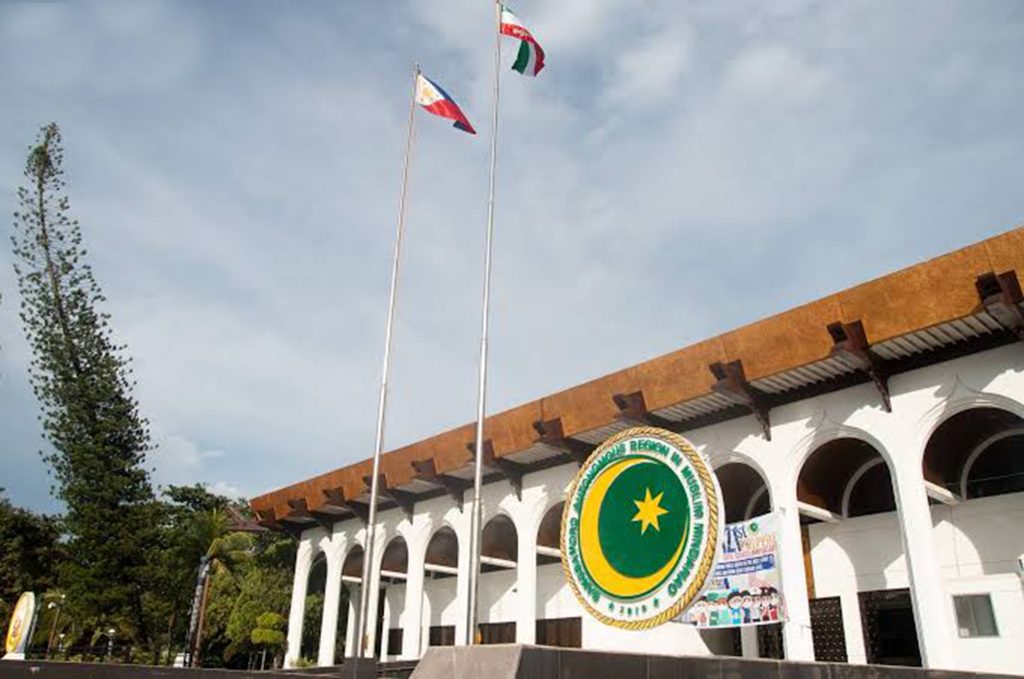
Rather than serving merely as a platform for documenting election-related incidents, Boto Mo Bangsamoro! seeks to close critical information gaps through real-time conflict monitoring, contextual analysis, and verified reporting from communities across the Bangsamoro. Built upon CCAA’s established Critical Events Monitoring System (CEMS) and its Early Response Network (ERN), the initiative is designed to provide policymakers, election administrators, security forces, media organizations, and civil society with timely and reliable information that can help prevent violence before it escalates.
Unlike ordinary election monitoring efforts, the initiative recognizes that the 2026 elections are taking place amid the convergence of multiple conflict drivers. Longstanding political rivalries, unresolved clan feuds, internal divisions within former revolutionary groups, continuing extremist threats, the incomplete decommissioning of firearms, and the onset of the flooding season all intersect during a period of heightened political competition. CCAA’s assessment does not argue that widespread election violence is inevitable. Instead, it warns that the conditions capable of producing violence are becoming increasingly pronounced, making early intervention and coordinated preventive action more critical than ever.
A Historic Election with Extraordinary Stakes
The September 2026 Bangsamoro Parliamentary Election is widely regarded as one of the most important political milestones since the establishment of the Bangsamoro Autonomous Region. For the first time, voters across the region will directly elect members of Parliament who will determine the future direction of Bangsamoro governance instead of relying on appointments under the transitional government. More than simply choosing public officials, the election represents a defining test of the parliamentary system established under the Bangsamoro Organic Law and a significant step in implementing the peace agreement between the Philippine Government and the Moro Islamic Liberation Front (MILF).
The elections carry immense symbolic and political weight because they will determine whether democratic institutions can successfully replace decades of armed struggle as the principal avenue for political participation. Public expectations are particularly high after the elections were postponed four times since 2022. President Ferdinand Marcos Jr.’s declaration during his recent State of the Nation Address expressing confidence that the elections would proceed peacefully and credibly has reinforced optimism throughout the region. Nevertheless, the importance of these elections also means that political competition is expected to be more intense than in previous electoral exercises, increasing the potential consequences of any security incident or electoral controversy.
Violence Declines, But Risks Rise
One of the report’s most important analytical findings is that declining levels of overall violence do not necessarily indicate a safer electoral environment. According to CCAA’s Critical Events Monitoring System, 611 violent incidents resulting in 235 deaths were recorded across Muslim Mindanao from January to July 2026. Monthly incident totals declined from 110 cases in April to 68 in July, suggesting an apparent improvement in the overall security situation.
However, CCAA emphasizes that these statistics should not be interpreted as evidence that election-related risks are subsiding. The higher number of violent incidents recorded during the first four months of the year was largely driven by military operations against violent extremist organizations. Beginning in May, the nature of violence shifted considerably. Instead of counterterrorism encounters dominating conflict trends, incidents increasingly involved local government officials, barangay leaders, rival political camps, and competing clans. This transformation indicates that while the total number of incidents may have decreased, the proportion of politically significant violence has grown as the election season progresses.
The organization therefore cautions against relying solely on aggregate incident counts when assessing election security. A lower number of incidents may conceal a more dangerous pattern in which violence becomes increasingly connected to political competition, making individual attacks capable of triggering wider cycles of retaliation and instability.
The Dangerous Convergence of Two Election Seasons
CCAA identifies the convergence of the Bangsamoro Parliamentary Elections and the Barangay and Sangguniang Kabataan Elections as one of the most significant factors elevating security risks during 2026. While each election individually carries inherent risks, conducting two major electoral exercises within the same political season creates overlapping contests that simultaneously mobilize candidates, political organizations, local power brokers, and clan networks across multiple levels of government.
Historically, barangay elections in Muslim Mindanao have frequently produced higher levels of violence than national elections because local contests are often deeply personal and shaped by kinship ties, longstanding family rivalries, and disputes over community leadership. Parliamentary elections, meanwhile, involve broader regional political alignments and competition among emerging political parties. The simultaneous preparation for both electoral exercises significantly increases political activity throughout the Bangsamoro, creating conditions where localized disputes may become intertwined with regional political competition.
CCAA notes that these elections also follow two of the deadliest electoral cycles experienced in the Bangsamoro in recent years. Although current incident levels remain lower than those observed during previous election periods, the organization warns that the convergence of these political exercises substantially raises the possibility that localized conflicts could escalate into broader election-related violence if not effectively managed.
Election Violence is Already Emerging
The report indicates that warning signs have already become visible even before the official campaign period gains momentum. Since the filing of Certificates of Candidacy began in May 2026, CCAA has documented 229 violent incidents resulting in 85 deaths. Many of these incidents involve elected officials, political supporters, and rival clans whose disputes are rooted in unresolved conflicts dating back to previous elections.
Among the most significant cases is the recurring violence between the municipalities of Nabalawag and Kadayangan in the Special Geographic Area (SGA). What began as a longstanding clan feud has evolved into an increasingly political conflict involving the incumbent mayor of Nabalawag and commanders affiliated with the MILF. The violence intensified in July following the killing of a municipal councilor and subsequent armed confrontations that displaced approximately 1,500 households.
Other incidents documented by CCAA demonstrate similar patterns. In Sultan sa Barongis, Maguindanao del Sur, an ambush targeted the group of a barangay chairman. In Rajah Buayan, a longstanding clan feud reignited through armed clashes involving groups reportedly affiliated with both the MILF and traditional political families. In Datu Odin Sinsuat, tensions emerged after supporters of rival political groups clashed over the implementation of a barangay election protest decided several years earlier. Meanwhile, political rivalry intensified in Pualas, Lanao del Sur, where allegations involving the transfer of approximately 3,000 voter registrations further heightened tensions between two influential political clans.
Collectively, these incidents suggest that election-related violence is no longer a theoretical concern but an emerging reality whose underlying drivers continue to evolve as the campaign period progresses.
Internal Divisions Within the MILF Add Another Layer of Uncertainty
Beyond traditional political rivalries, CCAA also identifies internal divisions within the Moro Islamic Liberation Front as an emerging factor that could influence the security environment. Political differences between the United Bangsamoro Justice Party (UBJP) and the Bangsamoro Federalist Party (BFP) became increasingly visible following the suspension of Abdulraof Macacua as Chief-of-Staff of the MILF-Bangsamoro Islamic Armed Forces and the subsequent replacement of several base commanders who declared support for the BFP.
While these developments primarily reflect political disagreements within the former revolutionary movement, CCAA notes that the divisions become particularly significant because the decommissioning process remains incomplete. Many members continue to possess firearms, and local commanders retain influence over their respective communities. Although the organization carefully notes that armed actions undertaken by individuals affiliated with the MILF do not necessarily represent official organizational policy, their continued access to weapons and established command structures increases the possibility that local disputes may escalate more rapidly than ordinary political conflicts.
Recent incidents involving MILF-affiliated actors in the Special Geographic Area and Maguindanao del Sur, including armed encounters, targeted killings, and displacement of thousands of families, demonstrate how factional tensions can intersect with clan rivalries and electoral competition, further complicating the security landscape.
The Gun Ban Faces an Immediate Test
One of the report’s most striking findings concerns the apparent limitations of the election gun ban. Despite the nationwide implementation of the election gun ban beginning on July 16, CCAA recorded at least 24 incidents involving firearms and explosives within less than two weeks of its enforcement, averaging nearly two armed incidents each day.
While the organization refrains from assessing the operational shortcomings of the gun ban—recognizing that such matters are better addressed by law enforcement agencies—it emphasizes that the existence of a legal prohibition alone is insufficient to deter violence. Instead, effective implementation depends on consistent, impartial, and rigorous enforcement.
CCAA therefore recommends that checkpoint operations be strengthened through thorough inspections rather than routine monitoring. Beyond the immediate election period, the organization also argues that more sustainable efforts are necessary to regulate firearm ownership, strengthen accountability mechanisms, and explore alternative approaches to the stalled decommissioning process to reduce the long-term availability of illicit firearms.
Emerging Armed Groups Compound Existing Threats
The report further highlights that traditional political violence continues to overlap with security threats posed by violent extremist organizations. Although military operations have significantly weakened Dawlah Islamiyah through successive encounters and the killing of Commander Bungos, extremist attacks remain a continuing concern. Twin bombing incidents targeting security personnel shortly after the implementation of the election gun ban demonstrate that these groups retain the capacity to conduct coordinated attacks despite sustained military pressure.
Adding to these concerns is the emergence of the Panenekelan Group, which has increasingly been linked to extremist and criminal activities in Maguindanao del Sur. CCAA notes that the group has attracted particular attention because of reports indicating the participation of young individuals, including an Alternative Learning System student, alongside widespread social media content openly displaying firearms and armed activities.
The organization warns that the election season creates opportunities for such armed groups to offer their services to political actors seeking intimidation or coercive advantage. Consequently, addressing extremist threats and preventing political violence should not be viewed as separate security challenges but as interconnected risks requiring coordinated responses.
Climate Change Becomes an Election Risk
Among the report’s most distinctive contributions is its recognition that election security cannot be separated from climate-related hazards. CCAA emphasizes that flooding does not directly cause electoral violence. However, natural disasters can disrupt election operations in ways that create conditions for voter disenfranchisement, public distrust, and allegations of electoral manipulation if appropriate contingency measures are absent.
The timing of the Bangsamoro Parliamentary Elections coincides with the region’s flooding season. During the previous year alone, floods affected 29 municipalities and displaced or impacted more than 45,000 residents, particularly those surrounding the Liguasan Marsh. Similar events during the election period could prevent voters from reaching polling centers, delay the delivery of election materials, complicate security deployments, and reduce voter turnout in vulnerable communities.
Recognizing these risks, CCAA recommends that COMELEC integrate disaster preparedness into election planning by identifying hazard-prone areas, preparing alternative polling arrangements, strengthening coordination with disaster response agencies, and ensuring transparent decision-making should postponements become necessary due to natural calamities. Such measures, the organization argues, are essential not only for operational continuity but also for preserving public confidence in the integrity of the electoral process.
Credibility Depends on Impartiality, Not Numbers
A recurring theme throughout the report is that election security depends not only on the deployment of personnel but also on the credibility and perceived neutrality of institutions responsible for administering and securing the elections. More than 10,000 personnel from the Armed Forces of the Philippines and the Philippine National Police are expected to participate in election security operations across the Bangsamoro.
However, CCAA stresses that a strong security presence alone cannot guarantee peaceful elections. Public confidence depends largely on whether both COMELEC and security forces are viewed as impartial actors that enforce election laws consistently regardless of political affiliation. Indicators of institutional neutrality include equal application of election regulations, the absence of harassment or intimidation by security personnel, transparent enforcement of the gun ban, and strict adherence to established legal procedures.
Similarly, COMELEC’s credibility rests on its ability to implement its own policies consistently, avoid actions that may create perceptions of political bias, and ensure that administrative decisions strengthen rather than weaken confidence in the electoral process.
Community Monitoring as a Democratic Safeguard
CCAA’s establishment of Boto Mo Bangsamoro reflects a broader understanding that election integrity cannot rely exclusively on government institutions. Community-based monitoring provides an additional layer of accountability by generating verified, real-time information directly from local communities. Through its established network of community reporters and the Critical Events Monitoring System, the organization intends to publish regular analyses of conflict trends throughout the campaign period while issuing election day situation reports every three hours to provide timely updates on emerging hotspots and security concerns.
The initiative also seeks to strengthen the participation of sectors that have historically been underrepresented in election monitoring, including women, youth, and non-Moro Indigenous Peoples. By expanding community participation in documenting electoral developments, CCAA believes that transparency, accountability, and early warning mechanisms can be significantly strengthened, helping prevent localized incidents from escalating into broader violence.
A Test of the Bangsamoro Peace Process
Ultimately, CCAA frames the 2026 elections as a defining test not only of democratic institutions but also of the broader Bangsamoro peace process. For decades, elections across parts of Muslim Mindanao have frequently been accompanied by violence, intimidation, and intense political rivalry. The region’s first parliamentary elections provide an opportunity to demonstrate that democratic governance can successfully replace armed confrontation as the primary means of political competition.
Rather than predicting widespread violence, the report serves as an evidence-based early warning that multiple conflict drivers are converging simultaneously. It argues that these risks remain manageable provided that timely interventions are undertaken by COMELEC, security forces, political leaders, civil society organizations, and local communities working together to preserve the integrity of the electoral process.
As campaigning officially begins, the Bangsamoro stands at a pivotal moment in its history. The outcome of these elections will determine far more than the composition of the region’s Parliament. They will shape public confidence in democratic governance, influence the future trajectory of the Bangsamoro peace process, and ultimately determine whether one of the Philippines’ most significant peace agreements can successfully transition from political settlement to enduring democratic stability.