
LAKE SEBU, South Cotabato — Nestled in the highlands of South Cotabato, where rolling mountains embrace tranquil lakes and generations of Indigenous Peoples have lived in harmony with nature, the Municipality of Lake Sebu has achieved a milestone that resonates far beyond the Philippines. The municipality has officially been recognized as the country’s first FAO Village, earning a place in the global network of rural communities acknowledged by the Food and Agriculture Organization of the United Nations (FAO) for their outstanding contributions to sustainable agriculture, biodiversity conservation, and cultural heritage.
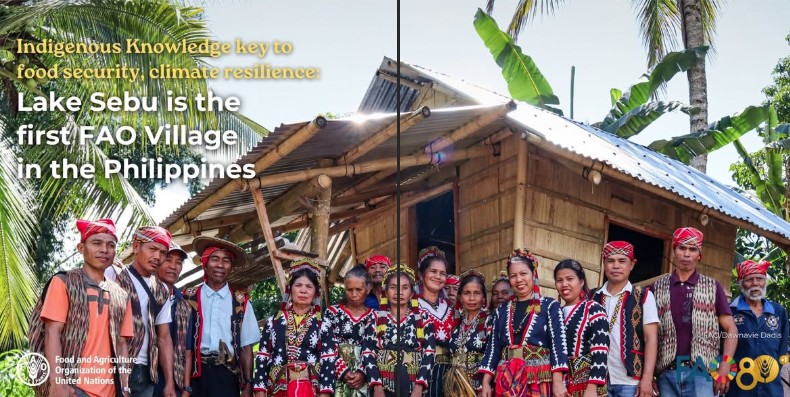
The recognition places Lake Sebu alongside more than 300 distinguished villages worldwide that exemplify resilient and sustainable agrifood systems—communities that have demonstrated that food security, environmental conservation, and cultural preservation can flourish together.
For the T’boli and Ubo-Manobo Indigenous communities, the honor is more than an international accolade. It is a validation of centuries-old traditions that have sustained both people and nature through careful stewardship of ancestral lands.
Indigenous Wisdom Recognized Globally
Lake Sebu’s selection highlights the remarkable practices of its Indigenous communities, whose agricultural traditions have long emphasized ecological balance and sustainability.
The T’boli and Ubo-Manobo have preserved heirloom rice varieties, protected forests and freshwater ecosystems, maintained traditional crop diversity, and passed down Indigenous knowledge systems through generations. Their farming methods reflect an understanding of the environment that predates modern concepts of climate resilience but aligns closely with today’s global sustainability goals.
Rather than relying on intensive agricultural methods that often degrade ecosystems, the communities have continued to cultivate food while preserving biodiversity, demonstrating how Indigenous knowledge can contribute to addressing global challenges such as climate change, food insecurity, and environmental degradation.
Their recognition underscores a growing international appreciation for Indigenous Peoples as vital partners in safeguarding biodiversity and building resilient food systems.
Joining a Prestigious Global Network
As the first Philippine member of the FAO Villages Global Network, Lake Sebu now stands alongside internationally recognized rural communities celebrated for their innovative yet culturally rooted approaches to sustainable development.
The FAO Villages Recognition Initiative was launched by FAO Director-General Qu Dongyu during the organization’s 80th anniversary in 2025 under the Food and Agriculture Museum Network (FAO MunNe).
The initiative recognizes villages that excel in:
- Advancing sustainable agrifood systems;
- Conserving biodiversity;
- Preserving traditional food practices and Indigenous knowledge;
- Promoting inclusive rural development; and
- Strengthening community resilience while maintaining cultural identity.
Lake Sebu’s inclusion sends a powerful message that effective solutions to global food and environmental challenges are already being practiced in rural communities that have nurtured their landscapes for generations.
More Than Tourism: A Living Cultural Landscape
While Lake Sebu has long been known as one of Mindanao’s premier ecotourism destinations—with its scenic lakes, waterfalls, and vibrant Indigenous culture—the FAO recognition shifts international attention toward its deeper significance.
Beyond its picturesque landscapes lies a living cultural landscape where agriculture, forests, fisheries, and Indigenous traditions remain interconnected.
The municipality’s lakes provide livelihoods for local fishers, while surrounding forests help regulate water resources and protect biodiversity. Traditional farming systems continue to support local food production while maintaining ecological balance.
These integrated practices represent a model increasingly valued worldwide as countries seek sustainable approaches to food production amid climate change.
Strengthening Partnerships for Sustainable Development
The historic recognition also coincided with an official visit by senior FAO officials to Lake Sebu, reinforcing partnerships aimed at promoting sustainable agriculture and resilient rural communities.
Municipal officials welcomed Dr. Lionel Dabbadie, FAO Representative in the Philippines, together with Mario Samaja, former Senior Coordinator of the Food and Agriculture Organization of the United Nations, during their visit held at the Tourism Lodge in Barangay Lake Lahit.
Leading the local delegation were Mayor Antonio G. Fungan Jr., Vice Mayor Floro L. Gandam Jr., members of the Sangguniang Bayan, department heads, and municipal officials, who engaged in discussions focused on expanding collaboration in food security, environmental conservation, climate resilience, and sustainable rural development.
The visit emphasized the growing partnership between the local government and FAO in ensuring that Lake Sebu’s globally recognized practices continue to benefit future generations.
Broad Support for Environmental Advocacy
The gathering also brought together advocates from various sectors who share a commitment to environmental protection.
Among those present were Provincial Tourism Officer Argie Ryan Asaria, MPA, along with representatives from the Mister Earth Philippines organization, including the reigning Mister Earth Philippines Grand Winner 2025–2026, Mister Earth Philippines–Water 2024–2025, and the Mister Earth Philippines–Isulan, Sultan Kudarat 2026 titleholder.
Their participation highlighted the increasing collaboration between environmental advocates, tourism stakeholders, government institutions, and local communities in promoting conservation initiatives.
A Milestone for Mindanao and the Philippines
Lake Sebu’s recognition carries significance beyond municipal boundaries. It positions Mindanao as a leader in demonstrating how Indigenous communities can contribute to global solutions for sustainable development.
At a time when climate change threatens ecosystems and food production worldwide, the municipality offers a compelling example of how traditional knowledge and modern sustainability goals can complement one another.
The designation also presents opportunities to strengthen sustainable tourism, promote Indigenous products, expand cultural preservation efforts, and attract greater support for conservation and rural development initiatives.
For the Philippines, becoming home to its first FAO Village is both a national achievement and an invitation to recognize the enduring value of Indigenous knowledge systems.
As the world searches for pathways toward resilient food systems and environmental sustainability, Lake Sebu reminds us that many of the answers have long existed within communities that continue to live in respectful harmony with nature—protecting not only their ancestral heritage but also lessons that could help shape a more sustainable future for all.