
COTABATO CITY — While the Bangsamoro government moves to accelerate the recognition of ancestral domains, Indigenous communities—particularly the Teduray and Lambangian—continue to face displacement, violence, and uncertainty in their long-standing fight for land rights.
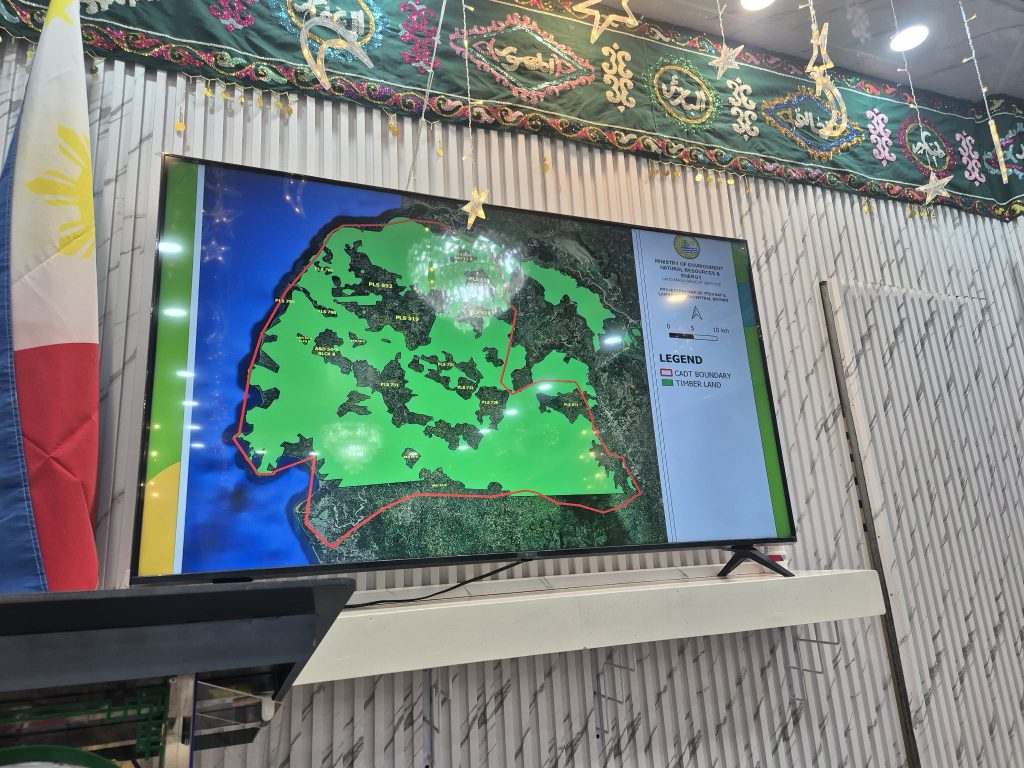
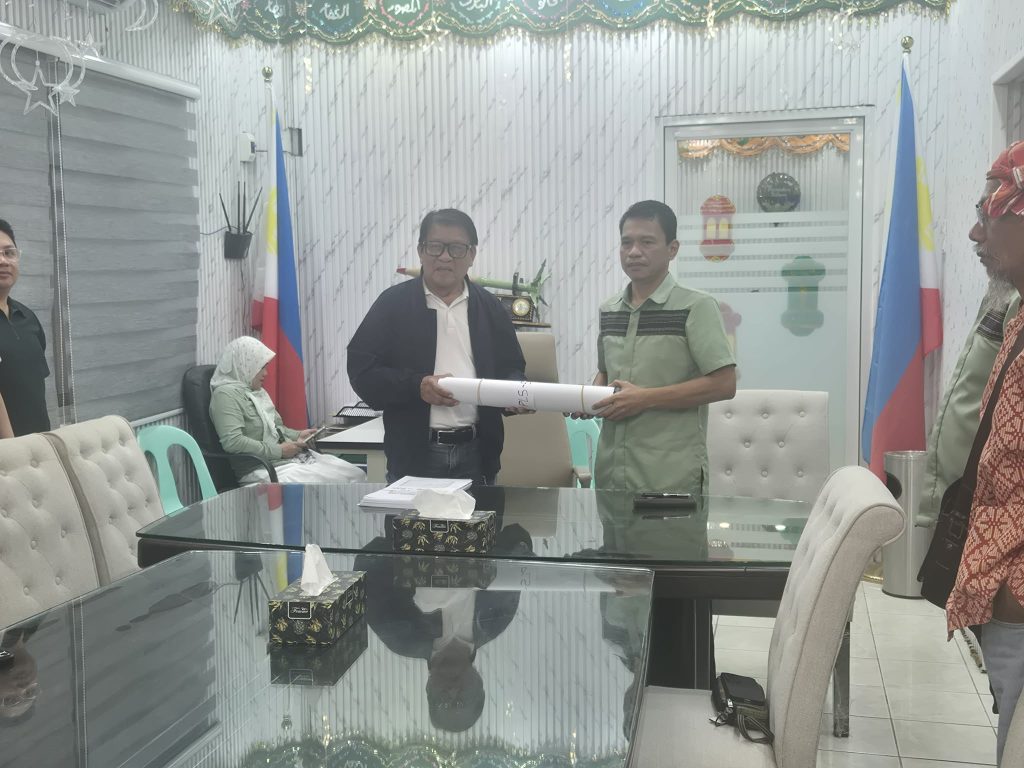
The Ministry of Indigenous Peoples’ Affairs (MIPA) on March 17 received reproduced land records from the Ministry of Environment, Natural Resources, and Energy (MENRE), a development officials say will strengthen the legal processing of ancestral domain claims across the Bangsamoro Autonomous Region in Muslim Mindanao (BARMM).
MENRE Minister Akmad A. Brahim formally handed over the documents to MIPA Minister Guiamal B. Abdulrahman in Cotabato City, marking what authorities described as a crucial step toward evidence-based validation of Indigenous land claims.
Abdulrahman stressed that the additional land records would significantly improve the Ministry’s capacity to process applications, emphasizing that “accurate and accessible land information” is essential not only for legal recognition but also for long-term development planning within ancestral domains.
But for many Teduray and Lambangian communities, the announcement comes against a backdrop of continuing hardship.
Conflict on the ground
For years, Indigenous groups in Maguindanao del Sur and nearby areas have asserted their rights over ancestral lands, citing historical occupation and cultural ties predating modern political boundaries. However, overlapping claims, armed presence, and competing interests have turned parts of their domain into contested spaces.
Community leaders and advocacy groups have reported repeated incidents of forced displacement, harassment, and even killings linked to the unresolved status of ancestral domain claims. Entire families have been driven from their homes, seeking refuge in evacuation centers or neighboring communities, as tensions over land persist.
The slow pace of formal recognition has further aggravated the situation, leaving many Indigenous families vulnerable and without legal protection over lands they have occupied for generations.
Government response
Officials insist that efforts like the recent turnover of land records are meant to address these long-standing gaps.
The documents, according to MIPA, will help establish stronger legal and technical foundations for ancestral domain delineation, enabling faster resolution of claims and minimizing disputes.
Also present during the turnover were key officials from both ministries, including Michael M. Garrigues, Director I of the Bureau of Ancestral Domain, and Philip F. Manguramas, Ancestral Domain Section Head, along with representatives from Indigenous communities—an indication, authorities said, of a “unified commitment” to advancing recognition efforts.
From MENRE, the event was attended by Atty. Badr E. Salendab, Director General for Environment and Natural Resources, Chief Planning Officer Jessie Ondoy, and Maguindanao del Sur Acting PENREO Datumama Makartur, underscoring institutional backing for the initiative.
A race against time
Despite these developments, Indigenous advocates warn that documentation alone will not immediately resolve the crisis on the ground.
They point out that without swift and decisive action—such as enforcement of protections, clear delineation of boundaries, and accountability for violence—communities like the Teduray and Lambangian will continue to bear the brunt of conflict tied to land.
For many, the recognition of ancestral domains is not just a bureaucratic process but a matter of survival, dignity, and justice.
As BARMM pushes forward with its commitment to inclusive growth and Indigenous empowerment, the challenge remains stark: translating policy and paperwork into real protection for communities still fighting to remain on their ancestral land.