
GENERAL SANTOS CITY — November 20, 2026 — The death of a prematurely born infant at the Dr. Jorge P. Royeca City Hospital has prompted a grieving family from Barangay Lagao to raise concerns over the hospital’s response and the medical assistance provided to the newborn shortly after delivery.
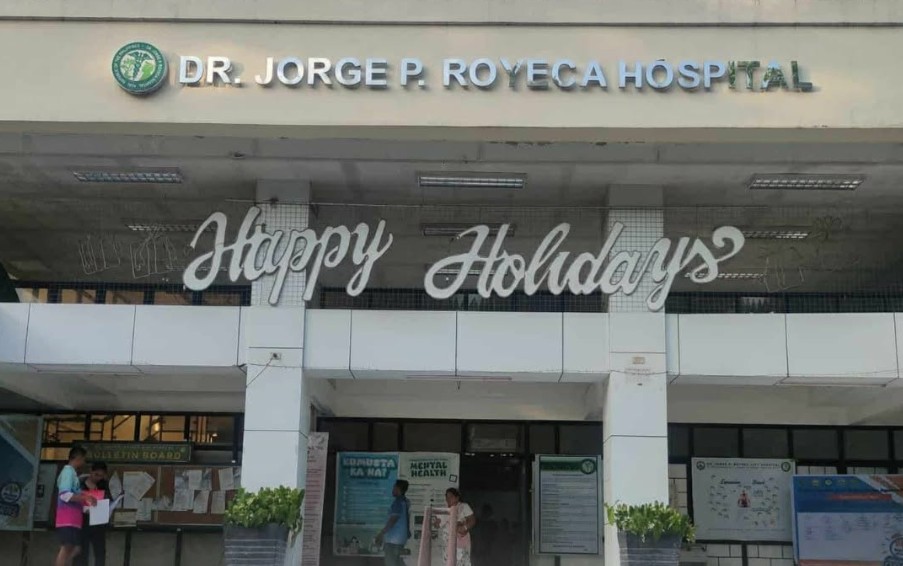
The infant’s grandfather, identified as Leonilo, claimed that delays in attending to his daughter, who was experiencing labor pains, and the subsequent response to the newborn’s critical condition may have contributed to the child’s death.
According to Leonilo’s account, they initially brought his daughter to a lying-in clinic after she began experiencing labor pains. However, due to the sensitivity and complications of her condition, the clinic referred them to the Dr. Jorge P. Royeca City Hospital for further medical attention.
Upon arriving at the hospital, the family was reportedly instructed to complete several admission documents and other paperwork. While they were attending to these requirements, the mother gave birth to the infant inside the hospital.
Medical personnel subsequently attended to the mother and newborn. However, the family raised another concern regarding the hospital’s reported lack of an incubator for the premature infant.
Leonilo claimed that the newborn was initially provided with a heating lamp while they waited for further medical intervention. The family questioned whether the available equipment and the time taken to provide appropriate care were sufficient to address the infant’s fragile condition.
The newborn, who reportedly did not survive until the following day, eventually died at the hospital.
For the family, the tragedy raised serious questions about the timeliness of emergency assistance, the availability of essential neonatal equipment, and the hospital’s readiness to handle premature deliveries.
Hospital disputes claims circulating on social media
In response to the allegations, Dr. Jorge P. Royeca City Hospital issued an official statement expressing its condolences to the mother and her family while providing its account of the incident.
The hospital said the patient was already in an advanced stage of labor when she arrived at its Emergency Room, and that the baby was delivered approximately five minutes after her arrival.
According to hospital management, medical personnel immediately attended to both the mother and newborn following the delivery.
The hospital further stated that the attending physician promptly explained the infant’s medical condition to the mother and her family, including the serious risks, possible complications, and limited chances of survival associated with the baby’s extremely premature birth.
Based on the hospital’s assessment, the infant was born at approximately 25 weeks of gestation, equivalent to around six months of pregnancy. This placed the newborn in the category of extreme prematurity, a condition associated with significant medical risks and potentially life-threatening complications.
The hospital maintained that despite the medical attention and interventions provided, the infant unfortunately did not survive.
It also emphasized that the mother received appropriate medical attention and monitoring following delivery. After her condition was assessed and determined to be stable, she was discharged.
Questions remain over hospital response and neonatal facilities
While the hospital has presented its explanation, the family’s allegations highlight broader concerns about emergency obstetric care and the capacity of public hospitals to manage extremely premature newborns.
The circumstances surrounding the incident have raised questions that deserve careful examination, particularly regarding the admission process, the timing of medical intervention, the availability of neonatal life-support equipment, and whether the hospital had adequate facilities or referral arrangements for a newborn delivered at approximately 25 weeks.
The hospital also challenged the credibility of claims circulating on social media, saying the individual who shared them was not present during the actual provision of medical care and therefore had no firsthand knowledge of the incident.
However, the family’s account, as presented by the grandfather, reflects their experience and concerns following the loss of the child. These claims and the hospital’s explanation have yet to be independently reconciled through a documented review of the incident.
The hospital reiterated its commitment to providing safe, ethical, responsive, and compassionate healthcare. It also appealed to the public to exercise caution when sharing information about sensitive medical incidents and to allow facts and proper verification to guide public discussions.
Ultimately, the tragedy calls for more than expressions of sympathy and competing accounts. A transparent examination of the circumstances would help establish whether proper procedures were followed, whether the available medical resources were adequate, and whether improvements are necessary to prevent similar incidents.
For the bereaved family, the loss of a newborn is an immeasurable tragedy. For the public, it is also a reminder that timely emergency care, adequate hospital facilities, and accountability are essential responsibilities of every healthcare institution.