
MINDANAO, Philippines — The death toll from the devastating magnitude 7.8 earthquake that struck Mindanao has climbed to 81, while 31 people remain missing, as rescue, relief, and rehabilitation operations continue across the hardest-hit areas, according to the latest situational report released by the National Disaster Risk Reduction and Management Council (NDRRMC).

The NDRRMC also reported that 1,315 individuals have been injured, although the agency said that the majority of the reported casualties are still undergoing validation.
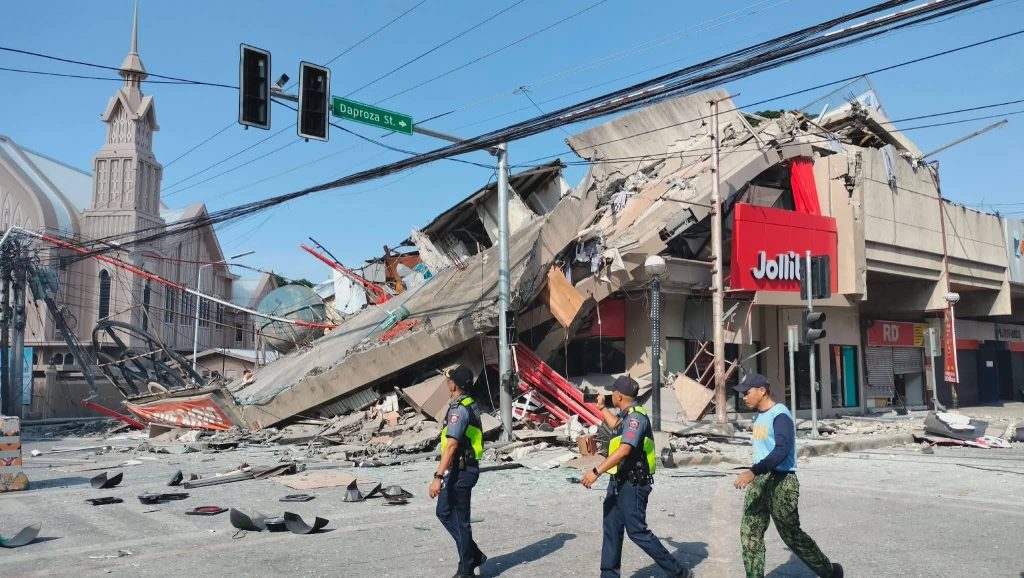
The powerful earthquake has affected more than 380,000 families, or approximately 1.63 million individuals, across over 600 barangays in Regions 9, 11, 12, and the Bangsamoro Autonomous Region in Muslim Mindanao (BARMM), making it one of the deadliest and most destructive disasters to hit southern Philippines in recent years.
Authorities said the widespread devastation has left more than 87,000 houses either totally or partially damaged, forcing thousands of families to seek temporary shelter while government agencies race to provide humanitarian assistance.
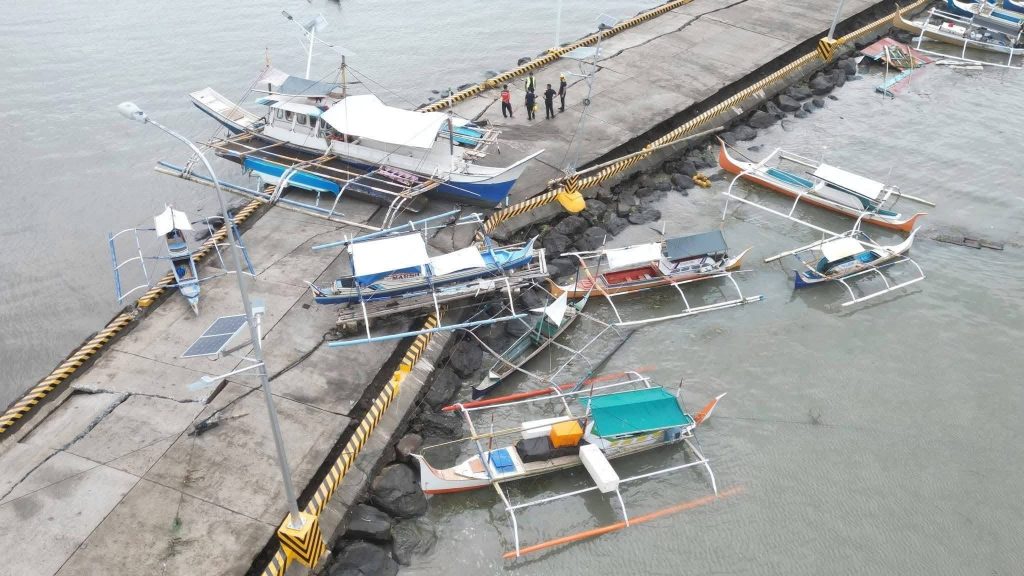
Infrastructure damage has also continued to rise, with losses now estimated at ₱1.356 billion, affecting roads, bridges, public facilities, and other vital government infrastructure throughout the quake-hit regions.
In response to the extensive destruction, 18 cities and municipalities across Mindanao remain under a State of Calamity, allowing local governments to access emergency funds and expedite disaster response efforts.
Jose Abad Santos Mayor Appeals for More Assistance
Among the worst-hit communities is Barangay Butulan in the municipality of Jose Abad Santos, where entire neighborhoods along the coast were flattened by the violent ground shaking.
Jose Abad Santos Mayor Jason John Joyce released photographs showing the extent of the destruction, describing the coastal barangay as virtually leveled by the earthquake.
The mayor said it took him time to gather the courage to personally visit the devastated community due to the overwhelming scale of the damage.
With hundreds of families now left homeless, the municipal government has appealed for additional assistance from both government agencies and private donors as relief and rehabilitation operations continue.
Local officials said donations remain urgently needed to help affected residents rebuild their lives following the disaster.
Schools Face Long Recovery
The earthquake has likewise dealt a heavy blow to the education sector.
In General Santos City, Department of Education (DepEd) Schools Division Superintendent Isagani Dela Cruz disclosed that the division has yet to receive funding for the repair of numerous school buildings damaged by the earthquake.
Dela Cruz said schools are currently focused on clearing operations to make classrooms and campuses safe for teachers and students before the formal resumption of classes.
Despite the damage, he assured parents, students, and teachers that many classrooms remain structurally usable and that learning activities can still continue while rehabilitation progresses.
However, he acknowledged that restoring damaged school facilities may take several weeks or even months, as clearing operations and structural assessments remain ongoing before full repairs can begin.
Government agencies continue to conduct damage assessments while humanitarian organizations and local government units intensify relief distribution, search-and-rescue operations, and rehabilitation efforts across the affected provinces as thousands of families struggle to recover from one of Mindanao’s most destructive earthquakes.