
GENERAL SANTOS CITY, Philippines — Grief continues to deepen across Mindanao as the death toll from the devastating magnitude 7.8 earthquake that struck offshore Sarangani Province on June 8 has risen to 45, while hundreds remain injured and several others are still missing.
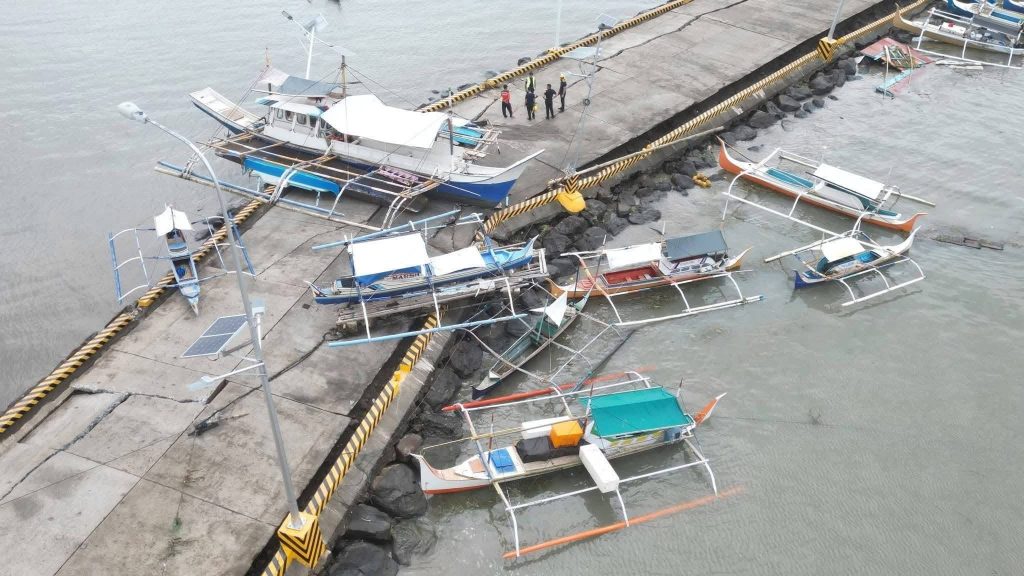
According to the latest report from the Office of Civil Defense (OCD) as of 6:00 a.m. on June 10, a total of 45 people have lost their lives, 630 individuals have been injured, and 17 remain missing as rescuers race against time to search through collapsed structures and devastated communities.
Behind every number is a family shattered by loss, a home reduced to rubble, and a community struggling to recover from one of the strongest earthquakes to hit Mindanao in recent years.
For many families, the pain of losing loved ones has been compounded by uncertainty as authorities continue search and rescue operations in the hardest-hit areas. Some relatives continue to wait anxiously outside evacuation centers and disaster sites, hoping for news about missing family members.
Authorities have warned that the casualty figures may still increase as assessment teams gain access to isolated communities and rescue operations continue.
Sarangani Under State of Calamity
In response to the widespread destruction, the Provincial Government of Sarangani officially declared a State of Calamity on June 10.
The declaration allows local government units to immediately access emergency funds, accelerate relief operations, and implement rehabilitation programs for affected communities.
Sarangani Governor Rogelio D. Pacquiao said the move was necessary to ensure that assistance reaches affected residents without delay.
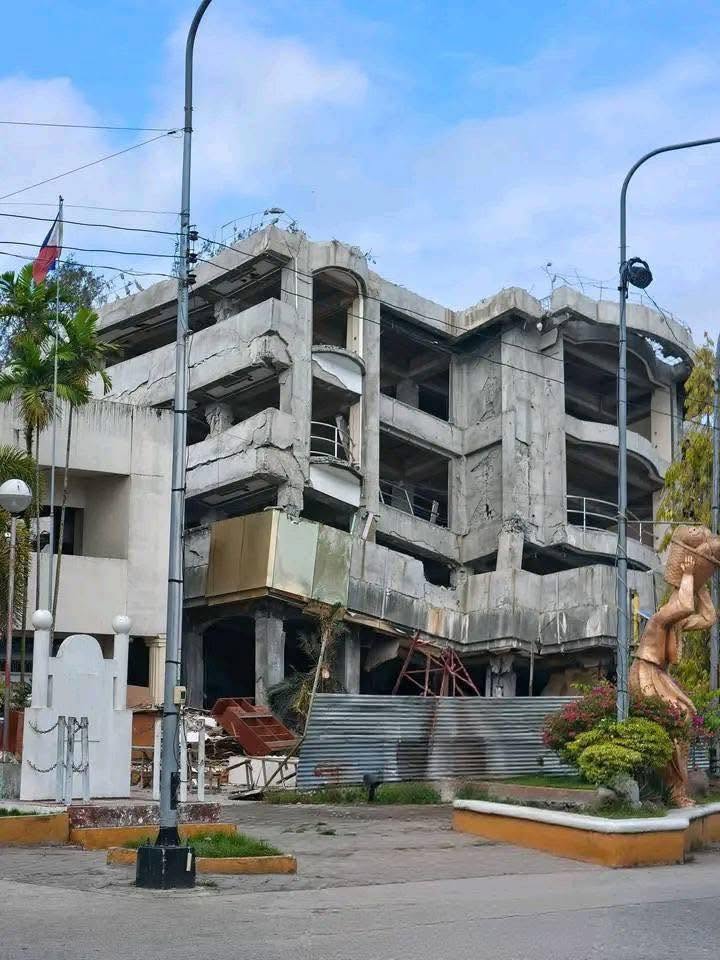
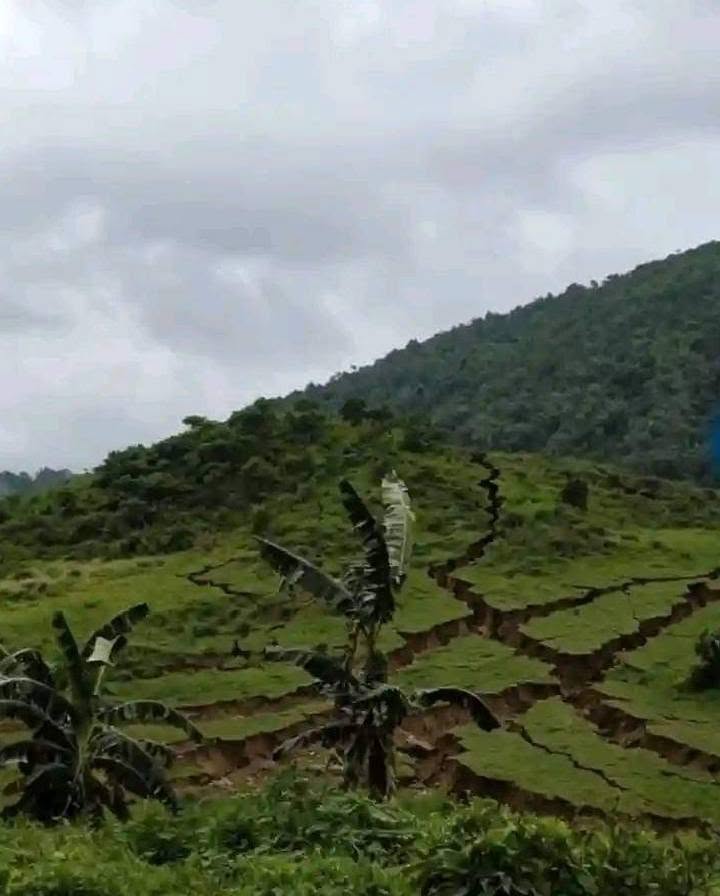
The earthquake’s epicenter was located near the municipality of Maasim, causing extensive damage across the province. Roads, bridges, schools, hospitals, government buildings, and utility facilities suffered varying degrees of destruction.
Thousands of residents have been displaced, while continuous aftershocks have left many afraid to return to their homes.
Cry for Help from Hard-Hit Communities
While relief efforts continue, residents in Sarangani—particularly in the municipalities of Glan and Malapatan—have appealed for greater attention and assistance.
Several residents took to social media to express concern that relief operations and media coverage appeared to focus largely on General Santos City while some severely affected communities in Sarangani remained in urgent need of aid.
“Aside from Gensan, please help Sarangani,” one resident wrote online, echoing the sentiments of many families struggling to cope with the disaster.
Others expressed fears that their communities might be overlooked despite suffering significant losses.
Homes Reduced to Rubble
The earthquake left a trail of destruction across Sarangani Province.
In Malapatan alone, local disaster officials reported 10 fatalities, 64 people with minor injuries, four hospitalized victims, and two missing persons.
A total of 2,570 houses were affected, including 634 homes that were completely destroyed and 1,936 that sustained partial damage.
Among those affected is 41-year-old Joan Rojas of Barangay Lun Padidu, whose family lost everything when their house collapsed.
“Actually, our house is totally damaged. Not a single wall remains standing. Everything collapsed. We no longer have a place to live. But I am still thankful to God because my family is safe,” she said.
Like many others, her family now sleeps in a temporary tent erected outside the ruins of their former home.
For survivors, the emotional trauma remains fresh. Every aftershock revives fears of another disaster, while countless families face uncertainty about how they will rebuild their lives.
Food, Water, and Shelter Remain Critical Needs
As communities struggle to recover, residents continue to face shortages of food, clean drinking water, and temporary shelter.
Many affected families remain in evacuation areas or makeshift camps after their homes became unsafe.
Power interruptions, damaged communication lines, and unstable internet connections have further complicated relief operations in several municipalities.
The destruction of the Sapu Masla Bridge in Malapatan also disrupted the transport of essential goods and humanitarian assistance to Glan and neighboring communities. Although emergency repairs have since restored access, the incident highlighted the vulnerability of critical infrastructure following the earthquake.
Damage Exceeds P500 Million
Initial assessments indicate that the earthquake has caused more than P500 million worth of damage to infrastructure across the Davao Region and SOCCSKSARGEN.
Damaged facilities include schools, roads, bridges, government buildings, and public utilities.
The impact on education is also significant, with numerous schools suffering structural damage that may disrupt classes and affect thousands of students.
National Government Eyes Additional Funding
As recovery efforts intensify, lawmakers are pushing for additional resources to support affected communities.
Senator Francis “Kiko” Pangilinan has filed a measure seeking an additional P15 billion to augment disaster relief and rehabilitation efforts in earthquake-hit areas.
Meanwhile, Acting Senate President Sherwin Gatchalian said he is awaiting the official assessment from the Office of Civil Defense to determine whether a supplemental budget will be necessary for large-scale recovery operations.
Search Continues, Hope Endures
Even as relief goods arrive and government agencies mobilize resources, the anguish of families searching for missing loved ones remains one of the most heartbreaking consequences of the disaster.
Across evacuation centers, hospitals, and devastated neighborhoods, stories of survival are mixed with stories of loss.
For those who lost parents, children, spouses, relatives, and friends, recovery is no longer just about rebuilding houses and roads—it is about finding the strength to move forward after unimaginable tragedy.
As Mindanao mourns its dead and prays for those still missing, authorities continue to urge the public to remain vigilant amid ongoing aftershocks, follow safety advisories, and support efforts to help affected communities recover from the catastrophe.
The road to recovery may be long, but for the thousands of families affected by the earthquake, every rescue, every act of kindness, and every assistance delivered brings hope amid the devastation.