
ZAMBOANGA CITY — Naval forces under the Western Mindanao Naval Command (WMNC) intercepted a motorized banca loaded with an estimated ₱64.4 million worth of smuggled cigarettes off the waters of Sulu, in a major anti-smuggling operation that underscores intensified maritime enforcement in the region.
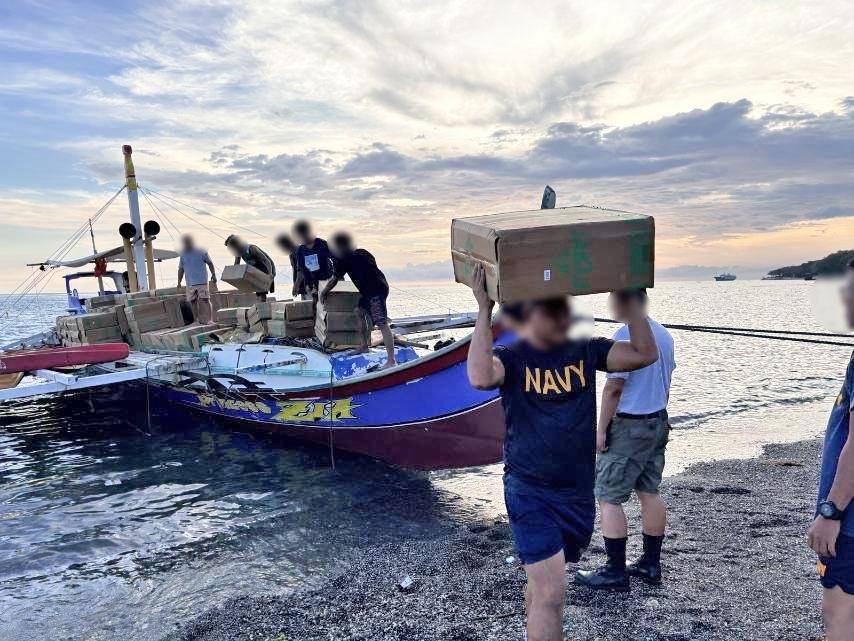
The operation was carried out by Naval Task Force 61 on April 8, 2026, during a routine maritime patrol. The vessel, identified as MB Princess Zia, was intercepted approximately 1.2 nautical miles southeast of Marungas Island, Sulu, well within Philippine internal waters.
Authorities reported that the vessel was manned by six crew members, all of whom were apprehended after failing to present the necessary documentation for their cargo. A thorough inspection revealed a large volume of assorted foreign-brand cigarettes believed to have been smuggled into the country.
Seized from the vessel were 460 master cases and 44 reams of cigarettes, with a total estimated value of ₱64,488,266. The figure includes the value of the motor banca, pegged at around ₱400,000.
According to WMNC chief Rear Adm. Constancio Arturo Reyes Jr., the successful interception highlights the Navy’s sustained maritime patrol efforts aimed at curbing illegal activities and maintaining security within its area of responsibility.
“This operation reflects our continuous presence at sea and firm resolve to enforce maritime laws and protect our borders,” the WMNC said in a statement.
Following the interception, the vessel and its crew were escorted to a naval facility in Zamboanga City, where they arrived on April 9. The seized cargo, along with the apprehended individuals, were subsequently turned over to the Bureau of Customs – Port of Zamboanga for proper documentation and the filing of appropriate charges.
The WMNC emphasized that operations like this are part of its broader mandate to prevent the entry of illegal goods, protect the country’s economic interests, and uphold national security.
The confiscation of the contraband cigarettes is among the latest in a series of intensified crackdowns against smuggling in the southern maritime corridors, long considered vulnerable to illicit trade due to their proximity to international borders.