
DAVAO CITY, Philippines — In a powerful symbol of hope for one of the world’s rarest birds, the Philippine Eagle Foundation has proudly announced the successful hatching and growth of Philippine Eagle chick number 32, now officially named Bayani—the Filipino word for “hero.”
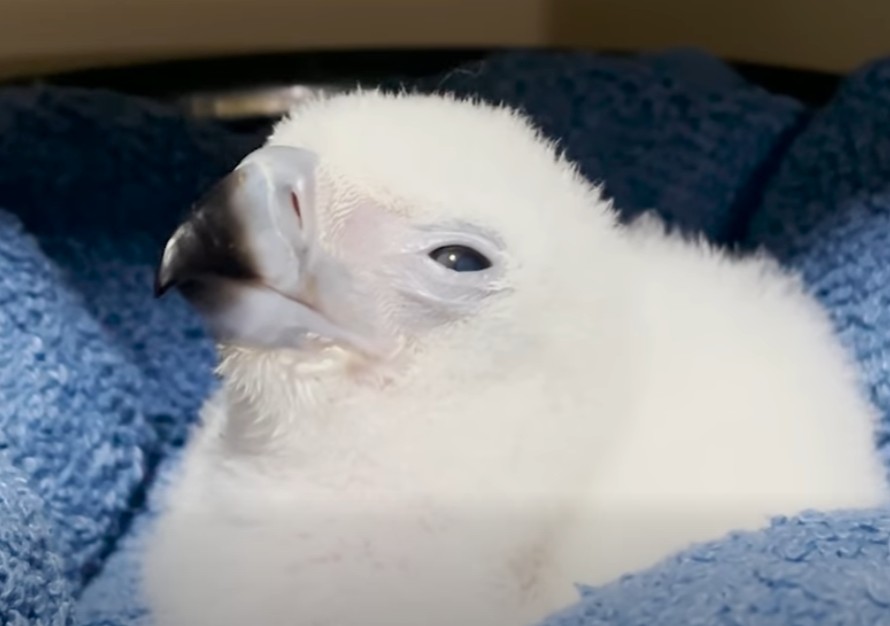
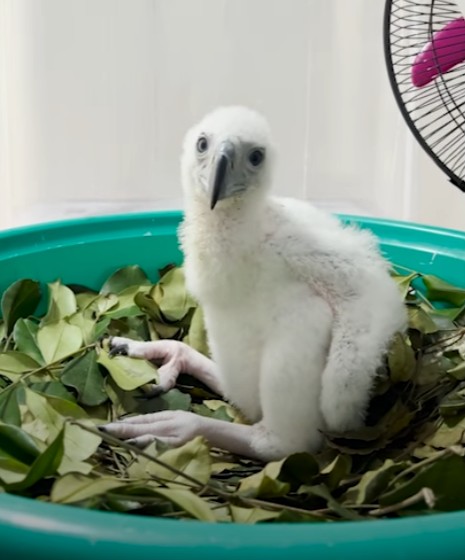
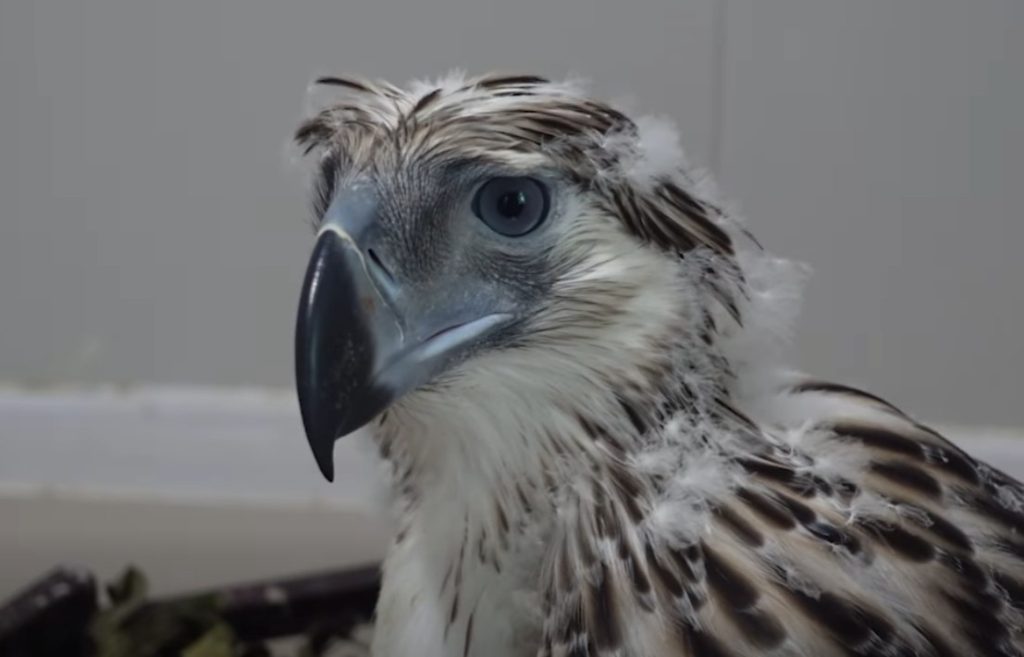
The young eagle, now three months old, represents another important milestone in the ongoing effort to save the critically endangered Philippine Eagle, the country’s national bird and one of the largest and most powerful forest raptors in the world.
A Name That Symbolizes Courage
The chick’s name, Bayani, was chosen by its adopter, Procon Grumbach, reflecting the courage, resilience, and hope that conservationists associate with every new Philippine Eagle born under human care.
For the foundation, the name carries deep meaning. Each successful hatch is not only a scientific achievement but also a reminder of the ongoing battle to prevent the species from disappearing forever.
With fewer than 400 pairs believed to remain in the wild, every chick produced through conservation programs is considered a major victory.
Born Through Advanced Conservation Science
Bayani is the offspring of adult Philippine Eagles Dakila and Sinag, and was produced through cooperative artificial insemination, a technique developed and refined by scientists and veterinarians at the foundation.
This method has become a critical tool in the conservation breeding program, helping overcome challenges such as low reproductive rates and compatibility issues among captive eagles.
The chick was successfully bred and hatched at the National Bird Breeding Sanctuary, a specialized facility dedicated to safeguarding the future of the species through science-based breeding and wildlife care.
Experts at the facility carefully monitor Bayani’s health, diet, and behavior to ensure the chick grows strong and healthy during its early months—a crucial stage in its development.
A Fragile Species Fighting for Survival
The Philippine Eagle, known for its distinctive shaggy crest and massive wingspan, once soared across vast tropical forests throughout Luzon, Samar, Leyte, and Mindanao.
Today, however, the species faces severe threats including:
- Deforestation and habitat loss
- Illegal hunting and trapping
- Human encroachment into forest habitats
Because Philippine Eagles breed slowly—typically producing only one chick every two years in the wild—population recovery can take decades without strong conservation interventions.
This reality makes every successful chick born under managed care extremely significant.
The Power of Collective Support
The foundation emphasized that Bayani’s successful hatching would not have been possible without the support of donors, partners, and sponsors who sustain the long-term conservation effort.
Public adoption programs, corporate partnerships, and environmental advocates play a vital role in funding research, breeding, habitat protection, and community education initiatives.
“Each chick like Bayani is proof that dedicated conservation efforts can make a difference,” the foundation said in its announcement.
A Small Chick With a Big Mission
Although still young, Bayani already represents the next generation of hope for the Philippine Eagle.
From its first days after hatching to its steady growth in the sanctuary, the chick’s journey embodies the painstaking work behind saving a species on the brink.
For conservationists, Bayani is more than just the 32nd chick—it is a reminder that with science, commitment, and public support, the future of the Philippine Eagle can still take flight.
And like its name suggests, this tiny eagle may yet become a hero for an entire species. 🦅