
More than a decade has passed since the blood-soaked morning of January 25, 2015, when 44 elite members of the Philippine National Police–Special Action Force (SAF) were killed in the cornfields and marshlands of Barangay Tukanalipao, Mamasapano. Eleven years later, the country still commemorates the Fallen 44—but it has yet to confront the far more uncomfortable truth behind their deaths: those who planned, approved, and allowed a fatally flawed operation have never been punished.
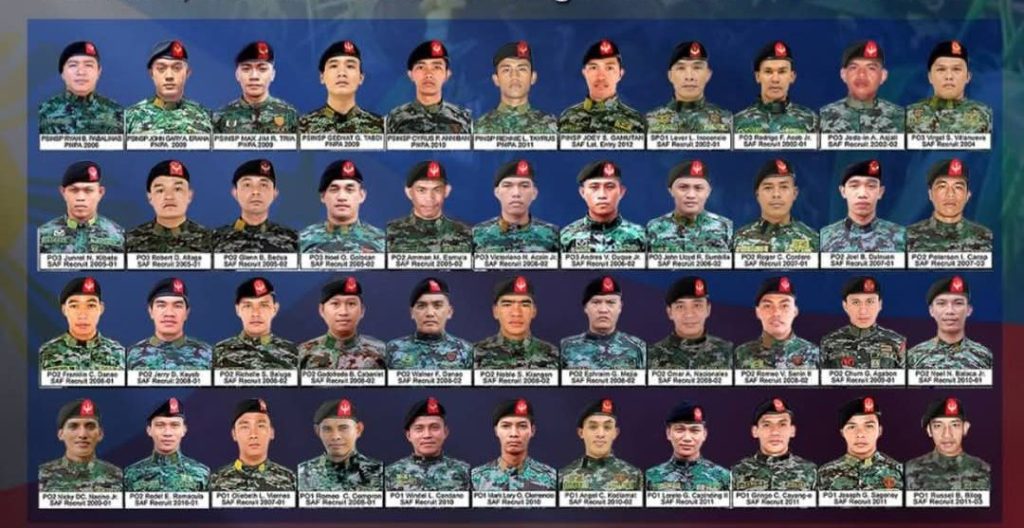
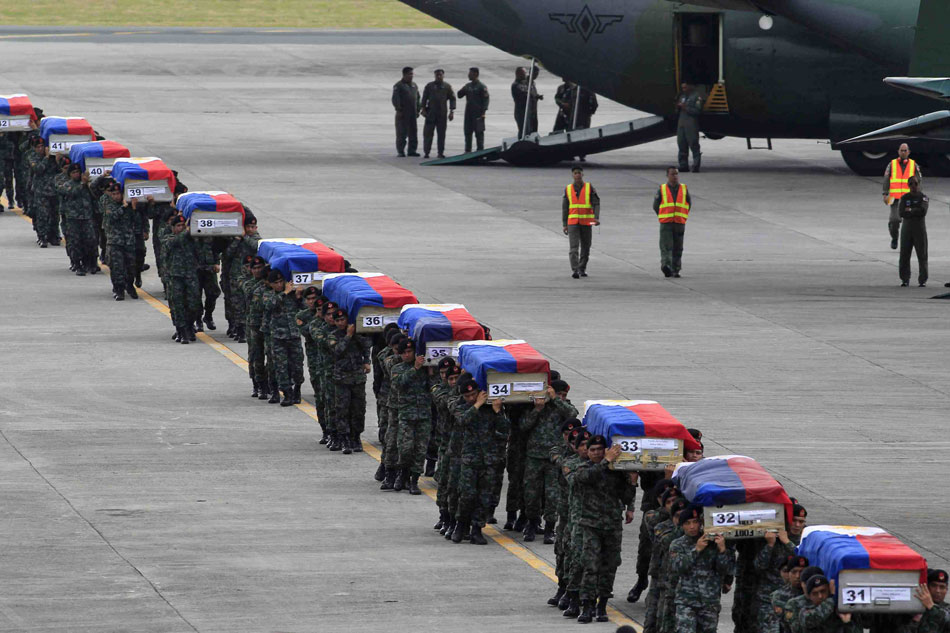
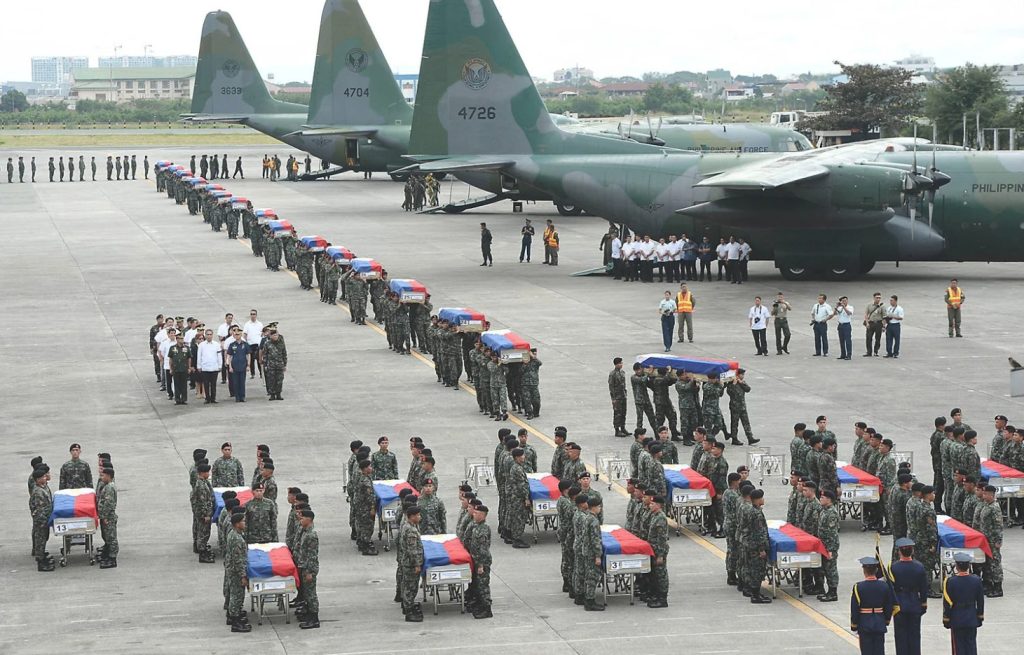
Mamasapano is no longer just a tragedy of war. It has become a symbol of institutional impunity, where rank-and-file men die, while senior officials walk away—some into retirement, some into higher office, and one into the grave—untouched by real accountability.
A Mission Doomed by Design
Oplan Exodus was conceived as a high-value counterterrorism operation. Its primary target, Malaysian bomb-maker Zulkifli Abdhir alias Marwan, was neutralized. By the narrowest technical definition, the mission “succeeded.”
But strategy is not measured by targets killed alone. Strategy is measured by lives protected, systems respected, and risks responsibly managed. By that standard, Mamasapano was a catastrophic failure.
The SAF units were sent deep into hostile territory without full coordination with the Armed Forces of the Philippines, without proper engagement of the MILF ceasefire mechanisms, and without an effective contingency plan once things went wrong. When the shooting erupted, the commandos were isolated, surrounded, and pinned down for hours—pleading for support that came too late.
This was not bad luck. This was bad planning.
The Deadly Choice Not to Coordinate
The single most fatal decision in Mamasapano was not made on the battlefield—it was made in offices, briefings, and command rooms.
Senior officials knowingly chose non-coordination, fearing leaks more than they feared the consequences of isolation. That choice violated established protocols, undermined the peace architecture in Mindanao, and effectively abandoned 44 men once the operation was compromised.
When the government later scrambled to request a ceasefire to save the remaining survivors, the irony was cruel: coordination was suddenly possible—but only after dozens had already died.
Command Responsibility That Led Nowhere
In any functioning democracy, an operation that results in 44 dead government commandos in peacetime would trigger swift and decisive accountability at the highest levels. In the Philippines, it triggered investigations—but no real punishment.
Yes, inquiries were conducted. Reports were written. Hearings were televised. Names were mentioned.
But more than a decade later, one fact remains indisputable:
No senior official from the PNP, the Department of the Interior and Local Government (DILG), or the Office of the President was ever criminally punished for Mamasapano.
The President at the time admitted a “lack of coordination,” acknowledged knowledge of the operation, and faced intense public criticism. Yet he finished his term, lived out his life, and died without ever being held legally accountable.
History may judge him.
But the law never did.
Who Paid—and Who Didn’t
The price of Mamasapano was paid in:
- 44 coffins
- Widows and orphaned children
- Traumatized survivors
- Displaced civilians
- A peace process pushed to the brink
The price was not paid by:
- Those who approved a high-risk plan without safeguards
- Those who bypassed coordination mechanisms
- Those who exercised authority without responsibility
This imbalance is not accidental. It is structural.
In the Philippines, accountability weakens as rank increases. The higher the office, the thicker the shield.
Peace as Collateral Damage
Mamasapano did not only kill men; it crippled trust. The incident stalled the Bangsamoro Basic Law, polarized public opinion, and handed ammunition to those who argued that peace talks were futile.
Yet even as the peace process absorbed the blow, no comparable blow was dealt to those who caused the disaster. Institutions survived. Careers survived. Reputations, in some cases, even recovered.
Only the dead remained unchanged.
Misencounter or Massacre—A Debate That Missed the Point
For years, officials debated whether Mamasapano was a “misencounter” or a “massacre.” The argument obscured a deeper truth: whatever the label, the outcome was preventable.
Whether by overkill or miscalculation, the deaths were not inevitable. They were the result of decisions made by people with power—who were never forced to answer for them.
Eleven Years Later: The Unlearned Lessons
More than a decade on, the lessons of Mamasapano remain dangerously unresolved:
- Planning without coordination is negligence, not bravery.
- Peace mechanisms ignored today will exact a blood price tomorrow.
- Heroism in the field cannot compensate for incompetence at the top.
- Remembrance without accountability is hypocrisy.
The Most Painful Truth
The most painful truth is not that mistakes were made.
Mistakes happen in war and peace alike.
The most painful truth is this:
The Philippine state proved that it can mourn its dead—but not discipline its powerful.
Until accountability reaches the highest levels—until commanders and political leaders are held to the same standard as the men they command—Mamasapano will remain unresolved, no matter how many anniversaries pass.
Remembering the Fallen by Demanding Justice
The 44 SAF troopers did their duty. They trusted their superiors. They believed the system would not abandon them.
That trust was broken.
More than a decade later, remembrance must no longer be enough. The truest honor for the Fallen 44 is not silence, not ceremony, and not speeches—but the hard insistence that no future generation of Filipinos in uniform should die because those in power were never held to account.
Mamasapano is over.
Its lessons are not.
And until justice is no longer selective, the country has learned nothing at all.