
Bonifacio, Misamis Occidental — The Department of Agriculture–Bureau of Animal Industry (DA-BAI) has confirmed the first recorded case of Avian Influenza in the region after laboratory tests detected the virus in poultry samples from Barangay Linconan, Bonifacio, Misamis Occidental.
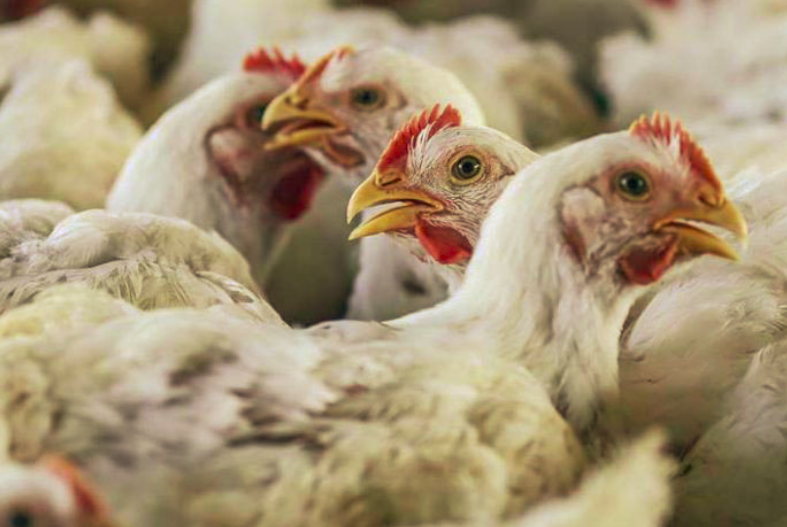
The infected samples—ducks and chickens collected on December 5, 2025 by the Provincial Veterinary Office of Misamis Occidental—were initially screened at the Regional Disease Diagnostic Reference Laboratory of the DA Regional Field Office 10 (DA-RFO 10) as part of routine surveillance. Confirmatory testing conducted by the DA-BAI Animal Disease Diagnosis and Reference Laboratory (BAI-ADDRL) yielded positive results on January 16, 2026.
Of the samples examined, 21 tested positive for Avian Influenza Subtype H5, while one sample was confirmed positive for Subtype N1, prompting the DA-BAI to immediately activate emergency disease control measures.
Following confirmation, DA-BAI endorsed a series of urgent actions to DA-RFO 10, including the immediate quarantine of affected premises, humane culling and proper disposal of remaining birds, and the conduct of extensive disease investigations such as trace-back and trace-forward operations. Field surveillance and sample collection are also ongoing in all farms and households with susceptible animals within a one-kilometer quarantine zone surrounding the infected area.
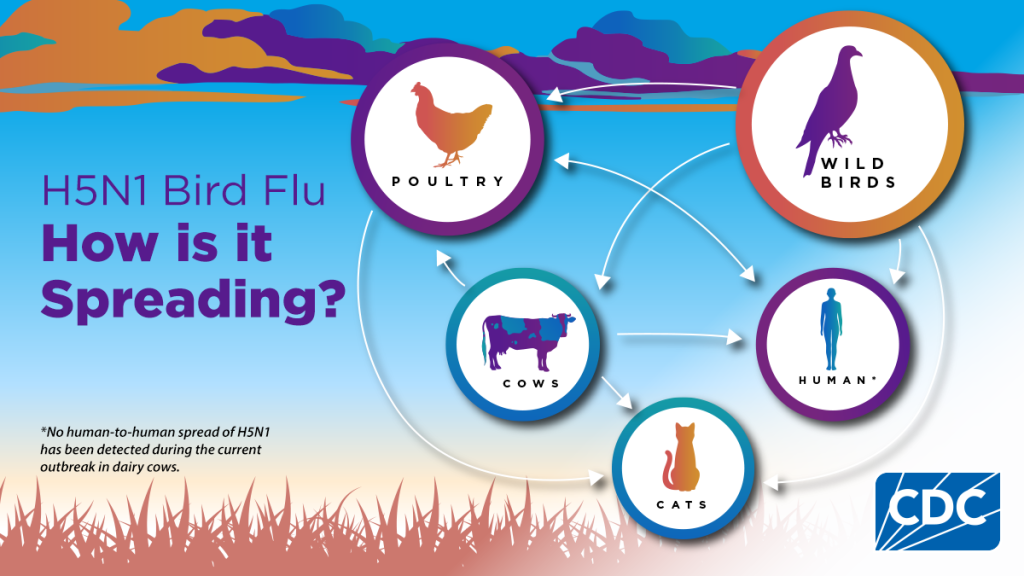
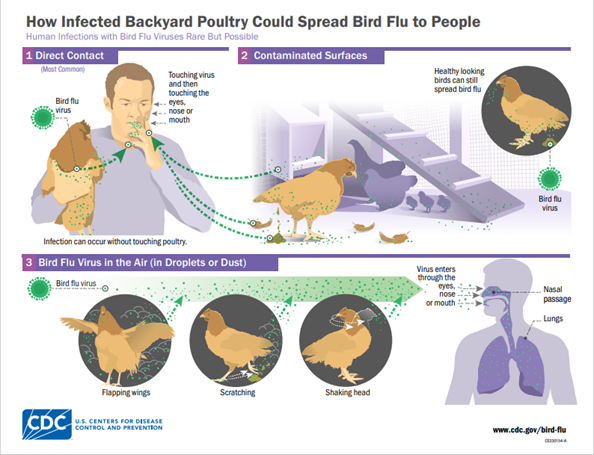
The bureau further instructed close coordination with local government units and concerned agencies in accordance with the Avian Influenza Protection Program–Manual of Procedures (AIPP-MOP), as well as collaboration with the Department of Health to monitor individuals exposed to affected premises and prevent any potential risk of transmission to humans.
In response, DA-RFO 10, under Regional Executive Director Jose Apollo Y. Pacamalan, activated its Command Center and convened its Regional Quick Response Team through the Regulatory Division to strictly enforce control protocols. An emergency management meeting was held with the Provincial Government of Misamis Occidental and the Municipal Government of Bonifacio to align preventive strategies and identify immediate interventions for affected poultry raisers.
The quick response team, led by OIC Regional Technical Director for Research and Regulations Lana May S. Racines, also engaged directly with affected farmers, alongside local officials, to explain the dangers posed by Avian Influenza and guide them through the safe depopulation of infected birds.
In strict compliance with the AIPP-MOP, DA-RFO 10—working closely with the Provincial Veterinary Office and the Municipal Government of Bonifacio—is overseeing the proper disposal of infected ducks and chickens. Disease control operations have intensified, including enhanced surveillance within both one-kilometer and seven-kilometer zones, as well as thorough cleaning and disinfection of affected sites to curb further spread of the virus.
To strengthen containment efforts, Bonifacio Mayor Ricky R. Bulahan issued Executive Order No. 04, series of 2026, temporarily prohibiting the movement of animals from Barangay Linconan. The ban will remain in effect until official surveillance results and clearance are issued by DA-RFO 10.
Authorities are also moving to cushion the economic impact on affected families. DA-RFO 10 is facilitating immediate indemnification for losses incurred by poultry raisers, while the municipal government and the provincial government, under Governor Henry S. Oaminal Sr., have allocated cash assistance per affected household to help sustain livelihoods during the containment period.
The Department of Agriculture urged poultry raisers and residents to remain alert and immediately report any unusual sickness or sudden deaths among chickens or ducks to their nearest veterinary or agriculture office. Strict biosecurity measures, officials emphasized, remain critical in protecting the poultry industry and public health.
The DA-RFO 10 reaffirmed its commitment to work closely with local governments, health authorities, and stakeholders to ensure the outbreak is contained swiftly, safely, and efficiently, stressing that public cooperation is key to preventing wider transmission.