
Every December, Mindanao remembers—but does the State? Fourteen years ago, in the early hours of December 16, 2011, Tropical Storm Sendong (international name: Washi) tore through a region long told it was “outside the typhoon belt.” By morning, rivers had swallowed entire communities. By daylight, bodies were tangled in debris, homes erased, families obliterated. Between 1,200 and 2,500 lives were lost—not because the storm was the strongest to ever hit the country, but because it struck where preparedness was weakest and denial was strongest.
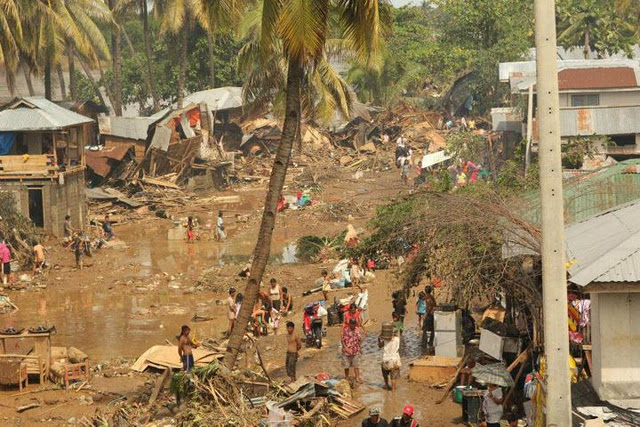
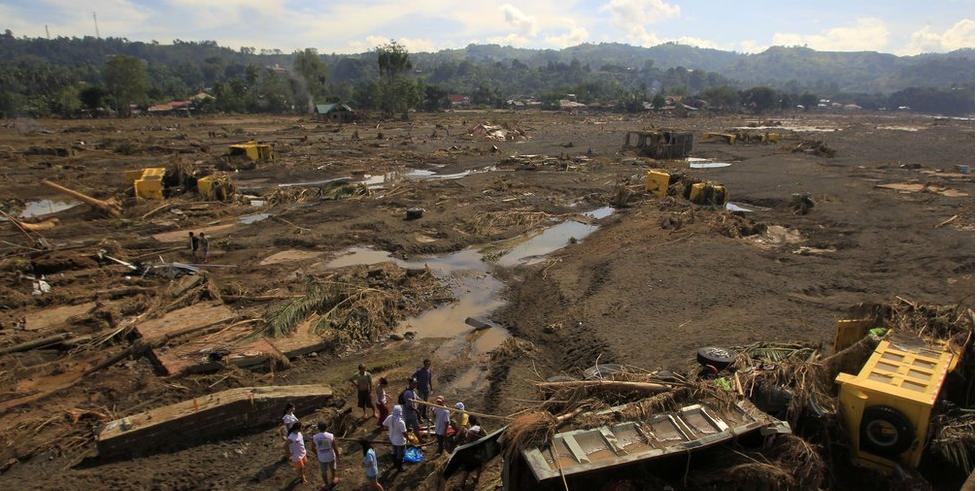
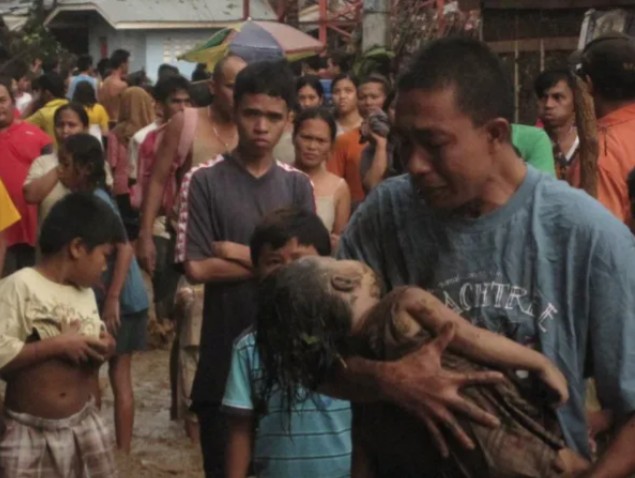
Sendong was not just a natural disaster; it was a governance failure laid bare. Rainfall of historic intensity—more than 400 millimeters in some areas—combined with deforested watersheds, clogged rivers, settlements planted along floodplains, and warnings that failed to reach sleeping families. In Cagayan de Oro and Iligan, floodwaters rose meters in less than an hour at 2:30 a.m., when evacuation orders meant little to people who had never been told they were living in danger zones to begin with. “We did not expect this,” survivors said. That sentence alone should have haunted policy-makers for generations.
And yet, the most uncomfortable question today is this: have we truly learned, or have we simply moved on?
After Sendong, billions of pesos were pledged. Safer shelters were designed. Some riverbank communities were relocated to upland areas. On paper, lessons were learned. But in practice, across Mindanao and the rest of the country, thousands of families still live along rivers, coastlines, and landslide-prone slopes—areas experts already know will flood again. Climate change has made storms wetter, faster, and more unpredictable. What was once a “1-in-75-year flood” is no longer a once-in-a-lifetime event. It is a preview.
The truth is harsh but necessary: relief has repeatedly taken precedence over prevention. Evacuation centers are prepared—but permanent, dignified resettlement remains slow, contested, or politically inconvenient. Local governments hesitate to relocate voters. National agencies cite budget constraints. Communities resist moving because safer land often means losing livelihoods. Meanwhile, danger zones remain populated, and every strong rain becomes a gamble with human life.
If Sendong taught us anything, it is this: early warnings mean nothing if people are left in harm’s way. No amount of rescue boats, body bags, or foreign aid can compensate for lives that could have been saved by decisive, long-term planning. Transferring populations from high-risk areas is not cruelty—it is responsibility. What is cruel is allowing people to rebuild, again and again, on land we already know will betray them.
Remember that Sendong struck at night, when people were asleep. The next disaster may not wait for daylight either. The question for authorities is no longer whether relocation is difficult, expensive, or unpopular. The question is whether they are willing to accept the next body count as the cost of inaction.
Sendong’s name was retired because of the dead it left behind. The lesson it carried, however, must never be retired. Because forgetting it would mean accepting that the next flood, the next storm, the next river that rises in the dark—will once again find us unprepared, apologetic, and counting the dead.