
Patikul, Sulu – In a small coastal village once known as a haven for terrorism, the sound of waves crashing against the shore now mingles with a different kind of ripple — the promise of clean, drinkable water.
Minis Island, a former stronghold of the Abu Sayyaf Group (ASG), has come a long way since its liberation in December 2018. Cleared after a month-long Focused Military Operation (FMO) and stabilized through Mass Base Operations (MBO) in 2019, the island is no longer a refuge for armed conflict but a symbol of resilience and rehabilitation.
Yet, despite these significant security gains, the island’s residents have continued to grapple with a basic but vital problem: the lack of access to clean and safe water.
Recognizing this persistent need, Joint Task Force Orion spearheaded a request for water purification equipment in March 2022 through the US Marine Special Operations Task Force 511.2. After three years of consistent coordination and commitment, that plea for help has finally borne fruit.
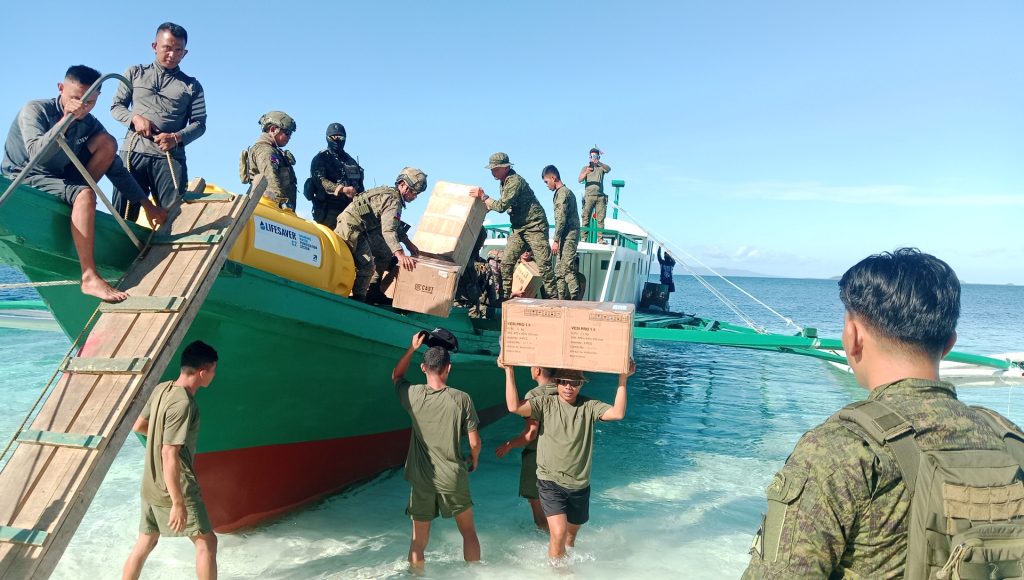
On June 17, 2025, a new chapter began for the people of Minis Island. Through the collaborative efforts of Joint Task Force Orion, the 1103rd Infantry (Kalis) Brigade, the 35th Infantry (Makamandag) Battalion, the 13th Special Forces (Knights) Company, the Service Support Battalion of the 11th Infantry Division, and their international partners — the US Civil-Military Support Element and US Marine Special Operations Task Force 511.2 — the long-awaited clean water solution was delivered.
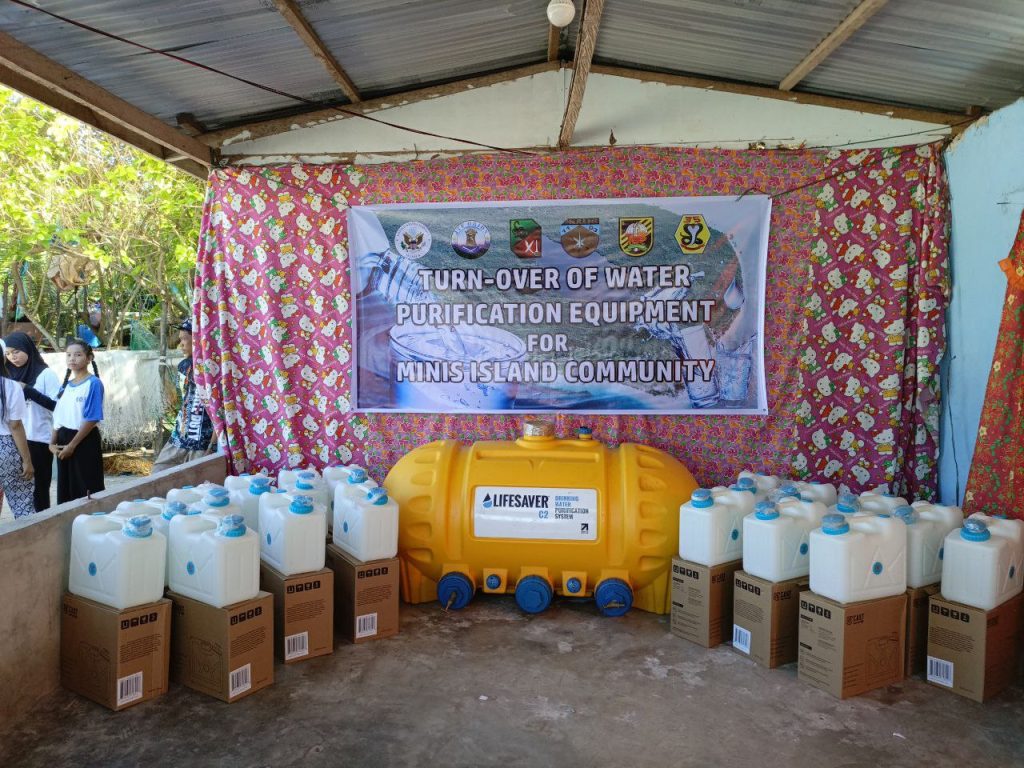
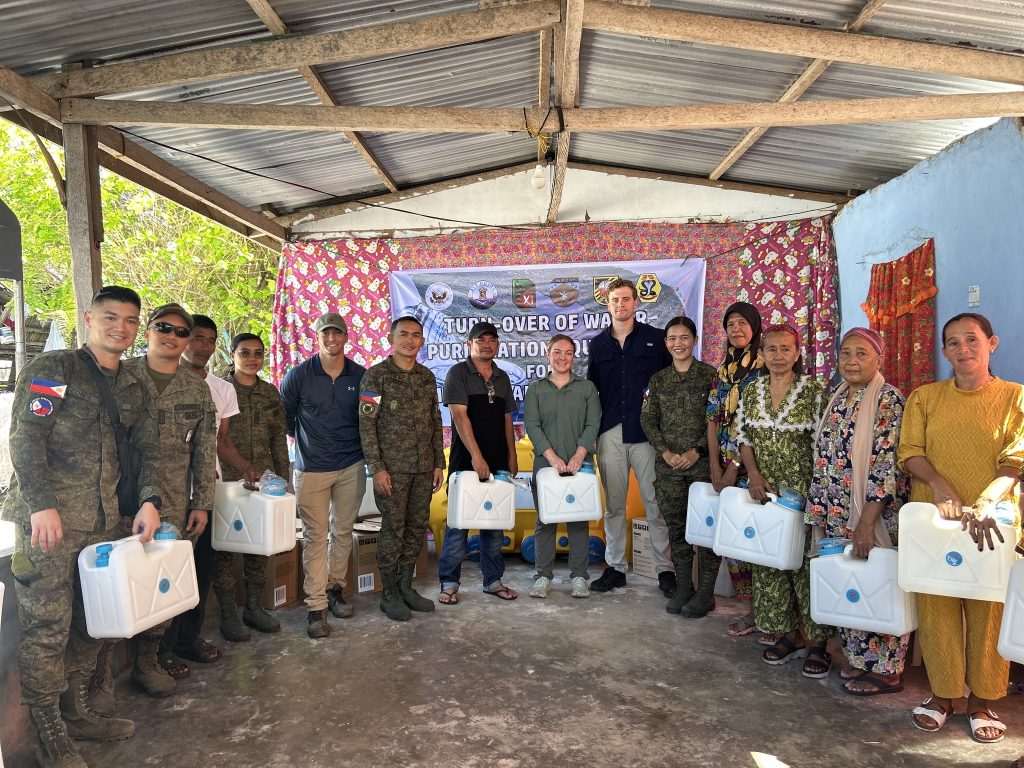
A 750-liter Lifesaver C2 Drinking Water Purification System and seventeen Water Purification Jerry Cans were formally turned over to the community of Barangay Latih Extension in a ceremony filled with emotion and gratitude. For many residents, it was a turning point — a sign that their community, once caught in the grip of conflict, was not only free but finally being empowered to thrive.
“This is not just about providing clean water,” said one of the military officials during the handover. “It’s about restoring dignity and showing the people of Minis Island that they are not forgotten.”
The project underscores the importance of civil-military cooperation in building peace and resilience in post-conflict areas. More than an infrastructure project, it is a message: that transformation is possible, and that healing from conflict requires not just disarmament, but sustained and inclusive development.
With every glass of safe water drawn from the new system, the people of Minis Island inch further away from their troubled past — and closer to a future built on peace, partnership, and progress.