
Camp Siongco, Awang, Datu Odin Sinsuat, Maguindanao del Norte — April 16, 2025
With the National and Local Elections just weeks away, the Joint Task Force (JTF) Central has once again ramped up its security measures in the Bangsamoro Autonomous Region in Muslim Mindanao (BARMM) — a move that highlights both the region’s persistent peace and order challenges and the government’s heavy reliance on military presence to safeguard the democratic process.
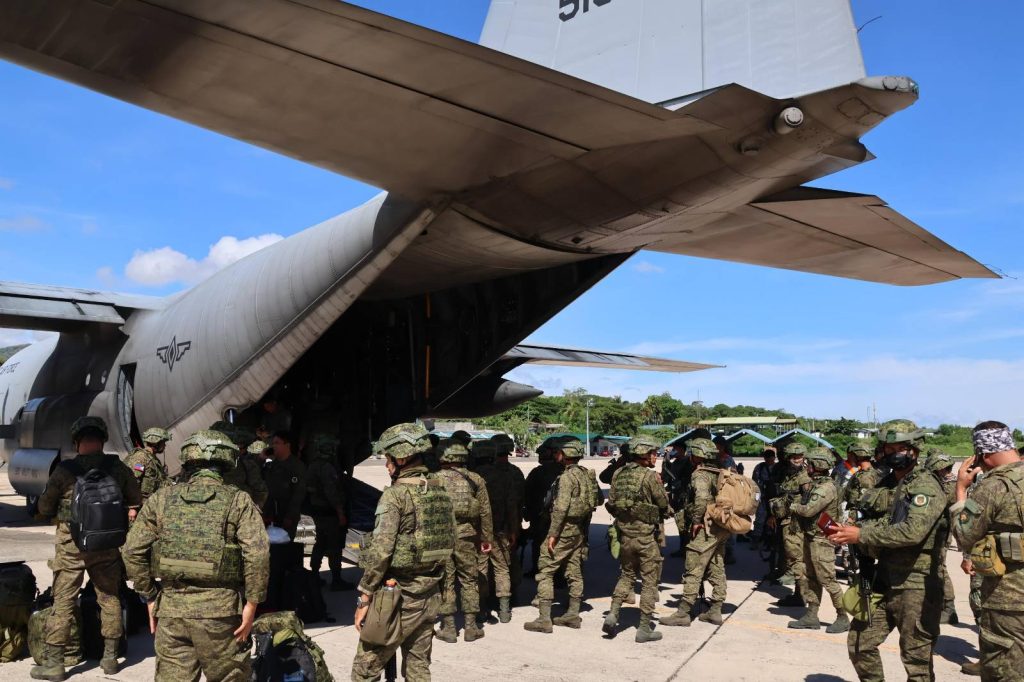
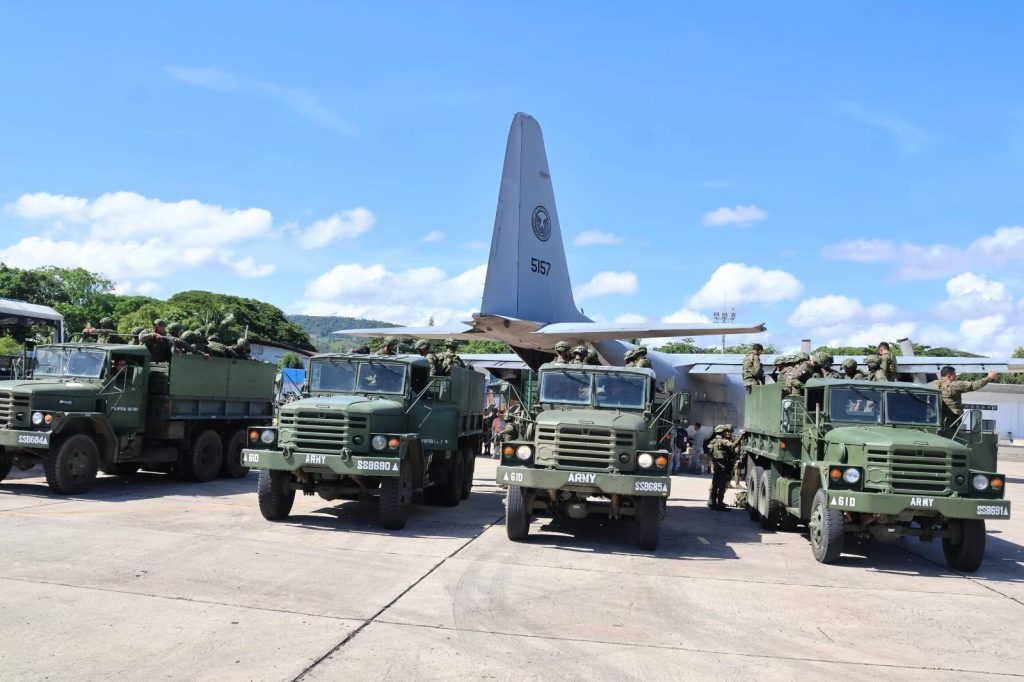
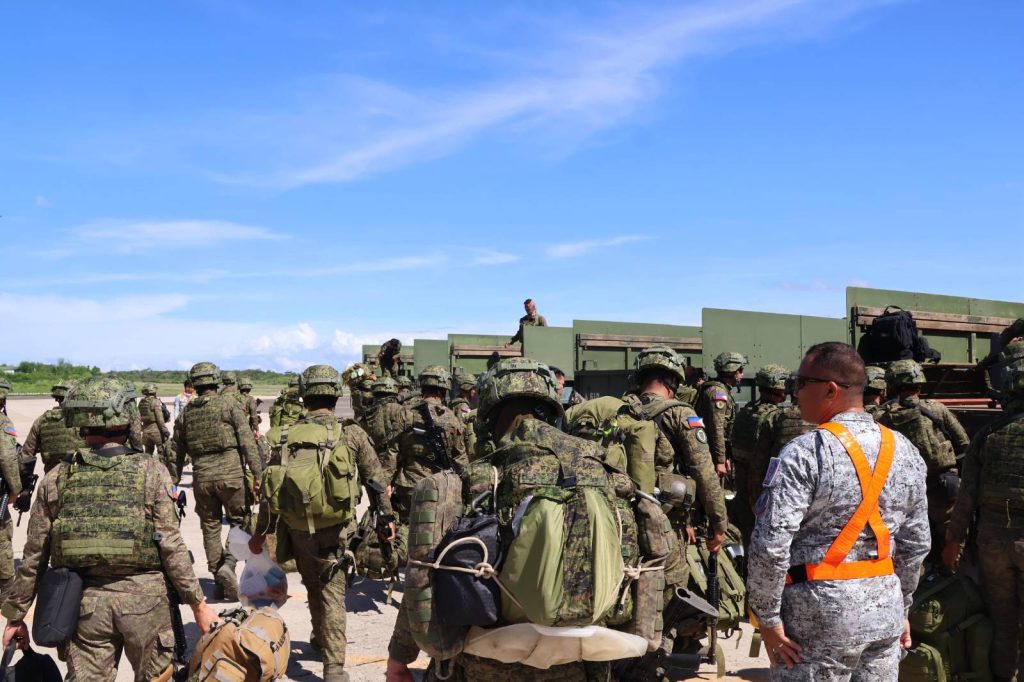
On April 15 and 16, troops from the Philippine Army’s 48th Infantry Battalion and the Armor Division’s 1st Armor Company arrived at Camp Siongco to reinforce election security operations across the provinces of Maguindanao del Norte, Maguindanao del Sur, and the Special Geographic Area (SGA).
“They will be our additional forces for security-related operations and missions in this election period. The JTF Central and 6ID will continue to assess the needs of specific areas for additional troops,” said Major General Donald M. Gumiran, Commander of JTF Central and the 6th Infantry Division.
The deployment is part of the Armed Forces of the Philippines’ (AFP) broader effort to ensure a peaceful, fair, and orderly election across the region — a task made more complex by the lingering presence of private armed groups, clan conflicts, and security threats that have long plagued BARMM’s political landscape.
It can be recalled that earlier in March, two companies from the Philippine Marines’ MBLT-6 were also assigned to the region for similar election duties, demonstrating the military’s proactive stance to prevent violence and intimidation during the electoral season.
However, while these troop deployments underscore the government’s commitment to protecting voters and upholding the electoral process, they also raise an uncomfortable question: why does BARMM remain an exception, year after year?
Unlike other regions in the Philippines, where elections are secured with minimal troop presence, BARMM requires a recurring military buildup every election cycle — a clear reminder that peace remains fragile in this part of the country. Beyond the logistical challenge, this approach diverts government resources, manpower, and funds that could otherwise be directed toward public services, infrastructure, education, and long-term development projects.
For now, the government must foot the bill for stability — a price paid in soldiers and state resources — to ensure that democracy can function in the region. But the hope remains that one day, elections in BARMM will no longer require armored vehicles, military convoys, and heavily armed patrols, but rather will thrive on empowered institutions, good governance, and a community-driven commitment to peace.
Until then, the cycle continues: soldiers deployed, ballots cast, and the true cost of security quietly deducted from the country’s future.