
DAVAO CITY / MINDANAO — Women from the Bangsa Meranaw Tribe are expected to gain new opportunities for livelihood and skills development following the turnover of sewing materials donated by the Chinese Consulate General in Davao, in an initiative aimed at promoting women’s economic empowerment and self-reliance.
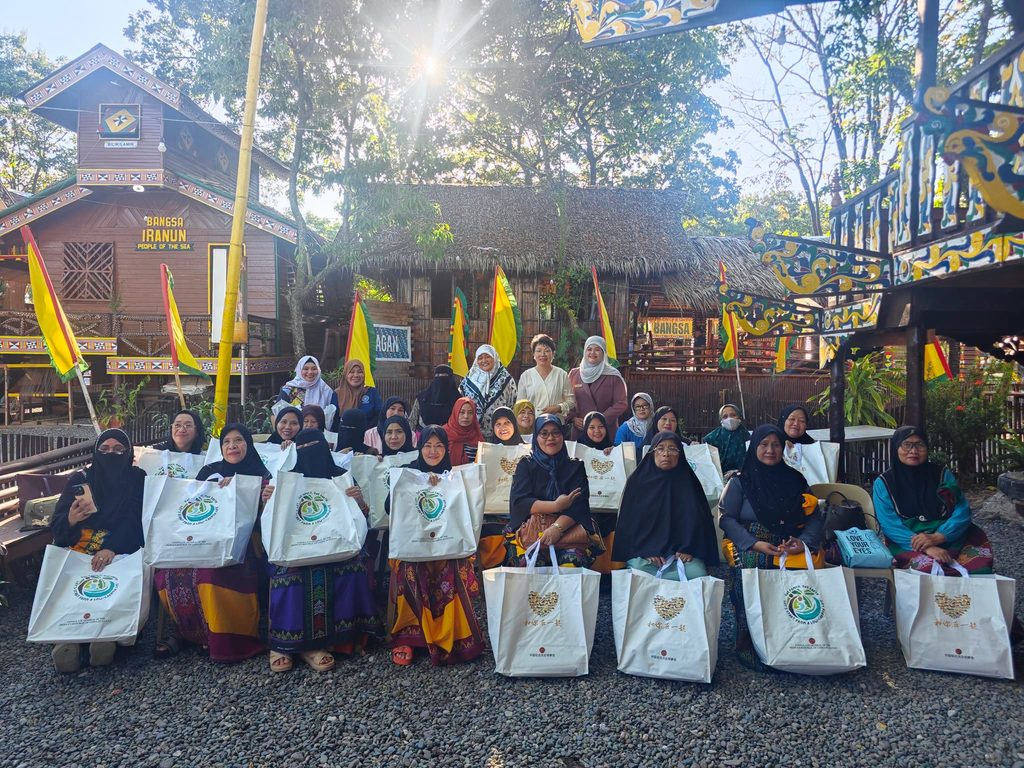
Chinese Consul General Zhao Xiuzhen attended the turnover ceremony on October 28, where she formally highlighted the potential of the donated materials to help Meranaw women acquire practical skills that could eventually provide them with sustainable sources of income.
In her remarks, Zhao expressed hope that the assistance would open opportunities for the beneficiaries to learn sewing and develop a craft they could use to improve their economic circumstances, support their families, and build greater independence.
She emphasized the importance of providing women with opportunities to develop productive skills, expressing confidence that the donated materials could help beneficiaries gain not only livelihood opportunities but also the confidence to pursue their own economic aspirations.
The initiative reflects an approach to community assistance that goes beyond the provision of material resources by seeking to equip women with practical capabilities that could translate into longer-term livelihood opportunities.
Deputy Mayor Rahima M. Usman-Polao, who attended the ceremony, thanked the Chinese Consulate General for the donation, describing it as an expression of the friendship between the two sides.
Usman-Polao also conveyed the local government’s willingness to sustain and strengthen exchanges and cooperation with the Chinese Consulate General, underscoring the importance of continued partnerships in supporting community development.
Also present during the ceremony were Najmah M. Sarip Jr. and Norhata Aday, president of the Meranaw Women’s Association.
Beyond the donation: Building opportunities for women
For the women who will benefit from the sewing materials, the assistance presents an opportunity to explore skills that may be developed into home-based enterprises, tailoring services, clothing production, or other income-generating activities.
However, the long-term impact of the initiative will depend on how the donated resources are utilized and whether beneficiaries will have access to appropriate training, mentoring, production support, and potential markets for their products.
Providing sewing equipment and materials can serve as an important starting point, but sustained livelihood development requires more than initial assistance. Skills training, access to customers, business support, and continuity of resources can help transform a donation into a viable economic opportunity.
The October 28 turnover highlights the potential of partnerships between diplomatic institutions and local communities in creating opportunities for women, particularly those seeking greater participation in livelihood and economic activities.
For the Bangsa Meranaw women, the hope is that the donated materials will become more than tools for sewing — they could serve as instruments for developing skills, building confidence, and creating pathways toward greater financial independence.