
DAVAO CITY, Philippines — The Department of Environment and Natural Resources (DENR) XI has launched an in-depth investigation into the reported destruction of 117 planted mangrove seedlings in Purok Tabok, Barangay Matina Aplaya, Davao City, as authorities work to determine what happened and identify those who may be responsible.
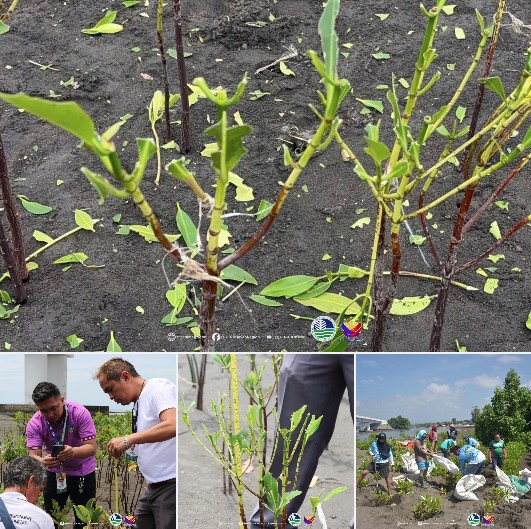
The incident was reportedly discovered after the mangrove seedlings were allegedly smashed and damaged on October 3, 2026. Personnel of the Community Environment and Natural Resources Office (CENRO) Davao City conducted an on-site inspection and assessment on October 5, documenting the extent of the reported damage.
Based on the initial inspection, 117 planted mangrove seedlings were found affected, with the condition of the plants appearing consistent with intentional damage. DENR XI, however, stressed that the circumstances surrounding the incident have yet to be fully established and that the initial findings remain subject to further verification.
The regional environment office said it is conducting a more extensive investigation that includes detailed documentation of the affected area, assessment of the damage, and the gathering of additional evidence and information that could help establish what occurred and determine accountability.
Should the investigation establish violations of environmental laws, rules, or regulations, DENR XI said appropriate legal and administrative actions will be pursued against those found responsible.
Protection of rehabilitation sites to be strengthened
DENR XI Regional Executive Director Atty. Ma. Mercedes V. Dumagan said the agency is not limiting its response to the investigation but is also looking at measures to strengthen the protection of mangrove rehabilitation sites throughout the Davao Region.
Among the proposed measures are the installation of warning signs in vulnerable areas, intensified environmental awareness campaigns, and increased monitoring in coordination with community partners and enforcement personnel.
“These measures are intended not only to help deter further damage but also to raise awareness among residents and visitors about the ecological value of mangroves, their role in protecting these coastal ecosystems, and the collective responsibility to safeguard the efforts already undertaken by individuals, organizations, and community partners,” DENR XI said.
The agency emphasized that mangroves are more than newly planted trees along the coastline. They form an important part of coastal ecosystems, helping protect shorelines, provide habitat and nursery areas for marine organisms, and contribute to the resilience of coastal communities against environmental pressures.
For DENR XI, the reported loss of 117 seedlings represents a setback not only in terms of the plants themselves but also to the broader effort to restore and protect the coastline.
Protecting a community investment
The mangrove rehabilitation area in Purok Tabok was established through the efforts of organizations, institutions, community groups, and other stakeholders involved in coastal restoration.
DENR XI recognized the commitment of these groups, noting that protecting the rehabilitation site also means protecting the time, resources, labor, and environmental stewardship invested by those who helped establish it.
The agency urged communities and stakeholders to remain vigilant and report suspected environmental violations to authorities.
As the investigation continues, DENR XI is expected to determine whether the damage was deliberate, identify the circumstances that led to the destruction of the seedlings, and establish accountability based on evidence gathered during the investigation.
The case also underscores the vulnerability of newly rehabilitated coastal areas, where the survival of planted mangroves depends not only on proper planting and maintenance but also on sustained community protection and monitoring.
DENR XI said it will continue working with communities and other stakeholders to conserve mangrove ecosystems and strengthen efforts to protect the region’s coastal resources.