
VILLANUEVA, Misamis Oriental — A steel manufacturing plant in Villanueva, Misamis Oriental underwent a joint inspection and assessment by local authorities as government agencies intensify monitoring of steel facilities across the country.
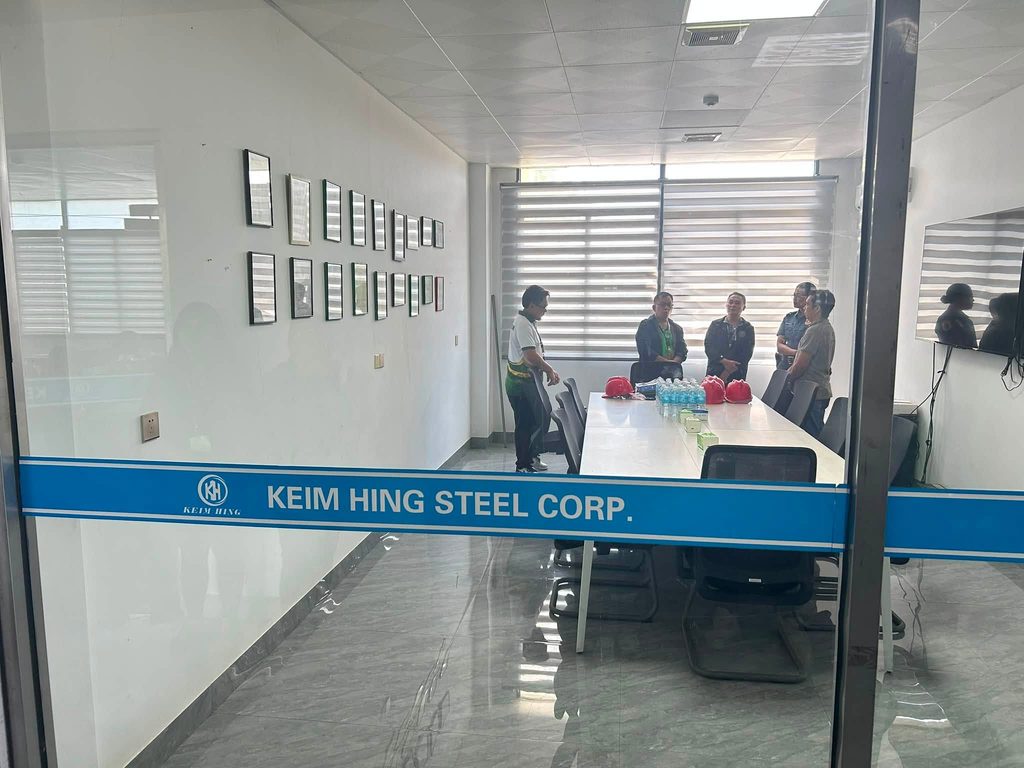
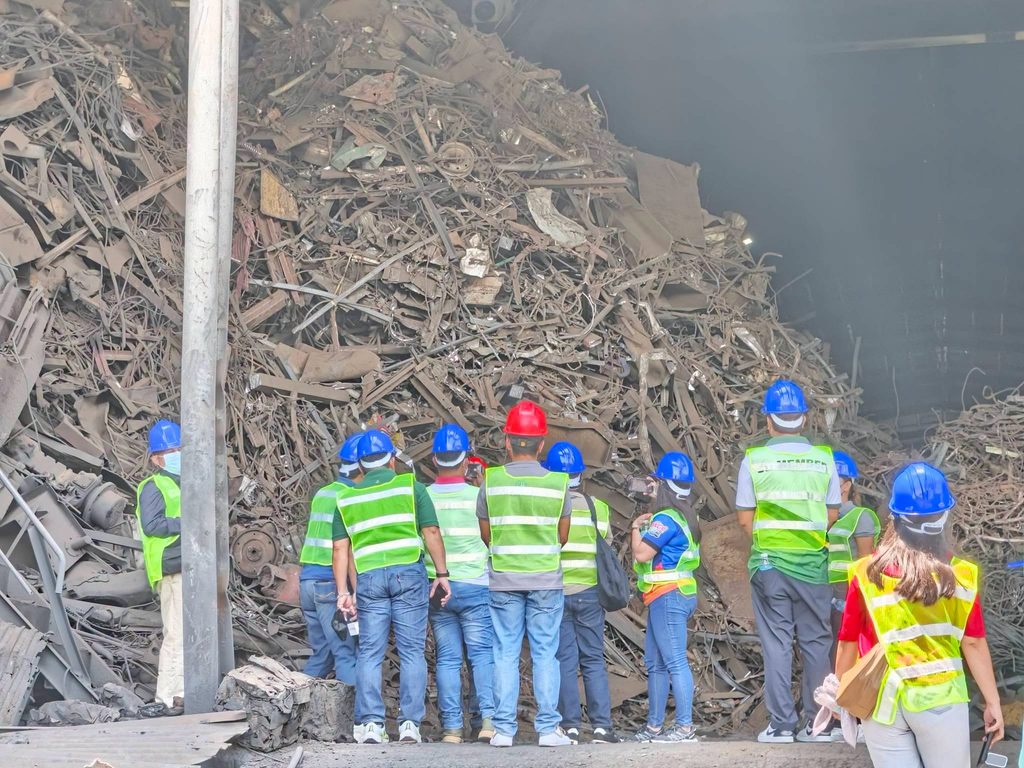
The inspection was conducted at the facility of Kiem Hing Steel Corporation in Sitio Kirahon, Barangay San Martin, Villanueva, with the participation of the Municipal Government of Villanueva, Municipal Environment and Natural Resources Office (MENRO), Bureau of Fire Protection (BFP), and Villanueva Municipal Police Station.
The operation was aimed at determining the current condition of the facility and checking whether the company is complying with applicable government regulations, particularly those concerning environmental safety, workplace conditions, fire safety, employment, and the presence of foreign workers.
Authorities inspected various aspects of the steel manufacturing operation following a series of inspections involving steel companies in different parts of the country.
Among the concerns being checked were the possible use or presence of hazardous chemicals, compliance with labor and employment regulations, and the legality of foreign nationals working inside the facility.
The company acknowledged that it employs Chinese nationals as part of its technical workforce but maintained that these employees have complete and valid documentation.
Based on information gathered during the inspection, the steel plant began operations in 2019 and occupies an area of approximately six hectares.
The facility reportedly employs around 457 workers, consisting of approximately 57 Chinese nationals and 400 Filipino employees.
The presence of hundreds of Filipino workers has also become a significant concern for the local government, which recognizes the potential economic impact should the facility be forced to suspend operations because of serious regulatory violations.
Local officials noted that the closure of the plant could affect the livelihood of around 400 Filipino workers, while also potentially reducing tax revenues and other economic contributions generated by the business in the municipality.
During the inspection, authorities also examined the materials being used in the company’s steel manufacturing process.
The company reportedly uses domestic scrap, limestone and manganese as raw materials in producing steel products, including reinforcing bars or steel bars.
One of the notable procedures conducted during the inspection was the use of a nuclear radiation detector to check the company’s steel products and determine whether the materials contained radioactive or otherwise hazardous substances.
The radiation detection formed part of the authorities’ effort to establish whether the materials being processed at the plant posed potential health or environmental risks.
The inspection team also assessed the general condition of the facility and its compliance with government requirements. The inspection was not only focused on the company’s production activities but also on concerns involving workers, workplace safety and the legality of foreign personnel employed at the plant.
The inspection comes amid heightened public and government attention on steel manufacturing facilities and the potential risks associated with improperly sourced or contaminated scrap materials, hazardous substances, and non-compliance with labor and immigration regulations.
Authorities have yet to announce any confirmed violation resulting from the Villanueva inspection.
The joint operation was primarily conducted to verify compliance and identify any deficiencies that may require corrective action.
For the local government, the inspection also carries an economic dimension. While authorities are expected to enforce environmental, labor, safety and other regulations, officials are also mindful of the potential consequences of shutting down a major employer in the municipality.
With hundreds of Filipino workers dependent on the facility for their livelihood, any enforcement action that may eventually be taken would have direct consequences for employees and their families.
At the same time, local authorities stressed the importance of ensuring that industrial operations comply with government standards to protect workers, nearby communities and the environment.
The inspection therefore serves as both a regulatory assessment and a precautionary measure to determine whether the steel manufacturing operation can continue without compromising public safety, environmental protection and compliance with Philippine laws.
Any violations established through subsequent evaluation or verification may be subject to appropriate action by the concerned government agencies.