
Flood Control Alone Cannot Solve a Climate Emergency
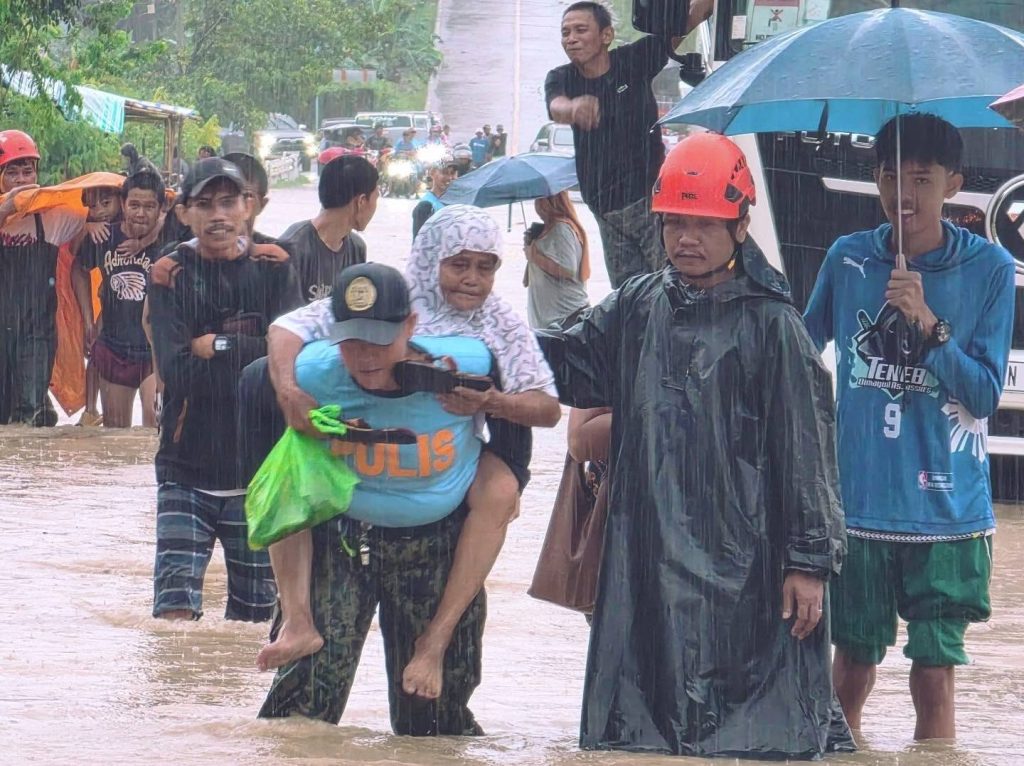
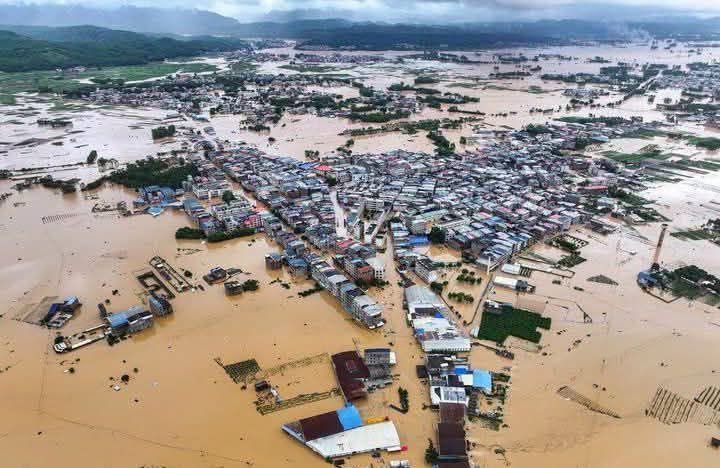
The floodwaters that engulfed communities across Mindanao this week were not isolated disasters. They were another unmistakable warning that the climate emergency is no longer a distant threat—it is unfolding now, in real time, across cities, farms, rivers, and coastal communities. From families stranded on rooftops in Davao City to overflowing rivers in Sarangani, submerged villages in Sultan Kudarat, damaged farmlands in Cotabato, and impassable roads across several provinces, the scenes that unfolded over the past several days should serve as a wake-up call for the entire nation. While Severe Tropical Storm Kiyapo and the intensified southwest monsoon (Habagat) triggered the heavy rainfall, the scale of the destruction reflects a far deeper problem than weather alone.
Beyond Extreme Rainfall
Climate change is undeniably intensifying weather systems around the world. Scientific evidence has consistently shown that a warmer atmosphere can hold more moisture, leading to heavier rainfall and increasingly intense weather events. However, rain by itself does not automatically become a disaster. Floods become catastrophic when natural systems that once absorbed, slowed, and stored water have already been degraded through decades of deforestation, watershed destruction, wetland reclamation, uncontrolled urban expansion, and poor land-use planning. The recent flooding across Mindanao demonstrates how these long-standing environmental issues, compounded by climate change, continue to magnify the impacts of every major rainfall event.
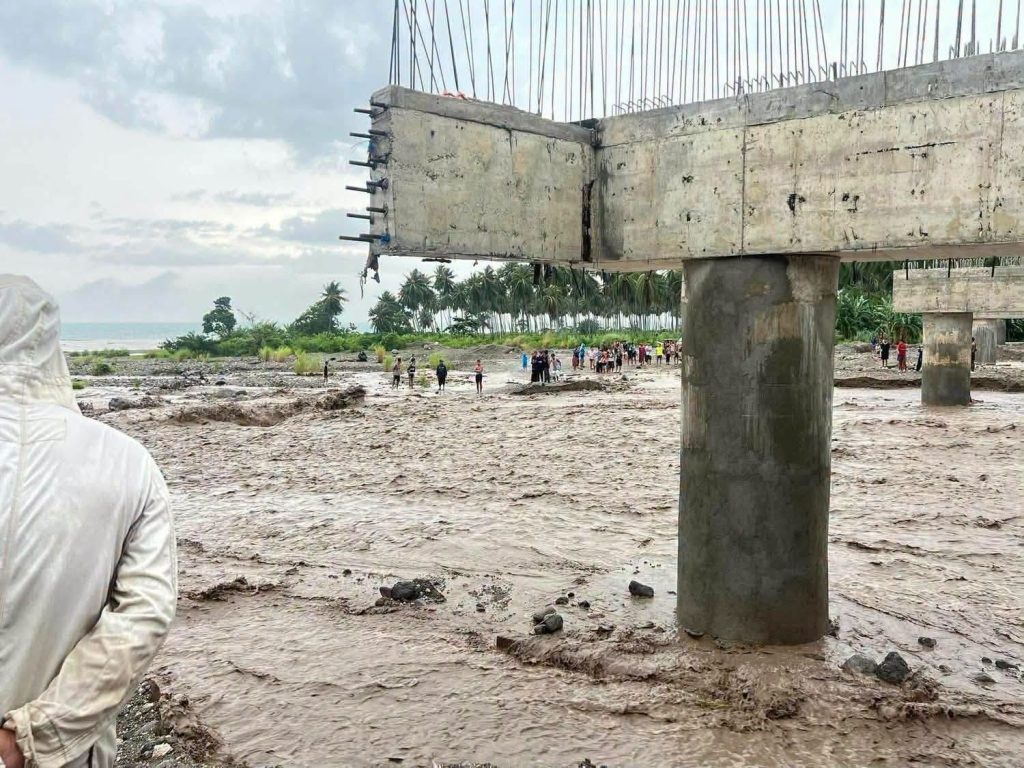
In Davao City, emergency responders worked through the night to rescue residents trapped by rapidly rising floodwaters in Bangkal, Matina, Talomo, and Los Amigos. In Sarangani Province, hundreds of families sought refuge in evacuation centers as rivers reached critical levels and roads and bridges became impassable. In Antipas, Cotabato, flooding and landslides destroyed agricultural lands, while in Lambayong, Sultan Kudarat, floodwaters rose to waist level before dawn, forcing families to evacuate using boats. Although there were fortunately few reported casualties, these events disrupted livelihoods, transportation, education, agriculture, and local economies across multiple provinces.
The Limits of Concrete Solutions
After every major flood, the national conversation often returns to one familiar solution: constructing more flood control projects. New drainage systems, floodwalls, river dikes, pumping stations, and concrete channels are frequently presented as the government’s primary response to recurring flooding. While these structures undoubtedly play an important role in protecting densely populated urban centers, treating flood control infrastructure as the principal climate adaptation strategy overlooks the complexity of the problem.
Engineering solutions are designed to manage water that has already entered river systems or urban landscapes. They cannot restore degraded watersheds, replace forests that regulate rainfall, revive wetlands that naturally store floodwaters, or rebuild mangrove forests that buffer coastal communities. Concrete infrastructure can redirect floodwaters, but it cannot replace the ecological functions that healthy ecosystems have provided for centuries.
The increasing frequency and severity of flooding despite decades of investment in flood control infrastructure should prompt a critical reassessment of whether current strategies are sufficient. Infrastructure remains essential, but it represents only one component of a comprehensive climate adaptation framework.
What Science Has Been Saying
For years, leading scientific and international organizations have consistently emphasized that addressing climate change requires working with nature rather than against it. The Intergovernmental Panel on Climate Change (IPCC), the United Nations Environment Programme (UNEP), the International Union for Conservation of Nature (IUCN), and the Food and Agriculture Organization (FAO) have all identified Nature-based Solutions (NbS) as essential tools for climate adaptation and disaster risk reduction.
Nature-based Solutions involve protecting, restoring, and sustainably managing ecosystems so that they continue providing services that reduce disaster risks while supporting biodiversity and human well-being. Healthy forests reduce surface runoff by allowing rainwater to infiltrate the soil. Wetlands temporarily store excess water during periods of intense rainfall. Mangrove forests lessen storm surges and coastal flooding, while vegetated riverbanks stabilize soil and reduce erosion. These natural systems function as living infrastructure, often delivering multiple environmental and economic benefits simultaneously.
Rather than replacing engineered infrastructure, Nature-based Solutions complement traditional engineering by addressing the root causes of flooding instead of merely managing its consequences.
Mindanao’s Ecological Importance
Mindanao occupies a unique position within the Philippines. Often described as the country’s last ecological frontier, the island contains some of the nation’s largest remaining forest landscapes, extensive mountain ranges, major river basins, wetlands, and critical biodiversity areas. These ecosystems not only support millions of residents but also regulate water systems that sustain agriculture, fisheries, hydropower generation, and domestic water supplies.
Despite its ecological significance, Mindanao continues to face extensive environmental pressures from deforestation, unsustainable land conversion, watershed degradation, and rapid urbanization. At the same time, many observers have long argued that the island receives a disproportionately smaller share of national development investments compared with its strategic importance. This imbalance becomes increasingly significant as climate change accelerates, placing greater pressure on already vulnerable communities and ecosystems.
The repeated flooding experienced by many Mindanao provinces should therefore not be viewed solely as a local concern but as a national climate resilience issue that requires greater attention and sustained investment.
The Cost of Reactive Governance
The professionalism and dedication displayed by disaster responders during every emergency deserve recognition. Search-and-rescue teams, local disaster risk reduction offices, firefighters, police personnel, volunteers, and community organizations consistently place themselves at risk to protect lives. Likewise, local governments have significantly improved early warning systems, evacuation protocols, and emergency coordination over recent years.
However, disaster response represents the final stage of risk management rather than its beginning. When rescue boats become the most visible symbol of government action, it often reflects the reality that preventive measures have been insufficient.
Too often, public attention peaks during disasters and fades once floodwaters recede. Emergency assistance is distributed, damaged infrastructure is repaired, and new flood control projects are proposed. Yet fundamental issues such as degraded watersheds, illegal logging, environmentally destructive land conversion, weak land-use regulation, and inadequate ecosystem restoration remain largely unresolved. This reactive cycle continues to repeat itself after every major weather disturbance.
Toward Integrated Climate Adaptation
The growing impacts of climate change demand a broader and more integrated approach to climate adaptation. Engineering solutions should remain part of the strategy, particularly for highly urbanized and densely populated areas. However, they must be complemented by substantial investments in ecosystem restoration and sustainable land management.
Protecting remaining forests, rehabilitating degraded watersheds, restoring wetlands and mangrove forests, enforcing environmental regulations, promoting climate-resilient agriculture, improving urban green infrastructure, and strengthening science-based land-use planning should become national priorities. These interventions not only reduce flood risks but also improve water security, biodiversity conservation, agricultural productivity, and long-term economic resilience.
Climate adaptation must also be integrated across sectors, ensuring that infrastructure planning, housing development, transportation, agriculture, education, and local governance all consider future climate risks rather than historical weather patterns alone.
A Call for Urgent National Action
The recent floods across Mindanao should not be dismissed as another seasonal weather event. They are clear manifestations of a changing climate interacting with decades of environmental degradation and development decisions that have weakened natural defenses against disasters.
Unless the Philippine government makes a decisive shift from predominantly reactive disaster management toward proactive climate resilience, the country will continue to face escalating humanitarian, economic, and environmental losses. Flood control infrastructure will remain necessary, but it must no longer be viewed as the singular answer to increasingly complex climate challenges. Nature-based Solutions, supported by sound science, stronger environmental governance, and sustained public investment, must become central pillars of national adaptation policy.
Mindanao’s repeated flooding is more than a regional concern—it is a warning for the entire country. Every flood that devastates communities, destroys livelihoods, damages infrastructure, and disrupts food production reminds us that climate change is already reshaping the Philippines. The question is no longer whether the impacts will intensify, but whether the nation is willing to respond with the urgency, foresight, and comprehensive action that this defining challenge demands.