
MARAWI CITY, Lanao del Sur (April 15, 2026) — A tragic incident claimed the lives of five children who drowned in a water impounding area in Phase 2 Permanent Shelter, Barangay Paronongan, late Wednesday morning, authorities confirmed.
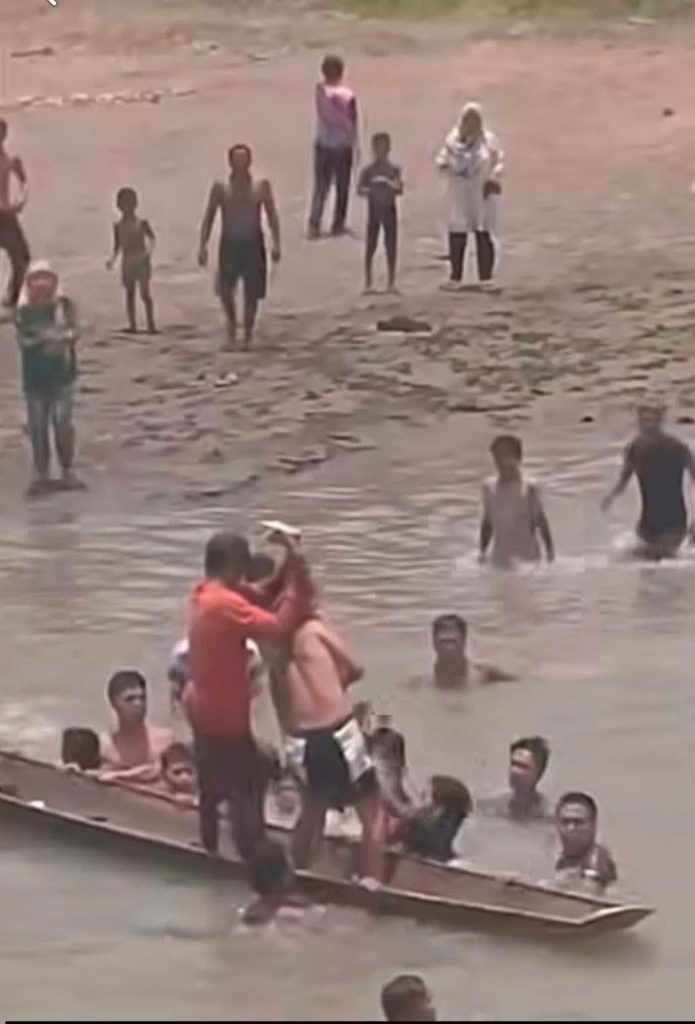
According to Colonel Caesar Cabuhat, the incident occurred shortly after 11:00 a.m. and stemmed from what began as a simple play activity among a group of children.
Initial police reports revealed that an 8-year-old girl, identified only as alias “Fatima,” was playing on a makeshift raft fashioned from the door of a broken refrigerator. While on the water, the child reportedly lost her balance and appeared to be drowning.
Seeing her in distress, five of her playmates immediately attempted to rescue her. However, the situation quickly turned tragic as all five children, who reportedly did not know how to swim, also drowned in the process.
The fatalities were identified through aliases as Ramiya, 11; Norul, 10; Raman, 9; Nisran, 11; and Sallah, 7.
They were rushed to Amai Pakpak Medical Center, but attending physicians declared all five children dead on arrival. Fatima, meanwhile, survived the incident and is now reported to be in safe condition.
The deaths have cast a pall of grief over the community, with families and neighbors mourning the sudden loss of the young victims. In accordance with Islamic traditions, the children were laid to rest in a joint burial shortly after the incident.
Authorities have renewed calls for heightened vigilance among parents and guardians, particularly in communities where open water sources such as ponds, rivers, and impounding areas are accessible to children.
Cabuhat urged residents to ensure that such areas are regularly inspected and secured to prevent similar tragedies. He also emphasized the importance of close supervision of minors and discouraging unsupervised play in potentially hazardous environments.
The incident underscores ongoing concerns about safety in resettlement areas, where improvised structures and unsecured water impounding facilities may pose risks, especially to children.