
In the southernmost reaches of the Philippines lies a province that remains largely hidden from the public eye yet holds extraordinary ecological importance: Tawi-Tawi. Composed of small islands at the edge of the Sulu Archipelago, Tawi-Tawi is one of the country’s last true frontiers of biodiversity—an irreplaceable natural treasure whose forests, wildlife, and ecosystems are only beginning to be understood.
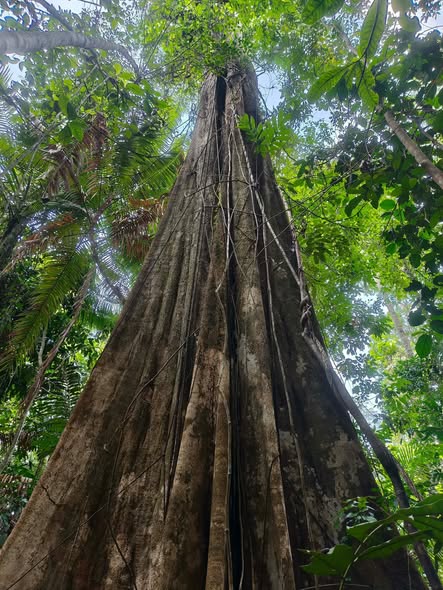

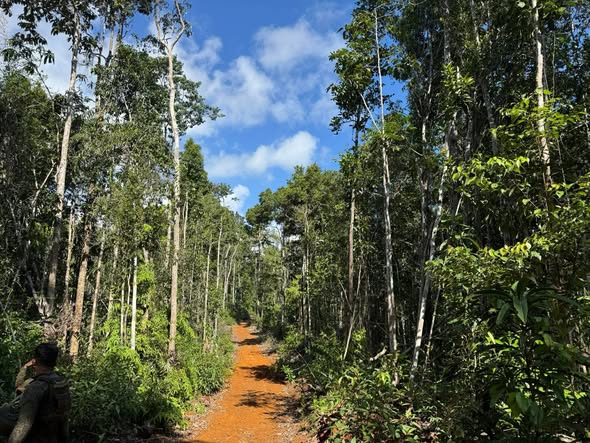
For over a century, much of Tawi-Tawi’s forests received little scientific attention. Today, thanks to the dedication of conservationists and researchers, these landscapes are finally being studied in depth. Among the most remarkable discoveries is the province’s ultramafic forest—an ecosystem growing on mineral-rich, metal-heavy soils that produce a unique forest structure. To the untrained eye, these forests may appear degraded, but in truth, they represent a rare and highly specialized habitat supporting plants and animals found nowhere else.
This renewed exploration is being led and supported by the Philippines Biodiversity Conservation Foundation, Inc. (PBCFI) and its partners, whose long-term commitment to scientific research and conservation has brought global attention to Tawi-Tawi’s ecological value.
A Refuge for the World’s Rarest Species
Among the most iconic inhabitants of Tawi-Tawi is the Sulu Hornbill—widely considered one of the rarest hornbills on Earth and now known to survive only on these islands. Its fate is inseparable from the fate of Tawi-Tawi’s forests.
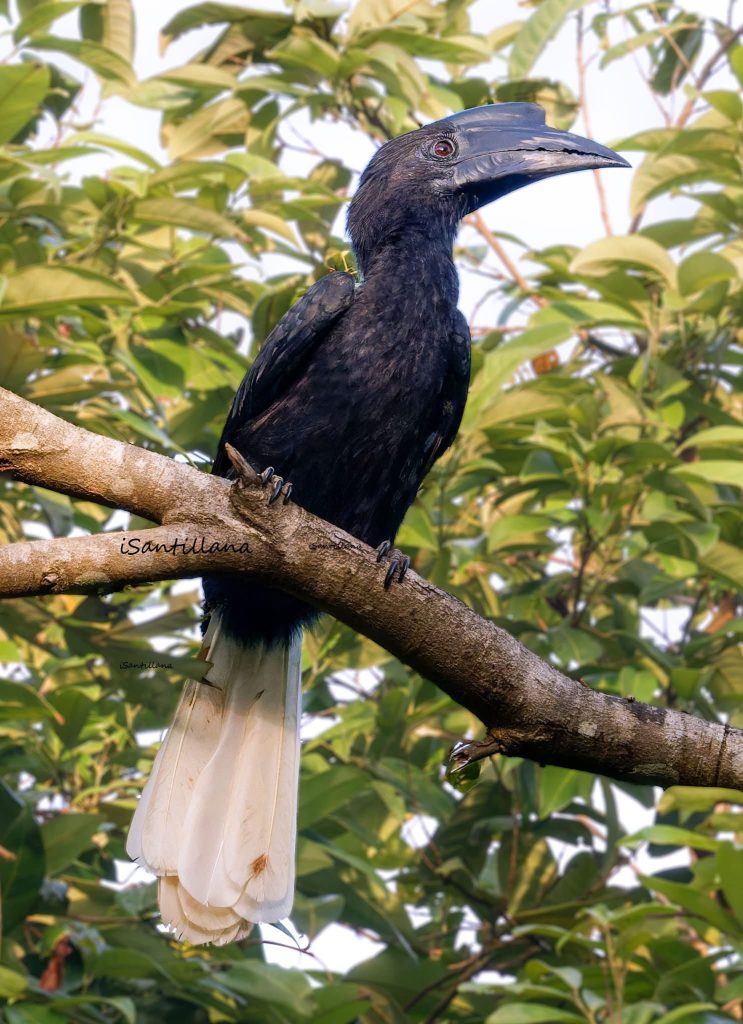
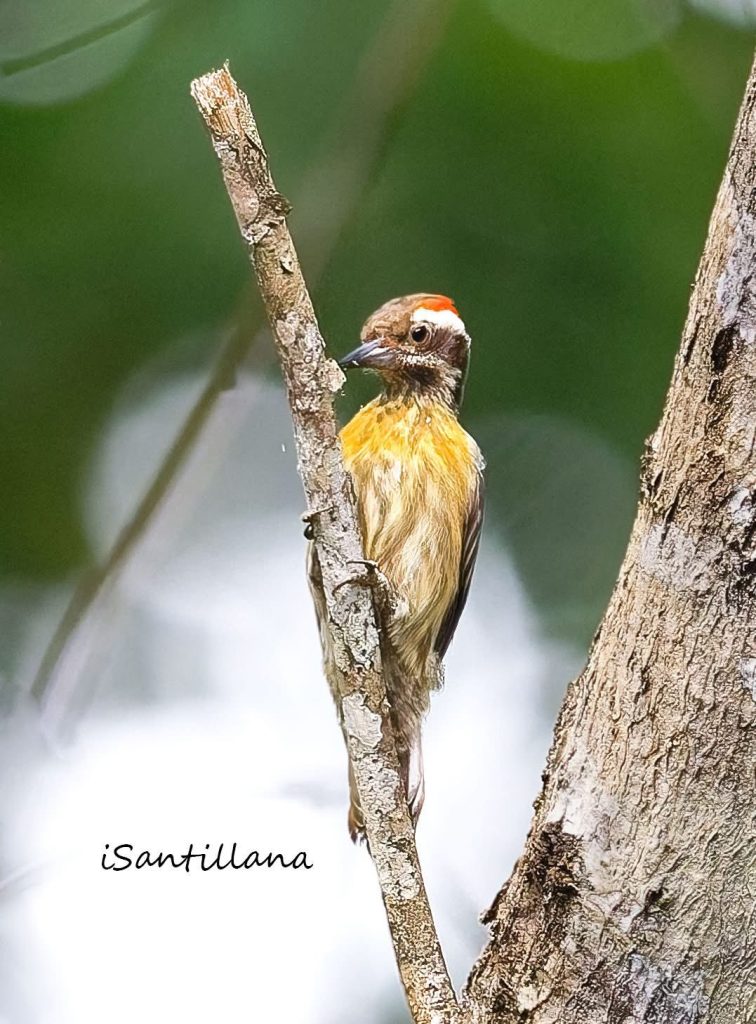
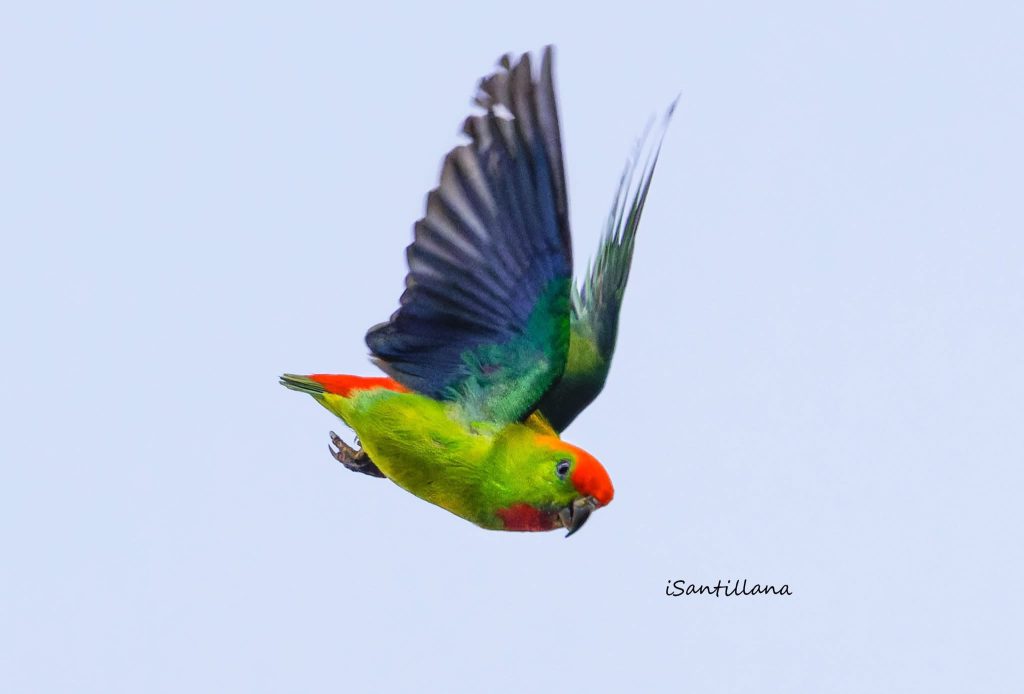
The study of this critically endangered species is being led by Andrew Ross Reintar of PhilBio, in collaboration with the National Centre for Biological Sciences (NCBS) and the Bangsamoro Ministry of Environment, Natural Resources, and Energy (MENRE) in Tawi-Tawi.
International experts have also contributed significantly, including Aparajita Datta of the Nature Conservation Foundation and the IUCN Hornbill Species Specialist Group, as well as Vivek Ramachandran of NCBS.
Their collective expertise has strengthened local conservation programs and helped develop strategies to safeguard both the hornbill and its forest habitat.
A Living Laboratory of Plants and Forest Ecosystems
Tawi-Tawi retains a significant amount of forest cover—much of it still unexplored. Field surveys have revealed abundant pitcher plants and flowering species with distinctive forms and adaptations. Many of these plants may represent new records or even species new to science.
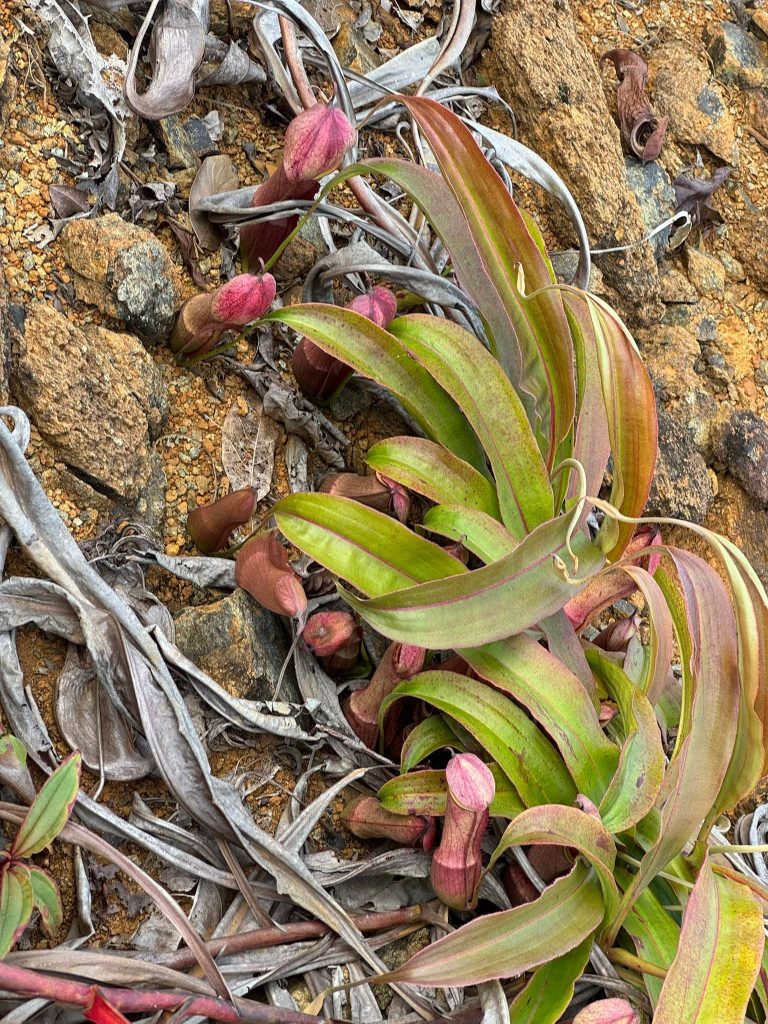
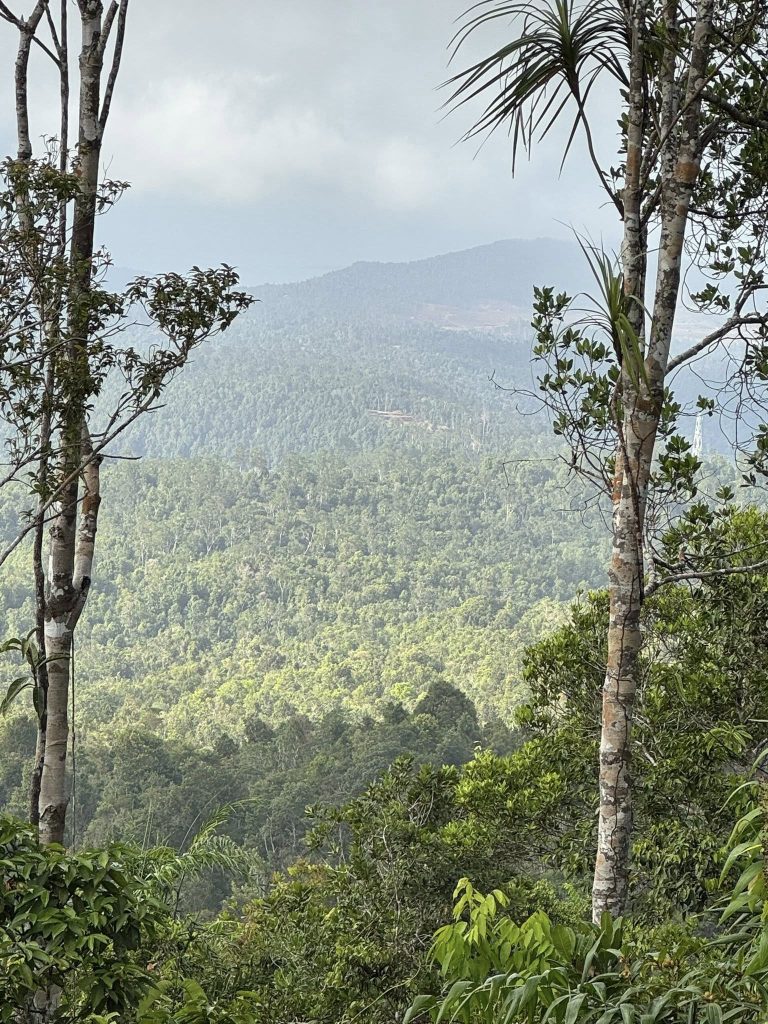

Through joint expeditions, MENRE, PhilBio, NCBS, and local partners have been documenting fruiting and flowering cycles, mapping forest types, and gathering baseline data for long-term conservation planning. These efforts are crucial, as the province’s ecosystems differ markedly from those found in Luzon, Visayas, or even mainland Mindanao.
Some forests in Tawi-Tawi were logged in the 1970s. While nature has shown remarkable resilience and many areas have regenerated, scientists still do not know whether the original plant and animal communities have fully recovered. Without proper protection, these fragile ecosystems could once again be pushed to the brink.
Why Tawi-Tawi Matters in a Global Context
The Philippines is recognized as one of the world’s 17 mega-biodiversity countries, despite its relatively small land area. This status is largely due to its island geography: thousands of islands separated by seas, each evolving its own unique life forms.
Nowhere is this more evident than in Tawi-Tawi and Sulu. Many species here are “single-island endemics,” meaning they exist in only one small geographic area. A single forest patch may host species found nowhere else on Earth.
This extraordinary concentration of life makes Tawi-Tawi a global conservation priority. If its forests disappear, entire species will vanish with them—forever.
Science, Skills, and Community at the Frontline
Beyond biodiversity surveys, conservation work in Tawi-Tawi also focuses on building local capacity. Activities such as camera-trapping training, biodiversity monitoring, and ecological research workshops have been conducted with guidance from international experts.
These initiatives are supported by partners such as the Wildlife Conservation Network, the Rufford Foundation, and the Oriental Bird Club, among others.
Equally important is the role of local communities, forest guides, field assistants, and security partners, including the Philippine Marines, who ensure the safety and success of expeditions in remote areas.
Researchers consistently emphasize the generosity, hospitality, and cooperation of Tawi-Tawi’s people. Their participation is not merely supportive—it is central to the long-term success of conservation.
A Season of Discovery and Hope
During recent field seasons, researchers witnessed breathtaking scenes: dense forests alive with insects and birds, rare plants flowering in hidden clearings, and flocks of Sulu Hornbills gathering at dusk. One memorable observation recorded a group of at least 17 individuals—the largest known flock in recent years—offering renewed hope for the species’ survival.
Preliminary findings have already been presented to local stakeholders, marking the beginning of a more inclusive and science-based approach to conservation. Yet all involved agree: this is only the start.
Much remains unknown. Vast tracts of forest have never been surveyed. Countless species are yet to be documented. The true ecological value of Tawi-Tawi is still unfolding.
Protecting One of the Nation’s Last Frontiers
Tawi-Tawi stands today at a crossroads.
On one path lies continued research, strong environmental governance, community-based stewardship, and sustainable development—ensuring that forests, wildlife, and livelihoods thrive together.
On the other lies unchecked exploitation, habitat loss, and irreversible decline.
Protecting Tawi-Tawi is not only a regional concern; it is a national and global responsibility. As one of the Philippines’ last ecological frontiers, it represents a living archive of evolution, culture, and resilience.
Honoring the Stewards of Tawi-Tawi’s Future
This growing body of knowledge and conservation action is made possible through the tireless work of the Philippines Biodiversity Conservation Foundation, Inc. (PBCFI), PhilBio, NCBS, MENRE Tawi-Tawi, local governments, private partners, international donors, and—most importantly—the people of Tawi-Tawi.
Their shared vision affirms a powerful truth: safeguarding biodiversity is not merely about protecting plants and animals. It is about securing food systems, water sources, climate resilience, cultural heritage, and the future of generations yet to come.
A Call to Protect What Remains
Tawi-Tawi is more than a remote province. It is a sanctuary of rare life, a center of scientific discovery, and a symbol of hope in a time of environmental crisis.
As its forests slowly unveil their secrets, one message becomes clear: we cannot afford to lose this place.
By strengthening conservation, supporting science, empowering communities, and honoring nature’s limits, Tawi-Tawi can remain what it is today—one of the Philippines’ most extraordinary natural legacies and a beacon of biodiversity for the world.
This article credits and honors the conservation and research efforts of the Philippines Biodiversity Conservation Foundation, Inc. (PBCFI) and its partners in advancing the protection of Tawi-Tawi’s irreplaceable natural heritage.