
Mindanao’s Unfinished Fight Against Floods, Neglect, and Forgotten Promises
A Painful Return to Tragedy
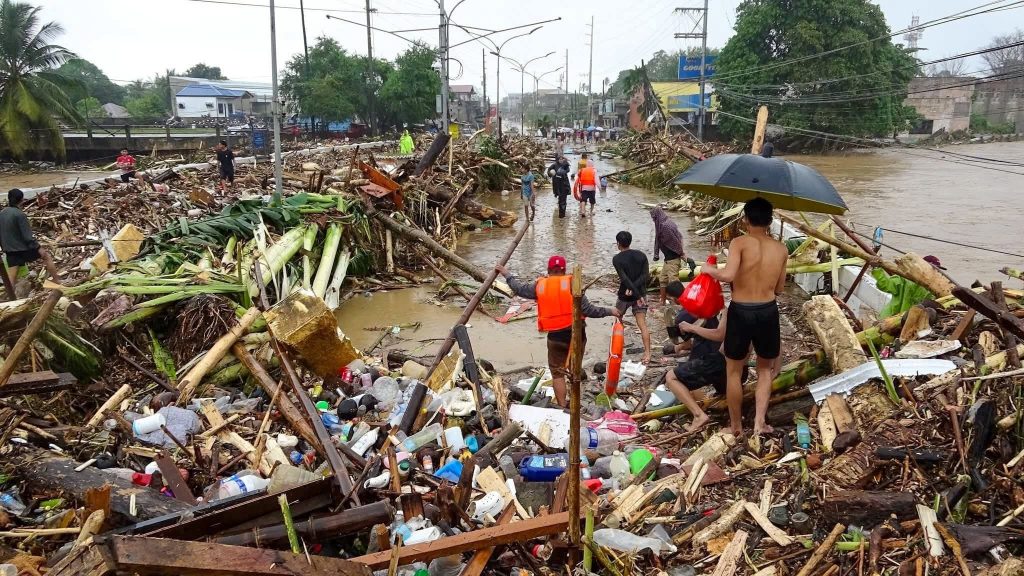
Fifteen years after Tropical Storm Sendong drowned communities in Cagayan de Oro and Iligan, another storm arrived and reopened old wounds. Basyang did not claim thousands of lives, but it flooded homes, destroyed livelihoods, displaced families, and exposed how vulnerable Mindanao still is. Rivers overflowed, streets turned into waterways, and families once again fled in darkness and fear. Mud replaced furniture, memories, and dignity. Authorities assured the public that they were “monitoring the situation,” a line that has become painfully familiar in every disaster.
A Crisis We Were Warned About
Basyang did not come without warning. Weather agencies issued advisories. Disaster offices were alerted. Forecasts were publicly available. Yet when floodwaters rose, many communities were caught off guard. Evacuations were rushed. Some residents hesitated, thinking the storm would not be severe. Others had nowhere safe to go. This reveals a persistent weakness in disaster governance: preparedness in Mindanao remains largely reactive. Drills are irregular, communication is inconsistent, and equipment is limited. Too often, readiness exists only in reports and presentations, not in everyday life.
Sendong’s Unfinished Lessons
Sendong was supposed to change everything. It was one of the deadliest storms in Philippine history, killing more than a thousand people and wiping out entire barangays. In its aftermath, leaders promised reform. Relocation sites were built. No-build zones were declared. Disaster plans were drafted. Budgets were allocated. For a while, progress seemed possible. But over time, attention shifted. Projects slowed. Enforcement weakened. Political interests interfered. Informal settlements quietly returned to danger zones. Watersheds continued to be degraded. The urgency faded, and with it, the promise of lasting change.
Flood Control That Failed to Protect
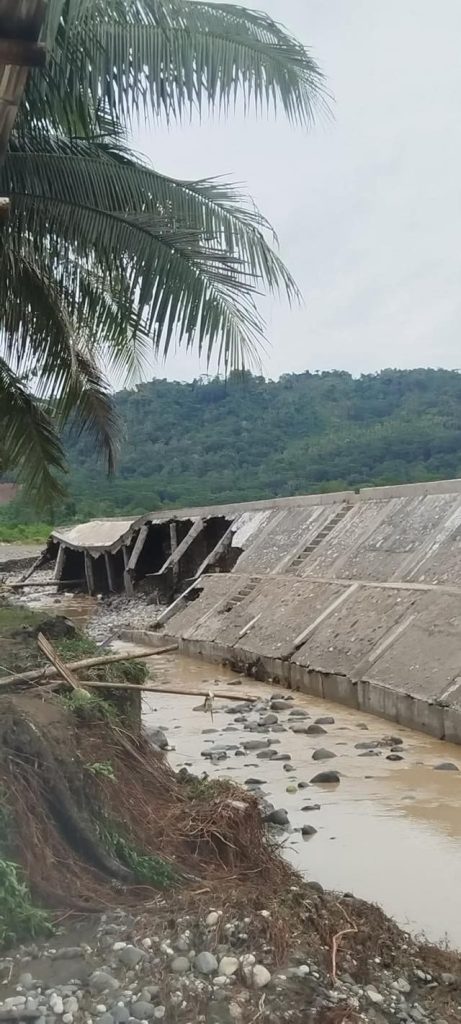
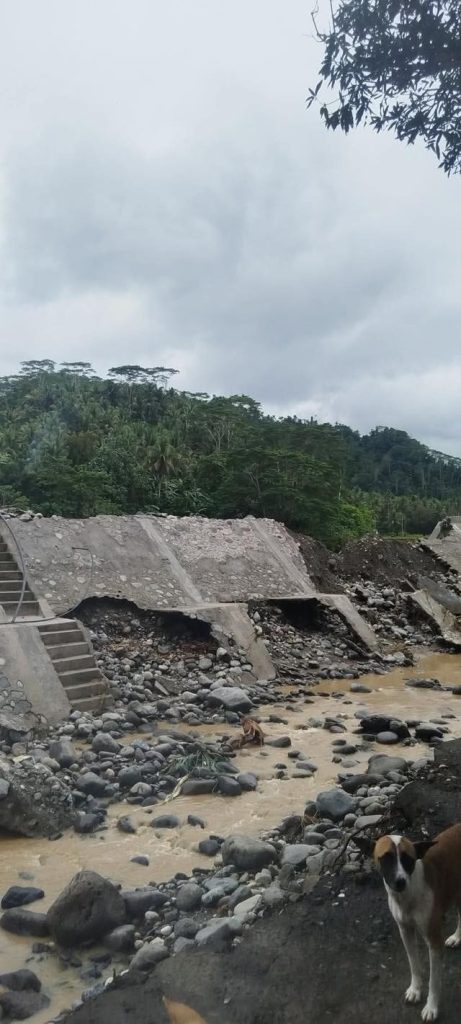
After Sendong, billions of pesos were earmarked for flood control projects, including dikes, drainage systems, and river dredging. Some were completed, but many were delayed, poorly maintained, or never finished. Today, rivers remain clogged with silt and garbage. Drainage systems cannot handle intense rainfall. Floodplains are filled with concrete. Forest cover continues to decline. Flood control has been treated as a series of construction projects rather than a comprehensive environmental strategy. Without protecting watersheds and regulating land use, no amount of concrete can stop disaster.
Urban Development in Dangerous Places
In Cagayan de Oro, Iligan, and many other Mindanao cities, people continue to live in flood-prone and landslide-prone areas. Informal settlements line riverbanks. Houses cling to unstable slopes. Commercial buildings block natural waterways. This is not merely the result of poverty, but of weak governance. Zoning laws are compromised. Environmental regulations are bent. Unsafe developments are tolerated for political convenience. Relocation is postponed because it is difficult and unpopular. As a result, the same communities are evacuated repeatedly, trapped in a cycle of risk and recovery.
Preparedness Without a Culture of Safety
Despite having disaster risk reduction offices, many communities still lack basic preparedness. Children do not always know evacuation routes. Barangay rescue teams are under-equipped. Warning systems do not reach everyone. Drills are sporadic. Evacuation centers are sometimes inadequate. Preparedness must be built into daily life, taught in schools, practiced in communities, and supported by real resources. Without a strong culture of safety, every storm becomes a gamble with human lives.
Relief and Response That Lag Behind
After every disaster, the same cycle follows: emergency declarations, relief distributions, damage assessments, and appeals for donations. Basyang followed this familiar script. Thousands remain in evacuation centers. Many families are still waiting for adequate support. Livelihood assistance is slow. Reconstruction takes years. While coordination has improved since Sendong, response remains largely reactive. The government continues to spend heavily on relief, while prevention and mitigation remain underfunded. This imbalance ensures that communities are always rebuilding instead of becoming safer.
A Changing Climate, Outdated Systems
Basyang must be understood in the context of climate change. Rainfall is becoming more intense. Storm patterns are more unpredictable. Areas once considered safe are now vulnerable. Mindanao can no longer rely on the illusion that it is sheltered from major disasters. Sendong shattered that myth. Basyang confirmed it. Yet policies, infrastructure, and planning systems have not kept pace with this new reality. We are confronting modern climate risks with outdated approaches.
The Missing Accountability
One reason the same problems persist is the absence of accountability. After disasters, investigations are promised and reports are produced. But rarely do these lead to meaningful consequences. Delayed projects go unpunished. Substandard infrastructure remains in use. Negligence is forgotten. Officials move on. Without accountability, failure becomes routine. Without consequences, reform becomes impossible.
Lives Behind the Statistics
Behind every number in disaster reports is a human story. There is a mother who lost her small store, a farmer whose crops were washed away, a student who dropped out because the family lost everything, and a child who now fears every heavy rain. Disasters do not end when floodwaters recede. Trauma, debt, and poverty linger for years. Recovery is slow, painful, and often incomplete.
What Real Change Requires
If Basyang is to mean anything beyond another tragic headline, it must force serious reform. This requires sustained investment in flood control and watershed protection, strict enforcement of land-use laws, science-based urban planning, strong community preparedness, transparent monitoring of projects, and real accountability. It requires shifting resources from emergency response to long-term resilience. These reforms cannot be postponed until the next storm.
Mindanao Deserves More Than Survival
The people of Cagayan de Oro and Iligan are resilient. They rebuild, support one another, and endure. But resilience should not mean permanent suffering. It should mean living in cities that are safe, well-planned, and protected by competent institutions. Fifteen years after Sendong, Mindanao should have been a model of disaster preparedness. Instead, Basyang reminded us how far we still have to go. We owe it to the dead, the survivors, and the next generation to end this cycle. Let this be the last time we say we were not ready.