
MABINI, DAVAO DE ORO — Beneath the turquoise waters of the Davao Gulf, a vital underwater sanctuary is quietly flourishing. The Department of Environment and Natural Resources (DENR) Region XI, through the Provincial Environment and Natural Resources Office (PENRO) of Davao de Oro, has confirmed that the coral reefs within the Mabini Protected Landscape and Seascape (MPLS) are in excellent ecological condition, reaffirming the area’s status as one of Mindanao’s most important marine strongholds.
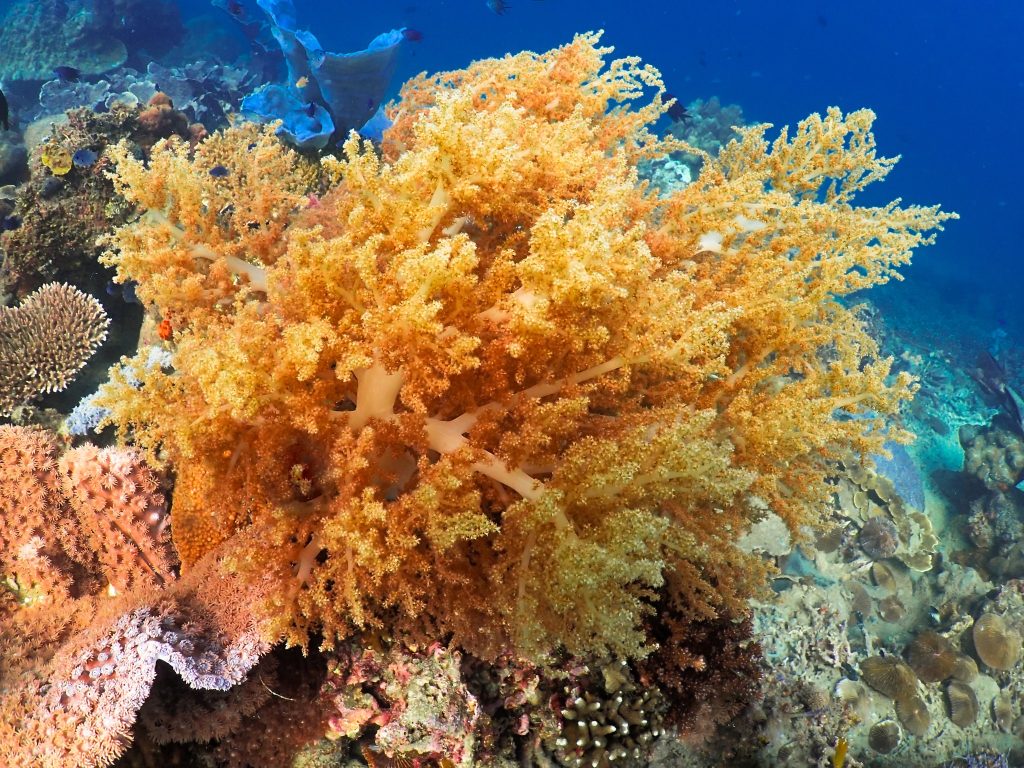
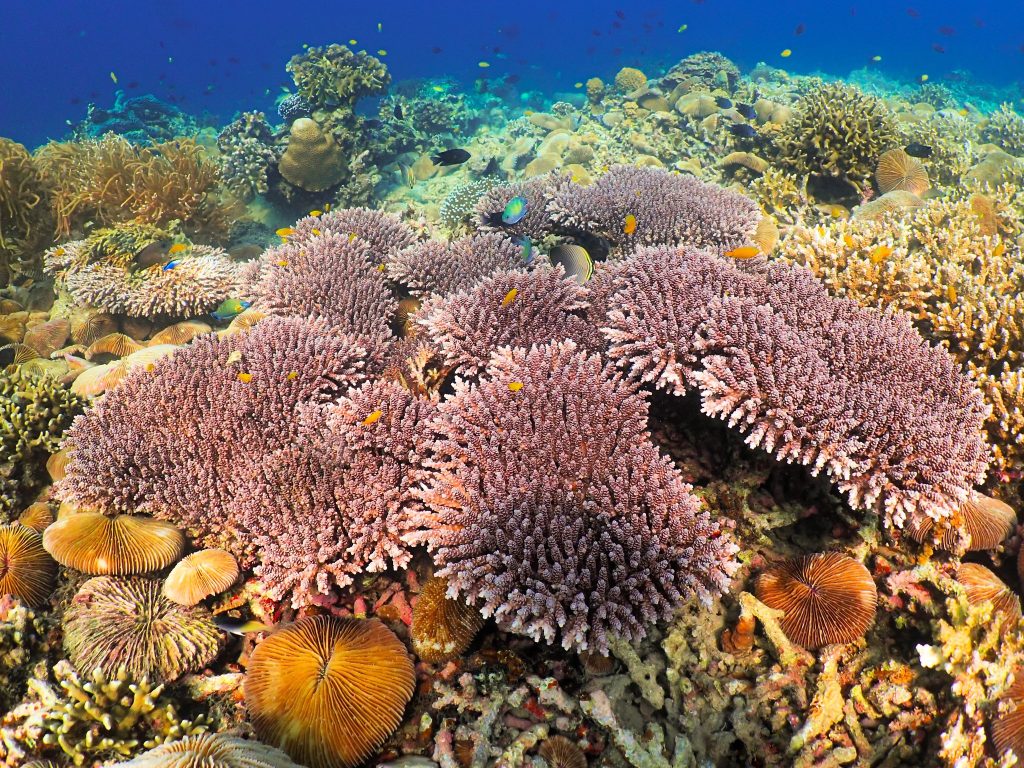
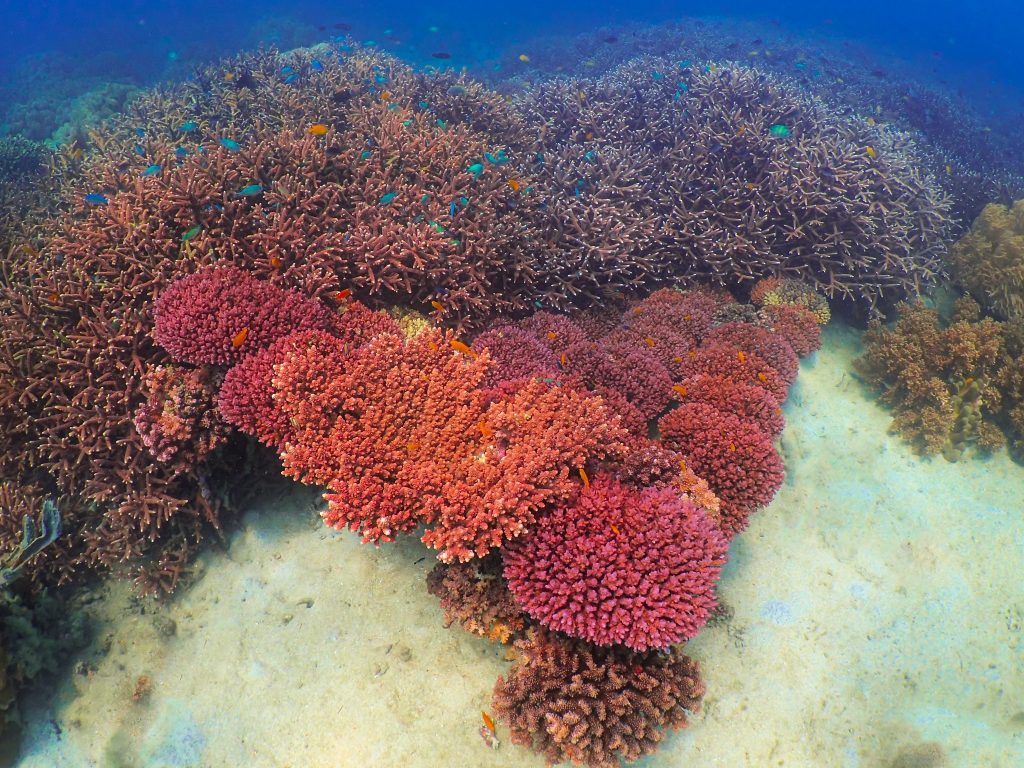
The findings emerged from the 2025 Biodiversity Assessment and Monitoring System (BAMS) conducted by DENR-PENRO Davao de Oro. Results show that the hard coral cover (HCC) in MPLS stands at 46 percent, placing it under Category A based on the scientific index of Licuanan et al. (2017). This classification denotes an “Excellent Condition” of live coral cover—an unmistakable indicator of a healthy, functioning reef system capable of supporting abundant marine life.
Beyond coral cover, the assessment documented 38 coral genera across MPLS monitoring sites. Using the coral generic diversity scale by Licuanan et al. (2019), MPLS again earned a Diversity Category A, reflecting an “Excellent Level” of coral diversity. Such high taxonomic diversity is critical, as it strengthens reef resilience, enhances ecological stability, and improves the ecosystem’s ability to withstand climate-related stressors such as warming seas and stronger storms.
Often called the “Rainforest of the Sea,” coral reefs rank among the planet’s most productive and complex ecosystems. They provide breeding grounds and shelter for countless marine species, sustain fisheries, protect coastlines from erosion, and support the livelihoods of coastal communities. In MPLS, this richness is vividly evident in reef sites across Kopiat Island (Brgy. Pindasan), Lunod Island (Brgy. San Antonio), and the reef areas of Cuambog and Tagnanan, including DENR-established coral enrichment zones that continue to bolster reef recovery and growth.
DENR officials underscored that these gains did not happen by chance. The excellent condition of MPLS reefs reflects years of coordinated conservation efforts involving the DENR, local government units, partner organizations, and—most crucially—coastal communities who serve as frontliners in marine protection. Their collective stewardship has helped curb destructive practices and ensure sustained monitoring and rehabilitation of reef habitats.
The Mabini Protected Landscape and Seascape is a legislated Marine Protected Area under Republic Act 7586 (NIPAS Act of 1992), as amended by RA 11038 (Expanded NIPAS Act of 2018). Recognized as a key NIPAS Marine Protected Area within the Davao Gulf, MPLS hosts one of the richest and most diverse coral reef ecosystems in the Davao Region, making it a critical pillar of regional biodiversity conservation.
As threats to marine ecosystems intensify—from climate change to coastal development—the DENR stressed that sustained protection, science-based management, and active community participation remain indispensable. Safeguarding the vibrant reefs of MPLS is not only about conserving corals; it is about protecting food security, livelihoods, and a natural heritage that future generations depend on.
For now, the reefs of Mabini stand as a rare and hopeful story—proof that when protection, policy, and people work together, nature can still thrive beneath the waves.