
On this day, September 2, Davao City remembers one of the darkest nights in its history—the bombing of the Roxas Night Market in 2016 that claimed 15 lives and left more than 70 others injured. What was once an evening of laughter, street food, and camaraderie along Roxas Avenue turned into a scene of carnage and grief, forever etched in the memory of every Davaoeño.
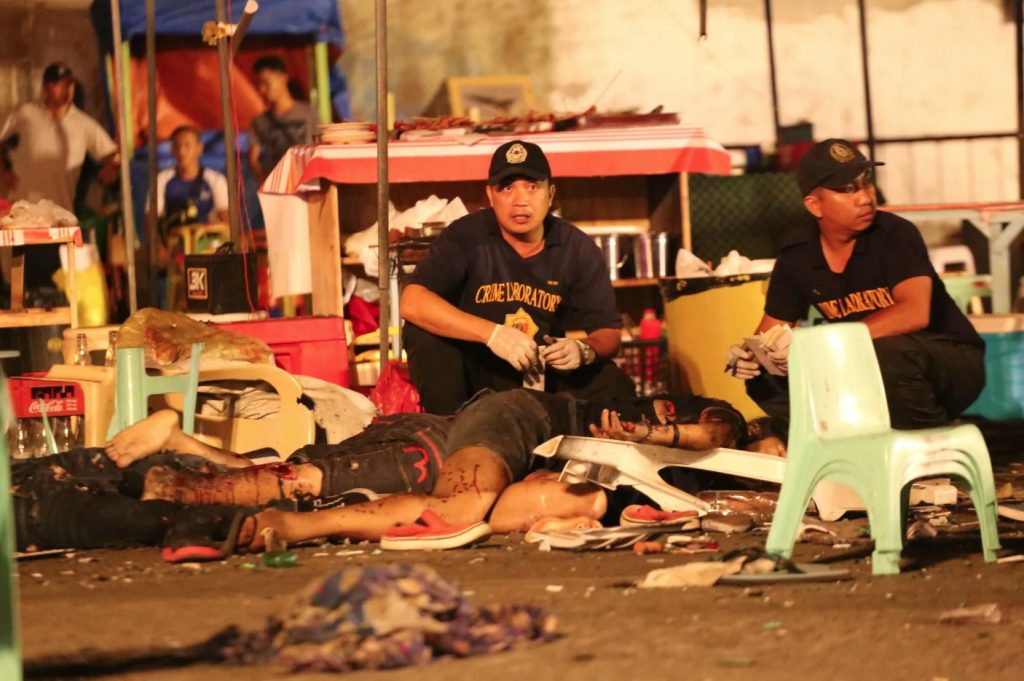
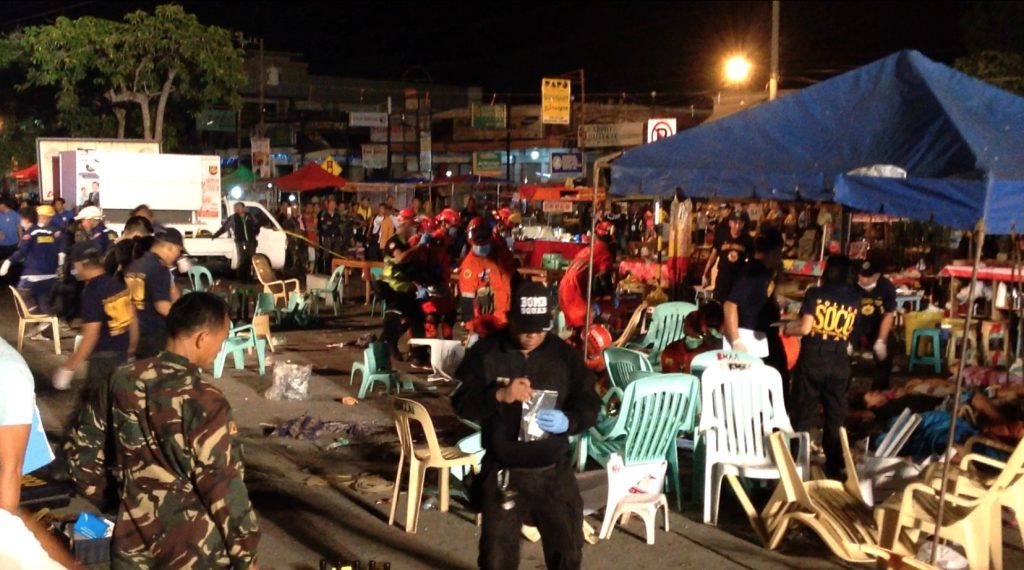
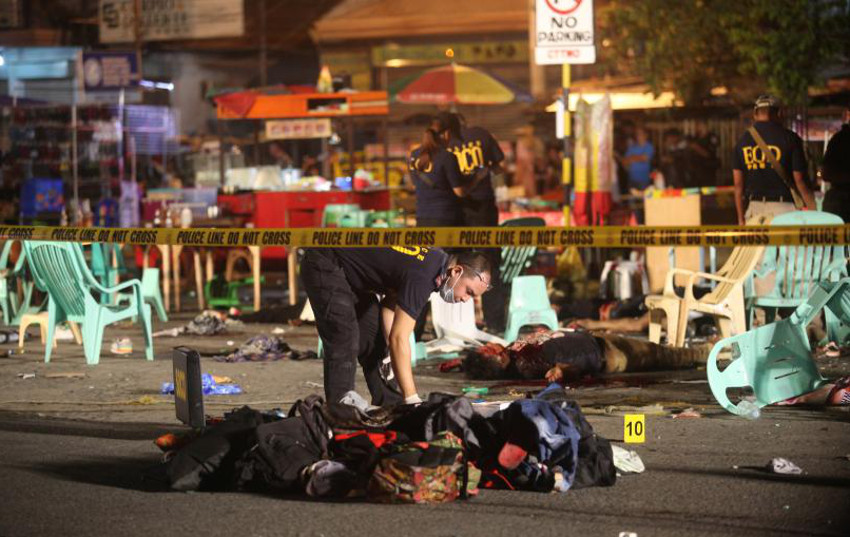
The attack was carried out by members of the Abu Sayyaf Group, a chilling reminder that extremism thrives in the shadows of poverty, anger, and ideology. For a city that prided itself on safety and order, the bombing was not just an assault on innocent civilians but on the very spirit of Davao. Families were torn apart. Dreams were stolen. The resilience of the city was tested.
Justice, though delayed, eventually came. In 2020, after years of trial and anguish, seven suspects were convicted and sentenced to reclusion perpetua for multiple murder and multiple attempted murder. Survivors and families of the victims welcomed the verdict with a mix of relief and lingering pain. Justice may have been served on paper, but the absence of loved ones at family dinners, graduations, and birthdays remains an unfillable void.
I remember vividly how fate spared me that night. I was in Davao, attending a seminar, with plans to visit the night market. But an unexpected invitation to tour the city’s 911 Emergency Response Center—and dinner afterwards—altered my path. Hours later, from my hotel window overlooking Roxas Avenue, I witnessed the chaos of the explosion unfold. The chilling thought lingers to this day: it could have been me, it could have been any of us. That twist of fate is a reminder of how fragile life can be, and how urgent the work of peace and vigilance remains.
Nine years on, Davao has moved forward. The night market has reopened, buzzing once again with food, laughter, and life. Security has tightened, and the city has become a model for disaster and emergency response. Yet the deeper lesson of September 2, 2016, is one we must carry across the nation: peace is fragile, and safety is never guaranteed. Terrorism adapts, finding new ways to spread hate—from porous borders to online radicalization.
To honor those who perished and those who still bear the scars—visible and unseen—we must not only remember but act. That means strengthening intelligence networks, supporting deradicalization programs, addressing root causes of extremism, and sustaining the culture of security Davaoeños have embraced.
Let this anniversary not be just about mourning but about commitment. Commitment to building a Philippines where no family has to fear losing a loved one to terror. Commitment to a society where safety is not a privilege of fate but a guarantee of justice and vigilance.
The scars of September 2 remind us: peace is hard-won. To the 15 lives lost that night, and to the survivors who continue to carry the weight of memory, we owe a safer, stronger, more united nation.