
TAMPAKAN, SOUTH COTABATO — The local government of Tampakan has intensified its campaign against illegal hydraulic mining, locally known as banlas, with another major operation conducted on August 30, 2025, in the tri-boundary of Barangays Pulabato, Danlag, and Tablu.
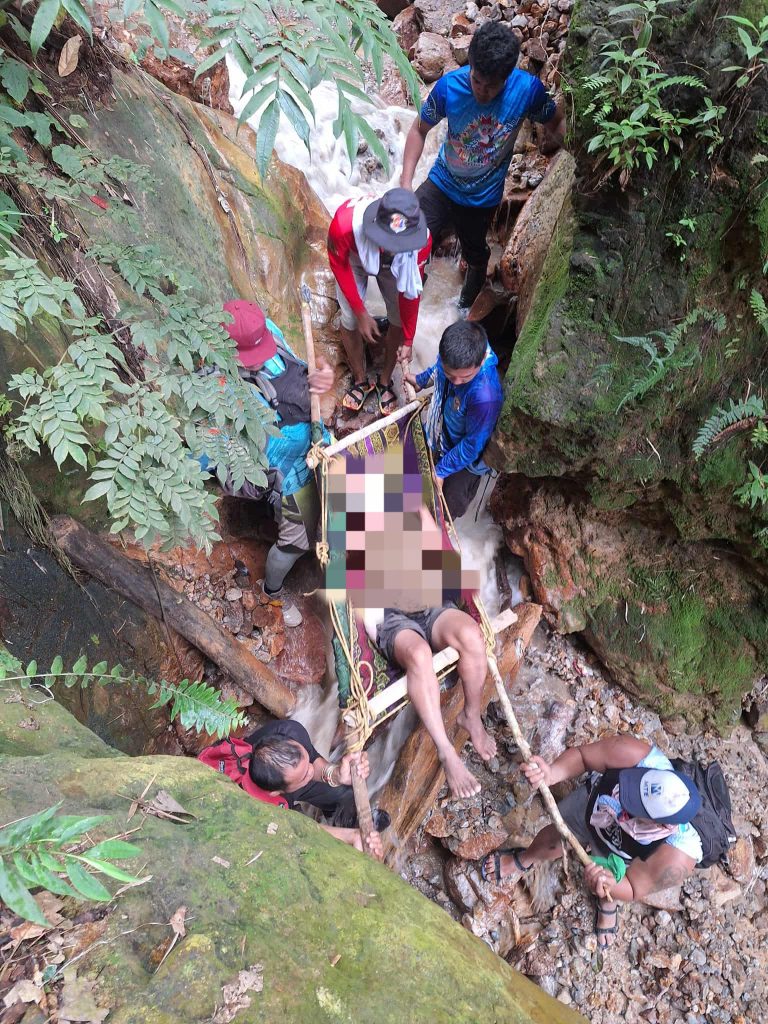
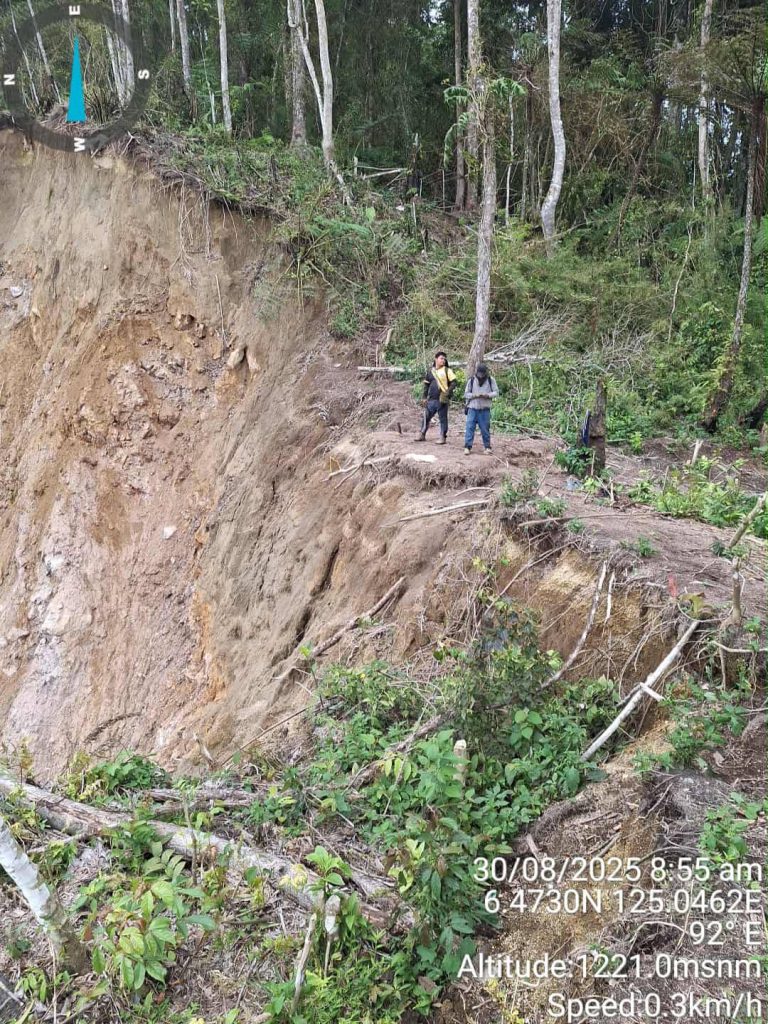
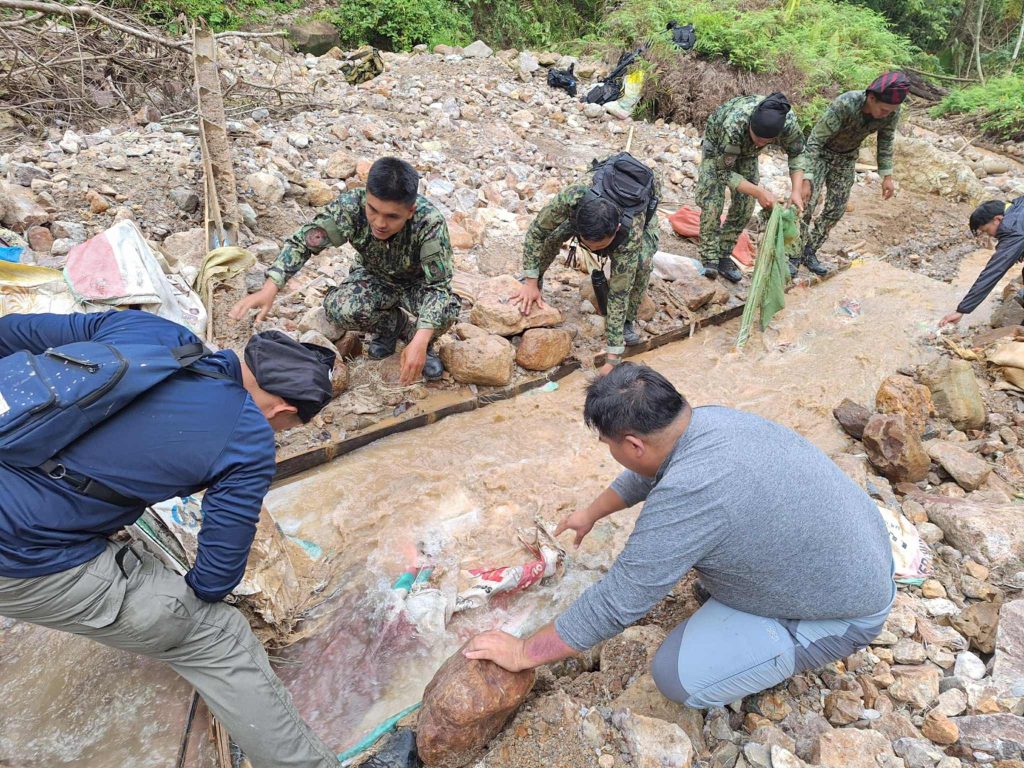
Led by Mayor Leonard Escobillo, RN, the joint operation brought together the South Cotabato Police Provincial Office under PCOL Samuel Cadungon, the 1st Provincial Mobile Force Company, the 1205th Regional Mobile Force Battalion 12, Tampakan Municipal Police Station, MDRRMO-Tampakan, barangay officials, MENRO, and the 39th Infantry Battalion (Charlie Company) of the Philippine Army.
Authorities apprehended one individual who attempted to flee but fell into a ravine, sustaining injuries. He was immediately given first aid and is now under police custody. Two other suspects managed to escape, but their identities are already known to law enforcers.
Recovered from the site were various tools used in illegal mining, including shovels, sledgehammers, sharp-edged steel bars, large hoses, plastic pipes, sluice boxes, nets, and radio communication devices. Makeshift bunkhouses found in the area were also destroyed to prevent further use.
Mayor Escobillo reiterated his stern warning against those engaged in banlas, including their financiers, stressing that the local government will not relent in pursuing those responsible for environmental destruction. He also urged residents to remain vigilant and report any similar illegal activities in their communities.
Editorial: The Fight Against Mining Must Be Consistent — Small or Big
The recent crackdown in Tampakan shows the determination of the local government to protect its environment from the destructive practice of banlas. This illegal form of hydraulic mining erodes riverbanks, pollutes water systems, and leaves farmlands devastated. If such grave damage can be caused by small-scale operations, how much more catastrophic would it be if large-scale mining projects were to take root?
This is where the conversation must go beyond penalizing small players. The LGU’s hard stance against banlas should also extend to questioning the wisdom of allowing large-scale mining in Tampakan — a municipality long shadowed by the controversial Tampakan Copper-Gold Project, one of the biggest of its kind in Southeast Asia. The environmental risks of such operations — deforestation, displacement of communities, siltation of rivers, and irreversible ecological damage — are unimaginable when compared to the already destructive small-scale banlas.
Local leaders must therefore be consistent: if the small-scale banlas is considered unacceptable because of its harm to the environment and people, then the far-reaching risks of large-scale mining should be all the more unacceptable. True protection of the environment means standing firm against all forms of mining that threaten the future of the land and the people.
For Tampakan, the real measure of political will is not only in dismantling hoses, nets, and bunkhouses, but in asserting a total ban on mining — big or small — for the sake of the generations to come.