
KIDAPAWAN CITY, Cotabato — Two residents of Barangay Sinkatulan in Makilala, Cotabato voluntarily surrendered 12 rescued wildlife animals to the Department of Environment and Natural Resources (DENR) on September 10, allowing authorities to assess their condition and determine whether they could safely be returned to the wild.
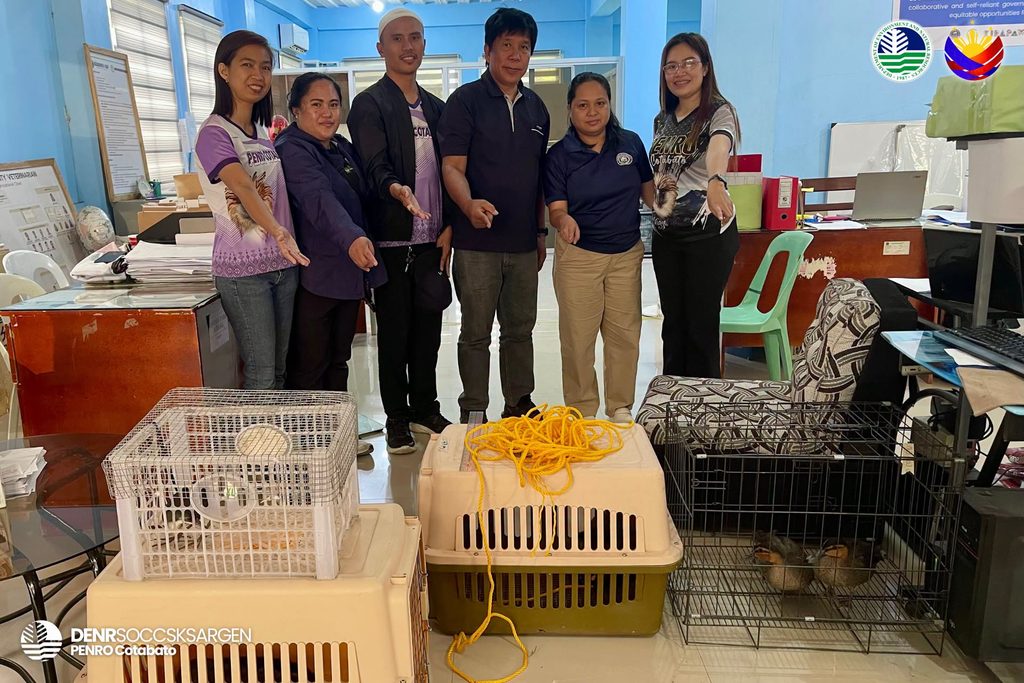
The turnover was made to the DENR Provincial Environment and Natural Resources Office (PENRO) Cotabato for proper assessment, temporary care and disposition in accordance with existing wildlife protection laws.
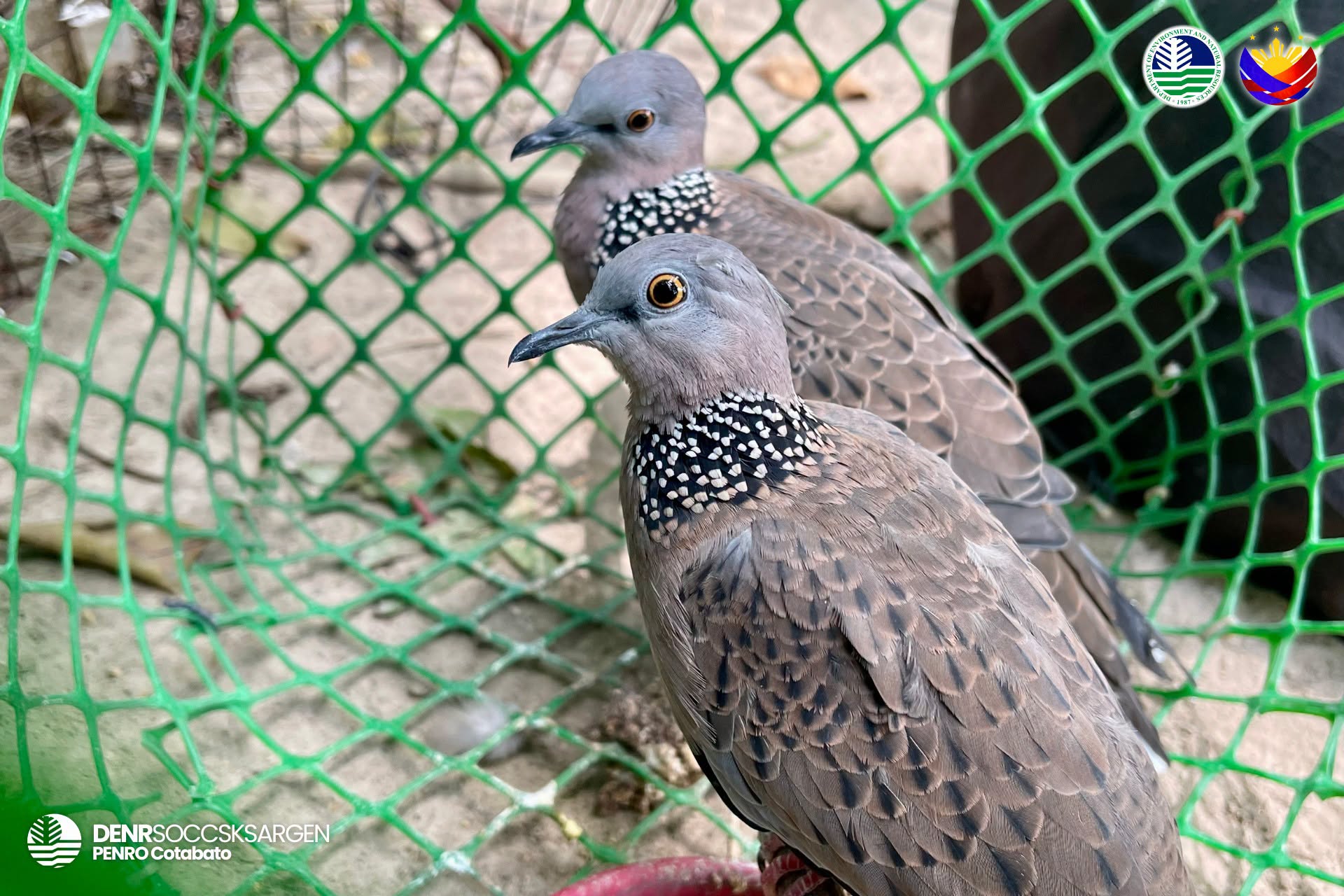
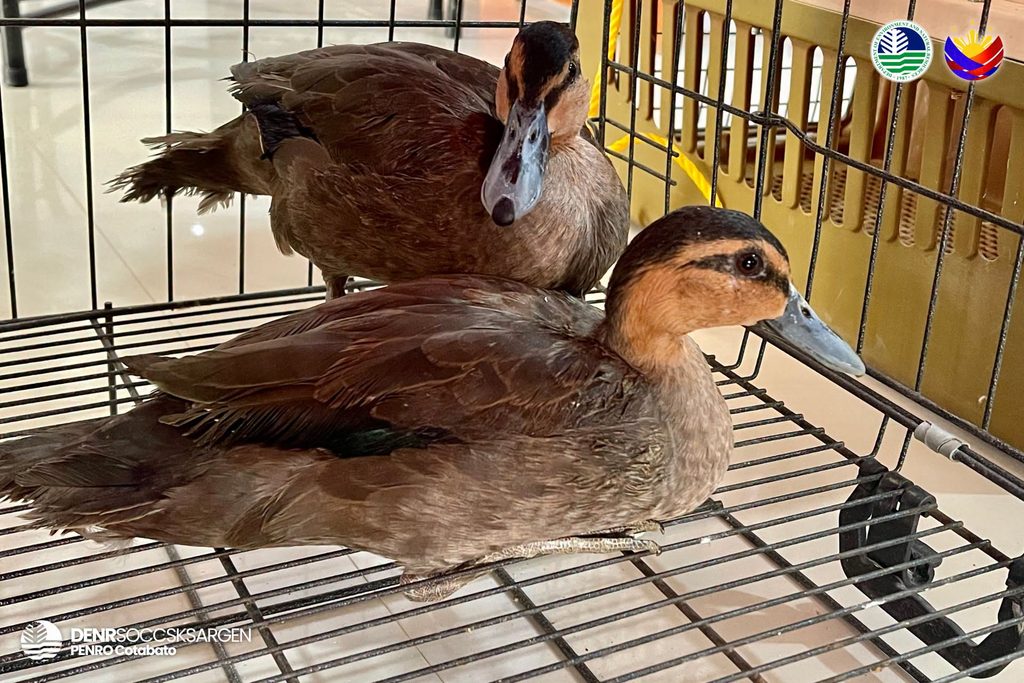
The 12 animals consisted of four White-eared Brown Doves (Phapitreron leucotis), locally known as Alimokon; three Spotted Doves (Spilopelia chinensis), or Tukmo; one juvenile White-breasted Waterhen (Amaurornis phoenicurus); two Philippine Ducks (Anas luzonica); and two Philippine Palm Civets (Paradoxurus philippinensis).
The rescued wildlife were initially brought to the Kidapawan City Veterinary Office for medical examination after their retrieval. Authorities found the animals fit for release, although not all were immediately returned to the wild.
The four White-eared Brown Doves, three Spotted Doves and the juvenile White-breasted Waterhen were released into suitable habitat after the assessment.
Meanwhile, the two Philippine Ducks and two Philippine Palm Civets were brought to the PENRO Cotabato temporary wildlife rescue center, where they will remain under observation before authorities determine the appropriate time and location for their release.
The retrieval and turnover operation was facilitated by a joint team from the Monitoring and Enforcement Section (MES) and Conservation and Development Section (CDS) of DENR-PENRO Cotabato, together with personnel from CENRO Matalam and the Municipal Environment and Natural Resources Office (MENRO) of Makilala.
Residents chose to surrender wildlife
The voluntary turnover followed coordination between the residents and environmental authorities after they learned that the collection, possession, transport and keeping of wildlife are regulated under Republic Act No. 9147, or the Wildlife Resources Conservation and Protection Act, as well as its implementing rules and regulations.
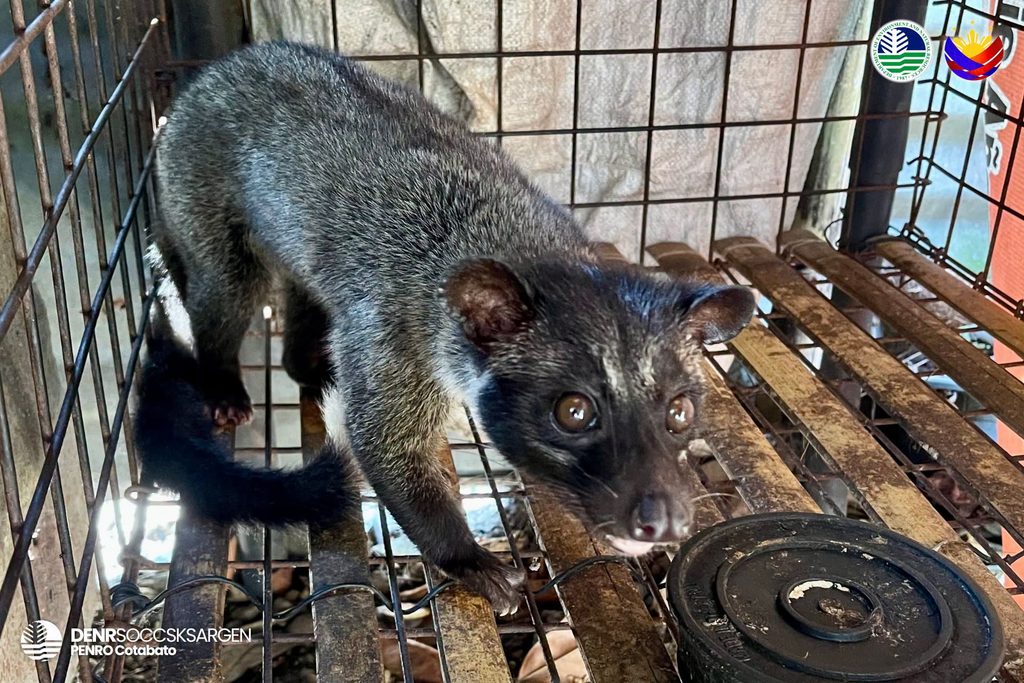
According to the DENR, Mr. Joel Gastones reported that he had rescued one of the Philippine Palm Civets from a rubber farm. Another Philippine Palm Civet had been kept under the care of Mr. Isagani Bagyo.
Rather than allowing the animals to remain in unauthorized captivity, the residents coordinated with government authorities and turned them over for proper handling.
The incident underscores the importance of immediately reporting rescued or displaced wildlife to authorized government offices. While people may rescue wild animals out of concern for their safety, keeping them in captivity without the required authority can place both the animals and the people caring for them at risk.
DENR urges public to report wildlife encounters
The DENR reiterated that members of the public who encounter, rescue or recover wildlife should immediately coordinate with the nearest DENR office or other authorized wildlife authorities.
The agency stressed that rescued wildlife should not simply be kept as pets or retained in private possession. Their condition, species, habitat requirements and ability to survive in the wild must first be evaluated by qualified authorities before any decision is made regarding rehabilitation or release.
The case also highlights the continuing presence of native wildlife in communities and agricultural areas in Cotabato, where encounters with wild birds and mammals can occur as animals move through forests, farms and other habitats.
For residents who encounter injured, displaced or apparently abandoned wildlife, the DENR’s message is clear: help the animal by reporting it to the proper authorities, rather than keeping it in captivity without authorization.
The 12 animals are now under appropriate government care, with several already returned to their natural habitat and the remaining Philippine Ducks and Philippine Palm Civets undergoing observation before their eventual release.