
COMPOSTELA, Davao de Oro — Hidden among the green landscapes of Compostela, Davao de Oro, a little-known natural gem is steadily moving toward becoming one of the province’s newest destinations for hikers, mountaineers and nature lovers.
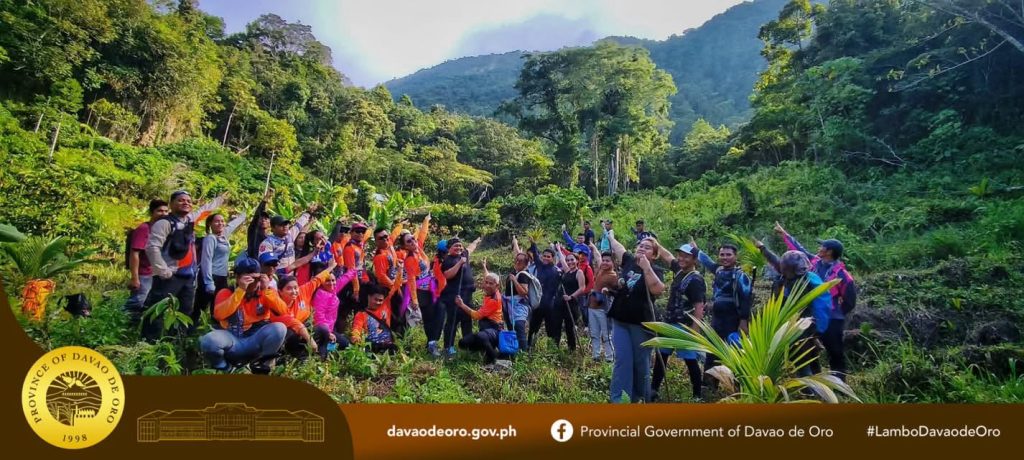
Mt. Tambuyong, described by local authorities as a still largely untouched natural treasure, is now being prepared for potential tourism development following a technical assessment and trail validation conducted by the Provincial Tourism Office on Thursday, August 6.
The assessment marks an important step toward opening the mountain to visitors while ensuring that tourism development will be guided by safety, environmental protection and responsible management.
Rather than simply opening the mountain to the public, authorities are taking a closer look at what it can safely accommodate and how its natural character can be preserved as more visitors begin to discover it.
A New Destination for Adventure Seekers
Initial findings from the technical assessment indicate that Mt. Tambuyong has strong potential as a destination for hiking and mountain climbing, offering an experience suited to adventurers looking to explore less-developed mountain landscapes.
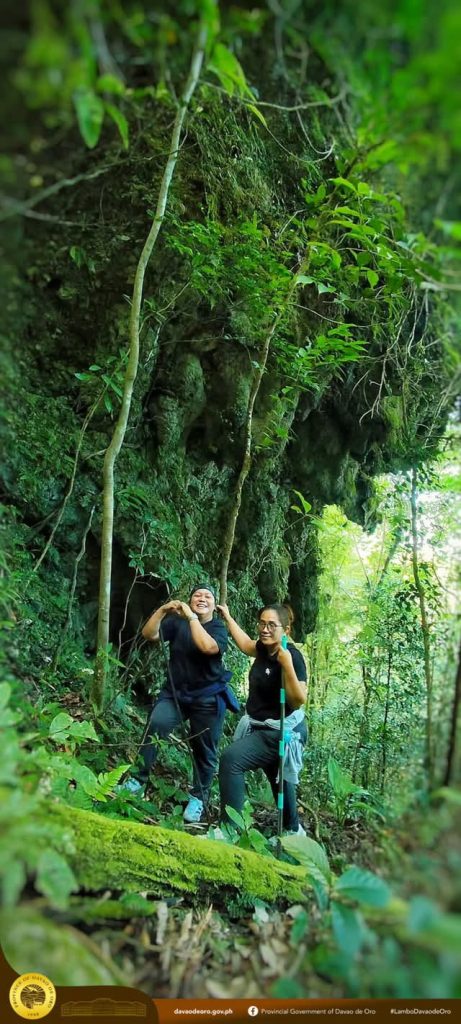
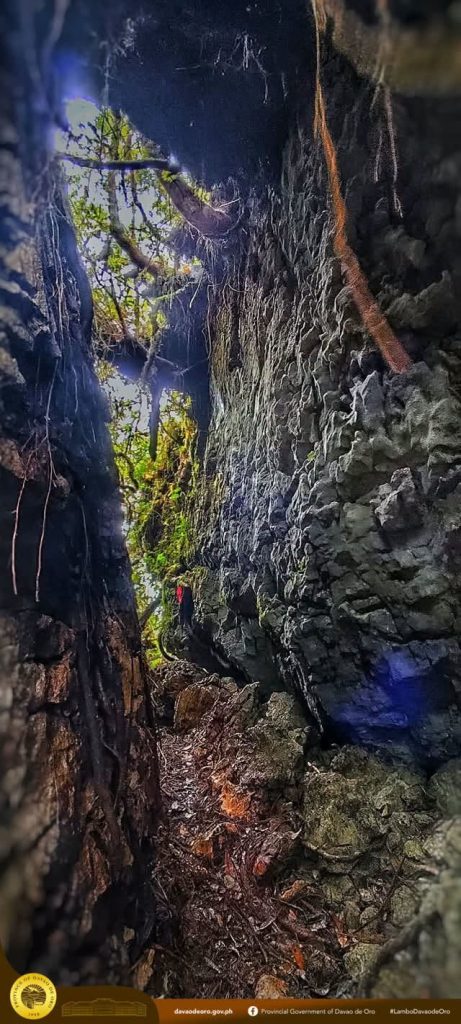
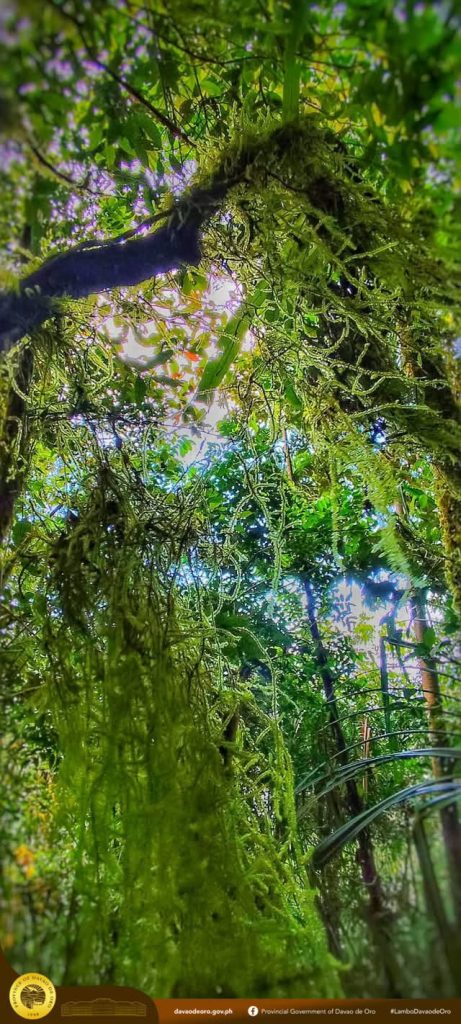
For hikers, the attraction is not only the physical challenge of reaching the summit but also the opportunity to experience a natural environment that has yet to become heavily commercialized.
That combination could make Mt. Tambuyong particularly appealing to travelers seeking a more immersive outdoor experience—one that takes them away from crowded tourist sites and closer to the forests, trails and communities of the Davao de Oro highlands.
The provincial government is now targeting October for the mountain’s formal introduction to the tourism circuit through the inaugural “Okto-Trek!” mountain climbing event, which will form part of the province’s celebration of Indigenous Peoples Month.
If successfully launched, the event could serve as a gateway for adventure enthusiasts to discover Mt. Tambuyong while highlighting the cultural and environmental values surrounding the mountain.
Beyond the Summit: Safety and Sustainability First
Before the mountain can welcome a larger number of visitors, however, authorities are looking beyond its scenic potential.
The technical assessment examined several factors considered essential to developing Mt. Tambuyong as a safe and sustainable ecotourism destination.
Among those evaluated were the condition of the existing trail, degree of difficulty, potential hazards and risks, visitor carrying capacity, proposed campsite and summit locations, rescue and emergency access points, directional and informational signage, and environmental conservation concerns.
These assessments are critical in determining how tourism can be introduced without placing unnecessary pressure on the mountain’s natural resources.
Visitor carrying capacity, for instance, will help determine how many people can reasonably enter and use the area without causing significant environmental degradation. Trail validation, meanwhile, can identify sections requiring improvement, particularly areas that could pose risks to hikers during adverse weather conditions.
The identification of emergency and rescue access points is equally important as the destination begins attracting more adventurers.
For a mountain destination, tourism development cannot be measured solely by the number of visitors it can attract. Its long-term success will depend on whether those visitors can enjoy the area safely while the mountain itself remains protected.
A Collaborative Effort
The assessment was led by the Provincial Government of Davao de Oro through its Tourism Office, in coordination with a multi-agency validation team.
The team included representatives from the Municipality of Compostela, Barangay Ngan, the Mountaineering Federation of Southern Mindanao, Inc., the Provincial Administrator’s Office–Investment Division, DENR-CENRO Monkayo, Compostela MDRRMO, the Compostela Police, and local guides.
The participation of local guides is particularly significant as communities surrounding the destination possess practical knowledge of the terrain, trails and conditions of the mountain.
Their involvement can also help ensure that tourism development creates opportunities for residents, particularly through guiding, transport, food services, homestays and other community-based tourism activities.
With the right framework, Mt. Tambuyong could eventually become more than a hiking destination. It could become a source of livelihood while encouraging communities and visitors alike to value the protection of the natural environment.
A Mountain Waiting to Be Discovered
For Davao de Oro, the development of Mt. Tambuyong adds another potential attraction to a province already known for its mountains, rivers, forests and other natural destinations.
But unlike established tourism sites, Mt. Tambuyong currently offers something increasingly sought after by modern travelers: the feeling of discovering somewhere new.
Its planned opening in October could give hikers and mountaineers an early opportunity to experience the mountain before it becomes widely known.
The inaugural “Okto-Trek!” could therefore be more than just a mountain-climbing activity. It could mark the beginning of a new chapter in Compostela’s tourism story—one where adventure, Indigenous culture, community participation and environmental stewardship converge.
As preparations continue, the challenge will be to make Mt. Tambuyong accessible without taking away what makes it special in the first place.
For now, the mountain remains largely untouched. And perhaps that is precisely the reason why it is worth watching.
Mt. Tambuyong may soon become another name on the Davao de Oro tourism map—but its greatest attraction could be the opportunity to experience a mountain before mass tourism gets there.