
A four-year-old boy from Barangay Sinawal, General Santos City, has died from rabies more than a month after he was bitten by a stray dog, leaving his family devastated and prompting renewed calls for immediate and complete treatment following animal bites.
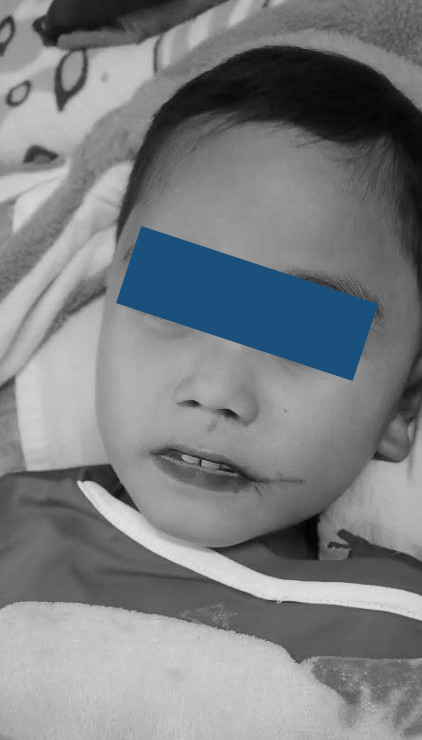
The child reportedly developed symptoms consistent with rabies despite having received three doses of anti-rabies vaccine and a tetanus shot after the incident.
According to his family, the boy eventually began showing alarming symptoms associated with rabies, including fear of water and sensitivity or fear of air. He was brought to the Dr. Jorge P. Royeca City Hospital, where medical personnel provided the emergency care that was needed.
Dr. Ryan Oscar Aplicador of the hospital said the boy’s injury was considered a Category III exposure because the bite was located on the face and ear, areas close to the head.
Despite the medical intervention, the child’s condition deteriorated, and he died before he could receive his fourth scheduled dose of the anti-rabies vaccine.
The death has left his family struggling to cope with the loss of a young child whose life was cut short after what initially may have appeared to be an ordinary encounter with a stray animal.
A mother’s heartbreaking goodbye
The boy’s mother, Lyn, expressed her grief in an emotional post following her son’s death.
She recalled her child’s affection, playfulness and the simple routines that had become part of their daily life. She spoke of the child who would ask his mother for kisses, who would help with household routines, and who would keep her company whenever his father went to work.
Her words reflected the unbearable reality faced by a parent who suddenly has to prepare for a future without a child.
She wrote of missing his voice, his affection and even his mischievous moments, saying there would no longer be anyone at home asking, “Mama, kiss ko, Ma.”
She also mourned the everyday moments that once seemed ordinary but have now become painful memories.
For the family, the tragedy is not simply the loss of a four-year-old child. It is the loss of a son whose presence filled their home and whose absence has left a void they say they cannot replace.
City veterinary office launches response
Following the incident, the General Santos City Veterinary Office began efforts to locate the dog believed to have bitten the child.
Authorities are also implementing mass anti-rabies vaccination among animals in Barangay Sinawal as part of efforts to prevent additional cases and protect residents from the potentially fatal disease.
The incident serves as a serious reminder that stray and unvaccinated animals can pose a significant public health risk, particularly in communities where animal bites are not immediately reported or properly managed.
Every animal bite must be taken seriously
Health authorities have repeatedly emphasized that rabies is preventable, but once clinical symptoms appear, it is almost always fatal.
For this reason, residents should never wait for symptoms before seeking medical attention after an animal bite or scratch.
Anyone bitten or scratched by a dog, cat or other potentially rabid animal should immediately:
- Wash the wound thoroughly with soap and running water for about 15 minutes.
- Seek medical attention immediately at an animal bite treatment center or appropriate health facility.
- Follow the prescribed anti-rabies vaccination schedule completely.
- Receive rabies immunoglobulin when medically indicated, particularly for severe or Category III exposures.
- Do not rely on the animal appearing healthy. A dog or cat may require proper observation and assessment by authorities.
- Do not apply unproven substances or home remedies to the wound.
- Report stray, aggressive or potentially rabid animals to local authorities.
Parents and guardians should be particularly vigilant when children are involved. Young children may not fully understand the danger posed by unfamiliar animals and may be unable to properly describe an encounter or injury.
A seemingly small bite, scratch or wound should never be dismissed.
Vaccination of animals is also a community responsibility
The tragedy in Sinawal also highlights the importance of responsible pet ownership.
Pet owners are urged to ensure that their dogs and cats receive their required anti-rabies vaccinations and are properly supervised. Allowing animals to roam freely increases the possibility of bites, road accidents, disease transmission and other risks to both the animals and the community.
Residents should also avoid approaching, provoking or attempting to capture unfamiliar stray animals themselves, particularly animals that appear sick, unusually aggressive, disoriented or behave abnormally.
The City Veterinary Office’s search for the dog involved in the incident is crucial not only in connection with the child’s case but also in determining whether other people or animals may have been exposed.
A painful reminder that should not be ignored
The death of the four-year-old boy is a painful reminder that rabies remains a deadly threat despite being preventable through timely and appropriate intervention.
The fact that the child had already received three doses of anti-rabies vaccine makes the circumstances especially important for health authorities to examine and for families to understand. Treatment after an animal bite must be assessed and monitored by qualified medical professionals, and patients must follow the schedule and instructions given to them.
No family should have to endure the kind of farewell now faced by the boy’s parents.
For every parent, the lesson is simple but urgent: when a child is bitten or scratched by an animal, do not wait, do not self-medicate, and do not assume the wound is harmless. Seek professional medical care immediately and complete the treatment as instructed.
And for every pet owner, responsible ownership means more than feeding an animal. It means vaccination, proper restraint and ensuring that pets do not become a danger to children, neighbors or other animals.
Behind every rabies case is a person, a family and a life that can be permanently changed.
In this case, it is the life of a four-year-old child—and a mother now left longing for the little boy who once filled her home with affection, laughter and simple words she will never hear again.