
GENERAL SANTOS CITY, Philippines — A powerful magnitude 7.8 earthquake struck off the coast of Maasim, Sarangani Province on Monday morning, June 8, triggering widespread destruction, panic, and emergency response operations across large parts of Mindanao.
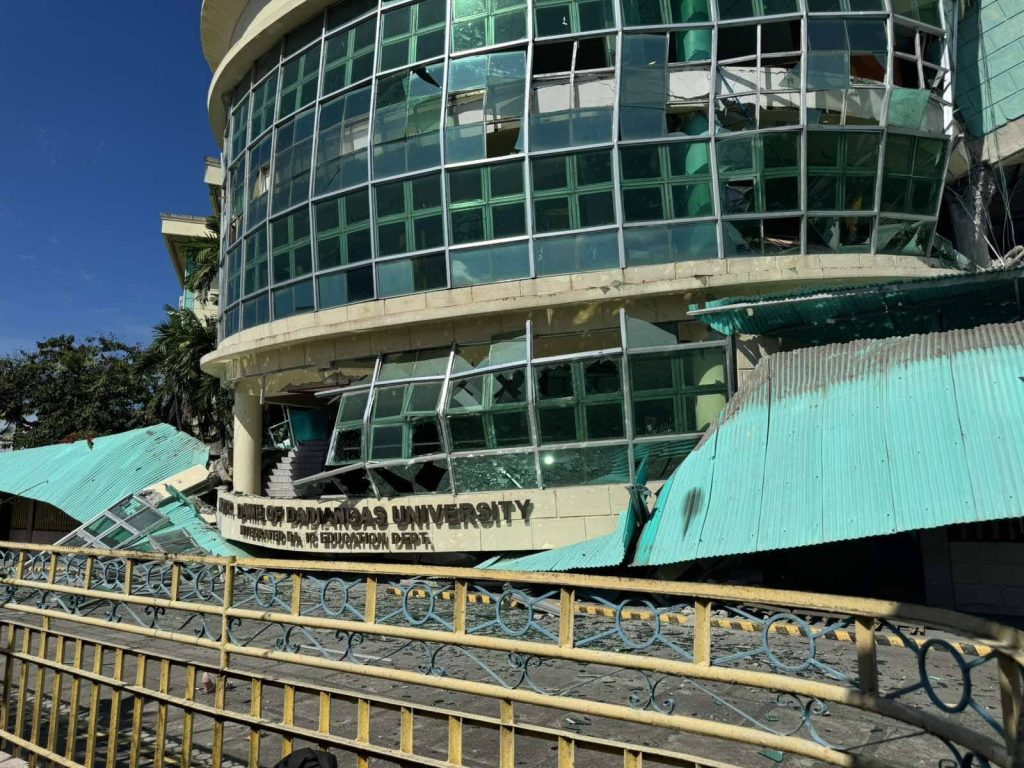
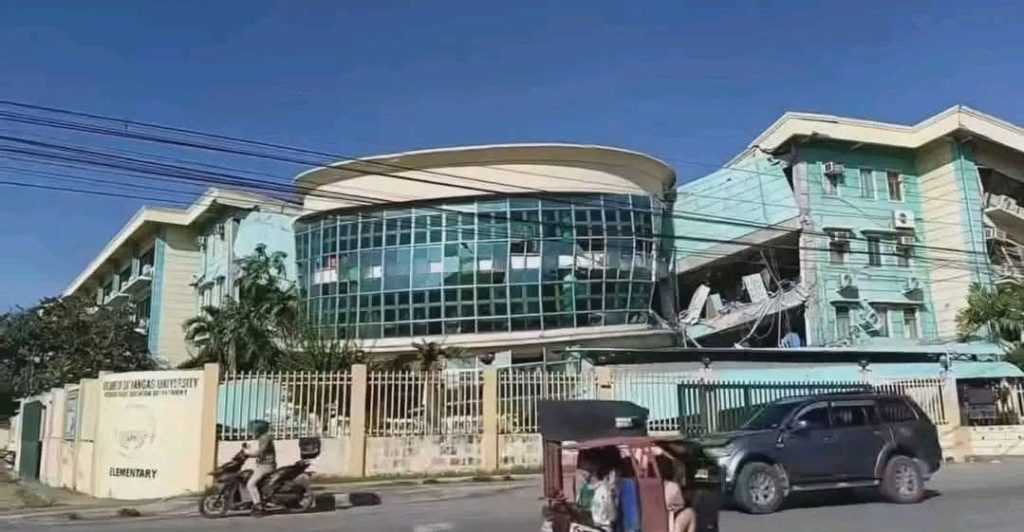
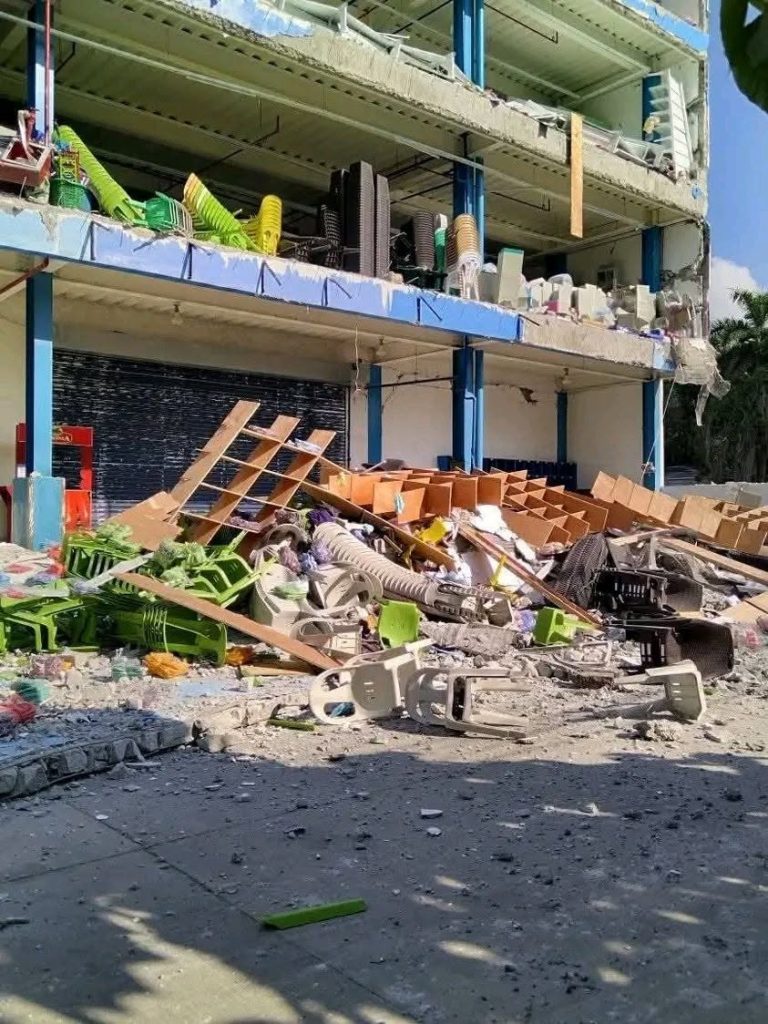
According to the Philippine Institute of Volcanology and Seismology (PHIVOLCS), the earthquake occurred at 7:37 a.m. with its epicenter located approximately 32 kilometers southwest of Maasim, Sarangani, at a depth of 33 kilometers.
The tremor was strongly felt across Southern and Central Mindanao, prompting mass evacuations, disrupting essential services, damaging roads and buildings, and causing casualties in several affected areas.
General Santos City Hit Hard
General Santos City experienced Intensity VII shaking, while the strongest instrumental intensity recorded was Intensity VIII in Malapatan, Sarangani, indicating very destructive ground movement near the epicenter.
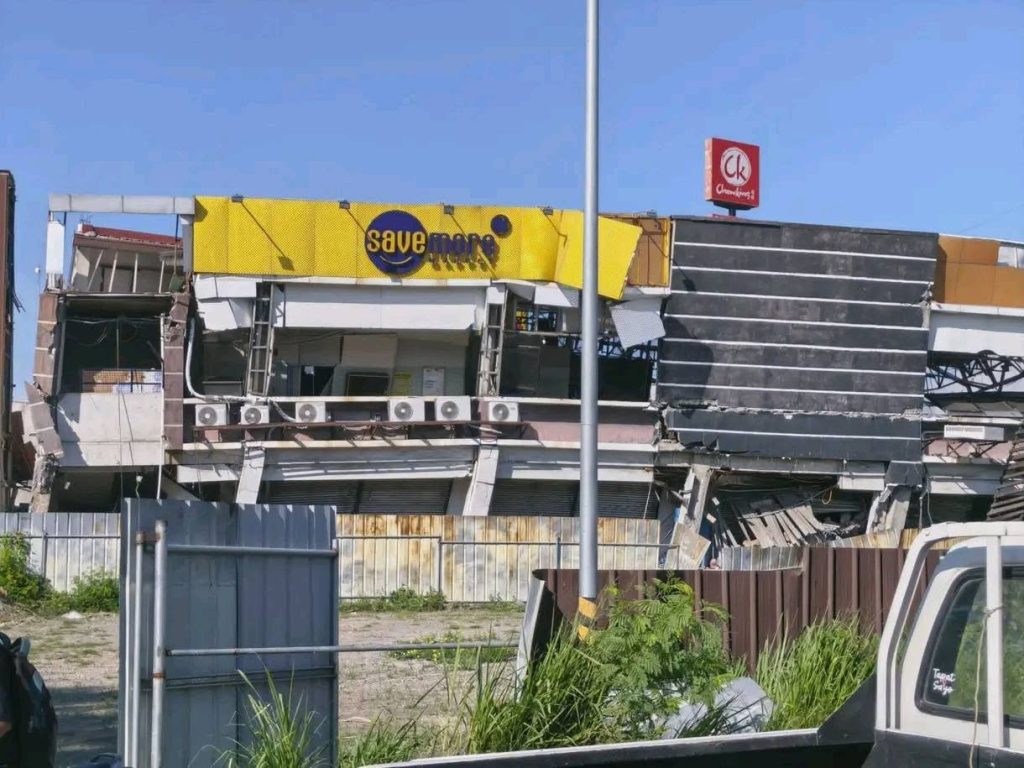
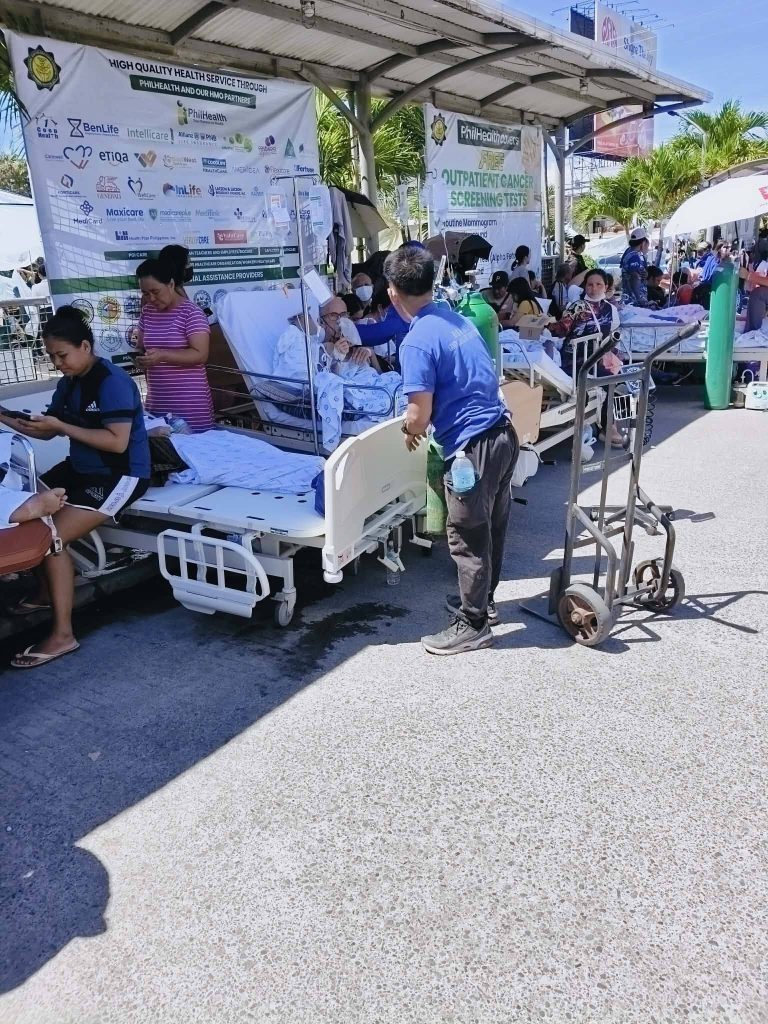
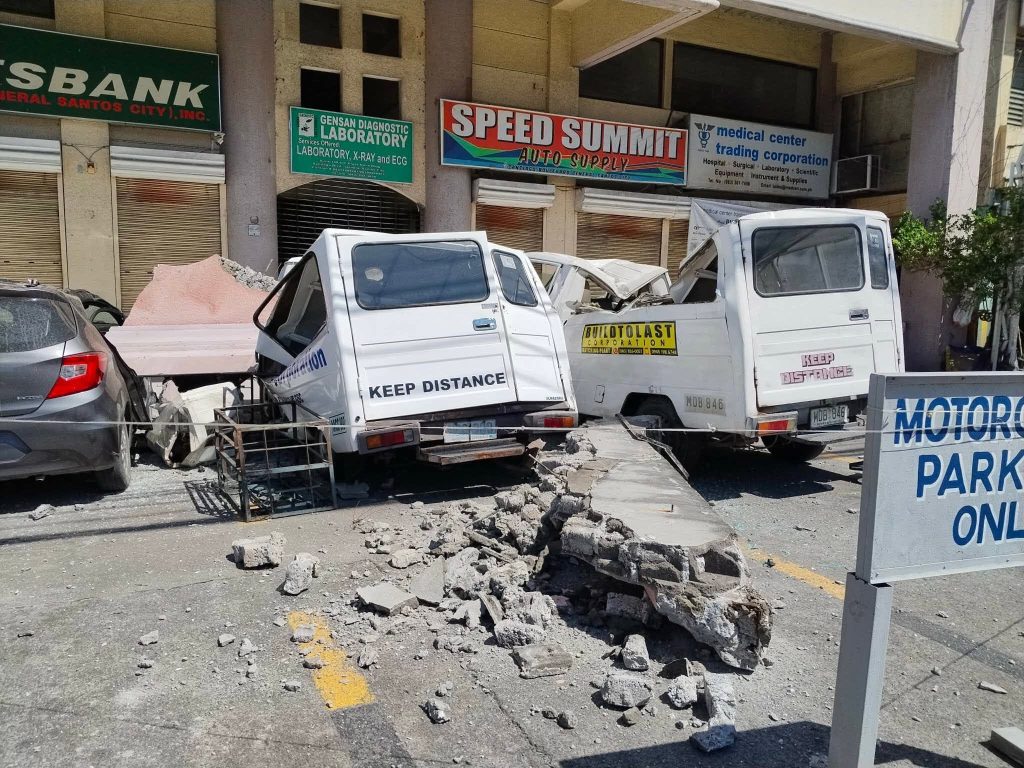
One of the most alarming incidents occurred in Barangay Calumpang, General Santos City, where a portion of a Savemore Market building reportedly collapsed. Authorities immediately launched search and rescue operations after reports that at least five individuals were trapped inside the structure.
Emergency responders, rescue teams, and local government personnel rushed to the scene to locate survivors amid fears of additional structural failures.
Mayor Lorelie Geronimo Pacquiao directed all emergency response units to remain on full alert and urged residents to keep emergency hotline numbers readily available as aftershocks continue to threaten affected communities.
Deaths Reported in South Cotabato
In Tupi, South Cotabato, local authorities confirmed two fatalities linked to the earthquake. Initial reports indicated that one victim was struck by falling debris while another reportedly suffered a fatal heart attack during the chaos caused by the powerful shaking.
Officials warned that casualty figures could rise as assessments continue in affected municipalities.
Buildings Collapse, Roads Damaged
The earthquake left a trail of destruction across several provinces.
In Koronadal City, residents reported multiple damaged and collapsed structures, including a four-story apartment building owned by the Ilao family in Purok Hillside, Barangay Sta. Cruz.
The city also experienced soil liquefaction, a phenomenon where saturated ground temporarily loses strength due to intense shaking. Witnesses reported water suddenly erupting from the ground, alarming nearby residents.
In Tantangan, South Cotabato, significant cracks appeared along portions of the national highway in Barangay San Felipe. One vehicle sustained damage after concrete fragments from the cracked roadway struck its windshield.
Meanwhile, in T’boli, South Cotabato, sections of the Tibolok Road reportedly became impassable after portions of the roadway collapsed due to the earthquake.
Damage was likewise reported in Nabalawag, Special Geographic Area (SGA) of the Bangsamoro Autonomous Region in Muslim Mindanao (BARMM), where a barangay covered court collapsed. Residents reported several individuals sustaining injuries after parts of the structure fell.
Coastal Communities Evacuate
In Kalamansig, Sultan Kudarat, residents from coastal communities temporarily evacuated and erected makeshift tents after seawater reportedly entered several homes during the earthquake.
Authorities are continuing to monitor coastal conditions and assess whether the unusual sea movement was directly linked to the strong seismic event.
Infrastructure Concerns Emerge
In Davao City, authorities issued an urgent advisory to motorists traveling across the Coastal Bucana Bridge after initial inspections revealed visible cracks in portions of the structure.
Motorists were advised to reduce speed, avoid stopping on the bridge, maintain safe distances between vehicles, and immediately report any worsening structural damage.
Elsewhere in Digos City, a wedding ceremony being held inside a hotel was abruptly interrupted when the powerful earthquake struck, forcing guests and attendees to evacuate amid panic and confusion.
Water and Power Services Affected
The General Santos City Water District reported low water pressure and temporary water interruptions following the earthquake.
According to the water utility, power outages caused by the earthquake forced engineers to temporarily shut down pump stations for safety inspections. While operations are gradually being restored using generator sets, authorities warned that normal water supply may take time to resume.
Engineering teams are currently inspecting deep wells, reservoirs, and distribution pipelines to ensure public safety and prevent further service disruptions.
Student Hospitalized in Sulu
In Jolo, Sulu, a female student from Notre Dame of Jolo College experienced a severe panic attack and epileptic episodes while on the third floor of a building during the earthquake.
Personnel from the Philippine Red Cross-Sulu Chapter responded and transported the student to a nearby hospital for medical treatment.
Earthquake Felt Across Mindanao
PHIVOLCS reported Intensity VII shaking in General Santos City, Intensity VI in Palimbang and Senator Ninoy Aquino in Sultan Kudarat, and Intensity V in several areas including Davao City, Kidapawan City, Carmen in Cotabato, Bagumbayan, Kalamansig, President Quirino, Sibuco, and Siocon.
The earthquake was also felt in parts of the Zamboanga Peninsula, Caraga Region, Northern Mindanao, BARMM, and even portions of Leyte in Eastern Visayas.
Instrumental measurements showed Intensity VII shaking in Koronadal City and Santa Maria, Davao Occidental, while Intensity VI was recorded in General Santos City and T’boli, South Cotabato.
Authorities Urge Vigilance
Disaster management officials have warned residents to remain vigilant as strong aftershocks are expected following a major earthquake of this magnitude.
The public is advised to avoid entering damaged structures, inspect homes and workplaces for hazards, prepare emergency kits, and closely monitor official advisories from PHIVOLCS and local disaster risk reduction offices.
Damage assessment operations remain ongoing across Mindanao as authorities work to determine the full extent of casualties, infrastructure damage, and humanitarian needs resulting from one of the strongest earthquakes to strike the region in recent years.
As the scale of the disaster became increasingly evident, President Ferdinand R. Marcos Jr. ordered the immediate mobilization of government resources across Mindanao. In a statement released Monday, the President directed the Office of Civil Defense (OCD) and the National Disaster Risk Reduction and Management Council (NDRRMC) to coordinate disaster response and monitoring efforts in all affected areas.
Marcos also instructed the Department of Social Welfare and Development (DSWD) to pre-position relief supplies and ensure evacuation centers are ready for displaced residents. The Department of Public Works and Highways (DPWH) was likewise placed on standby to assess damage to roads, bridges, and other critical infrastructure and to clear routes needed for rescue and relief operations.
The President further announced the suspension of classes at all levels in earthquake-affected areas throughout Mindanao until further notice, emphasizing that the safety of students remains a top priority. He also urged residents in coastal communities to immediately heed tsunami warnings and move to higher ground.
“To our kababayans in the affected provinces, please heed the tsunami warning. Move to higher ground now. Do not wait. Your life is more important than anything left behind,” Marcos said, assuring the public that the national government remains in constant communication with local government units and regional offices as response efforts continue.
The earthquake also prompted the Civil Aviation Authority of the Philippines (CAAP) to issue a Notice to Airmen (NOTAM), temporarily grounding flight operations from 8:45 a.m. to 3:00 p.m. while aviation authorities conducted inspections of airport facilities and navigation systems. CAAP said assessments of air navigation facilities, equipment, and operational capabilities were being carried out to ensure the continued safety and integrity of airport operations following the powerful tremor.