
DAVAO ORIENTAL — A social media post showing a dead monkey tied to a motorcycle using a rubber strap has sparked outrage online, with many netizens condemning the incident and calling for an investigation into possible violations of Philippine wildlife and animal protection laws.
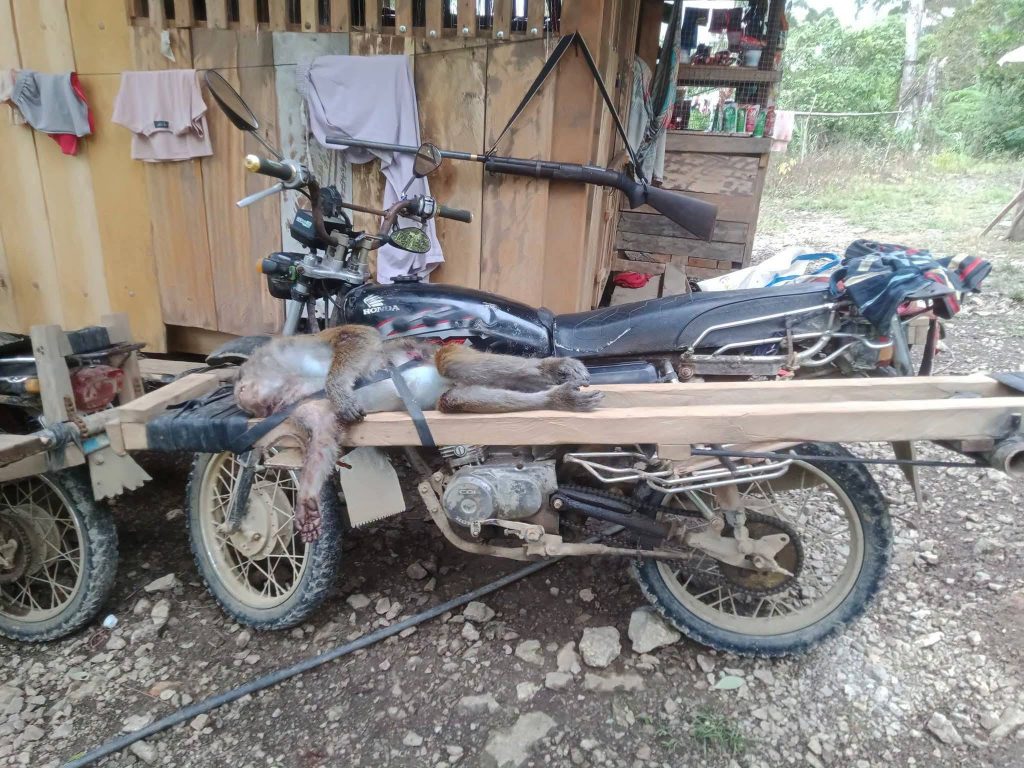
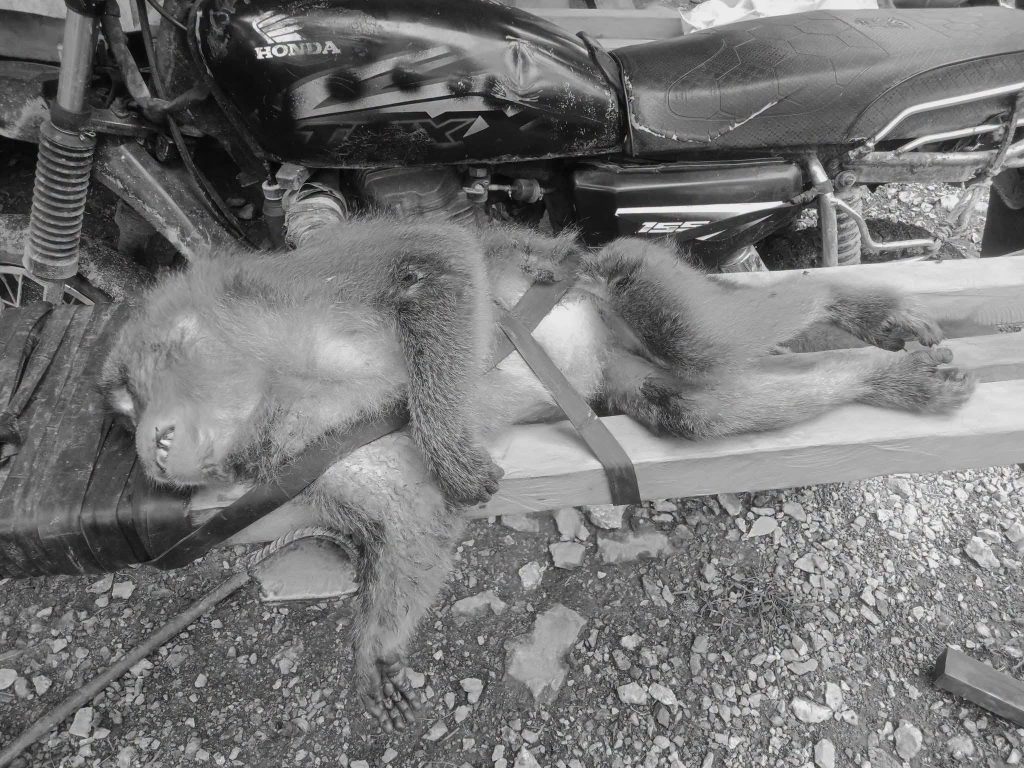
Photos uploaded on Facebook by a certain Marjhun Mandaguio Robantes circulated widely after users noticed the lifeless monkey strapped to a motorcycle in what was reported to be an area in Davao Oriental. The images also allegedly showed visible wounds sustained by the animal before its death, prompting strong reactions from animal welfare advocates and concerned citizens.
Several netizens described the act as inhumane and demanded that authorities identify and hold accountable those responsible for the killing of the animal. Others warned that the individuals involved could face criminal charges for animal cruelty and illegal wildlife hunting.
Under the Wildlife Resources Conservation and Protection Act of 2001 or Republic Act No. 9147, the hunting, killing, capturing, or possession of wildlife species without proper permits from the Department of Environment and Natural Resources (DENR) is prohibited. The Philippine Long-Tailed Macaque, one of the country’s known monkey species, is protected under the law and classified as an “Other Threatened Species.”
Violators of the law may face fines and imprisonment depending on the gravity of the offense and the conservation status of the animal involved.
Concerned citizens also cited possible violations of the Animal Welfare Act (Republic Act No. 8485 as amended by RA 10631), which penalizes acts of cruelty, torture, neglect, or unlawful killing of animals.
Adding to the controversy, netizens also pointed to previous Facebook posts allegedly uploaded by the same individual showing a civet cat, locally known as musang or alamid, being butchered and cooked.
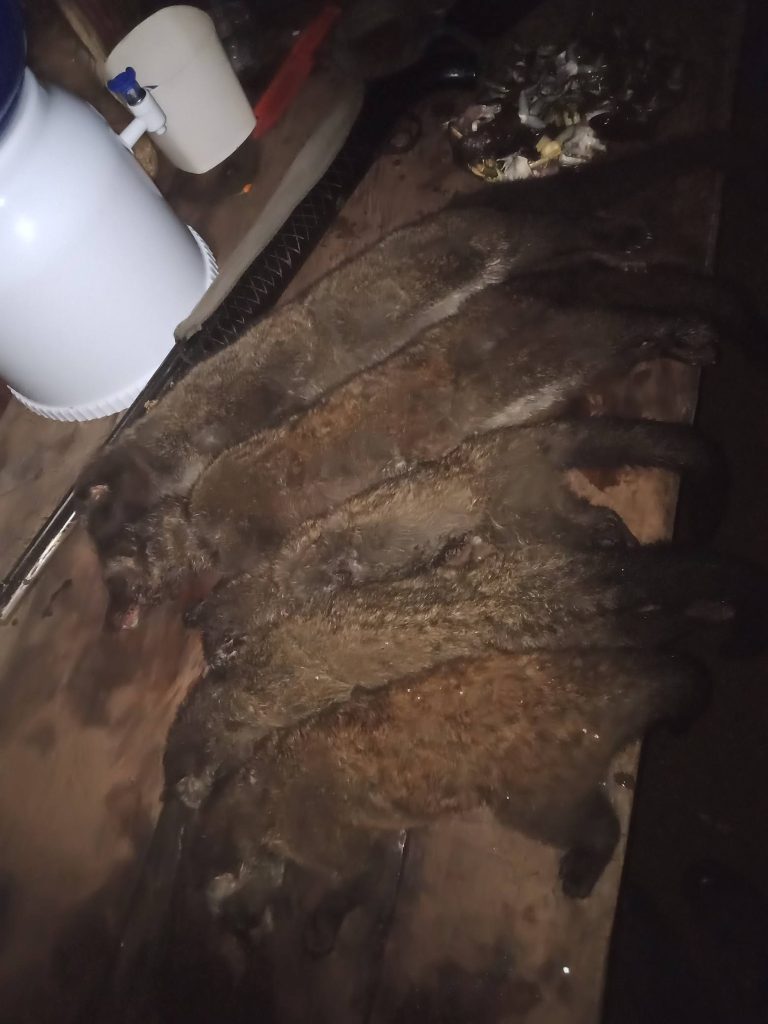
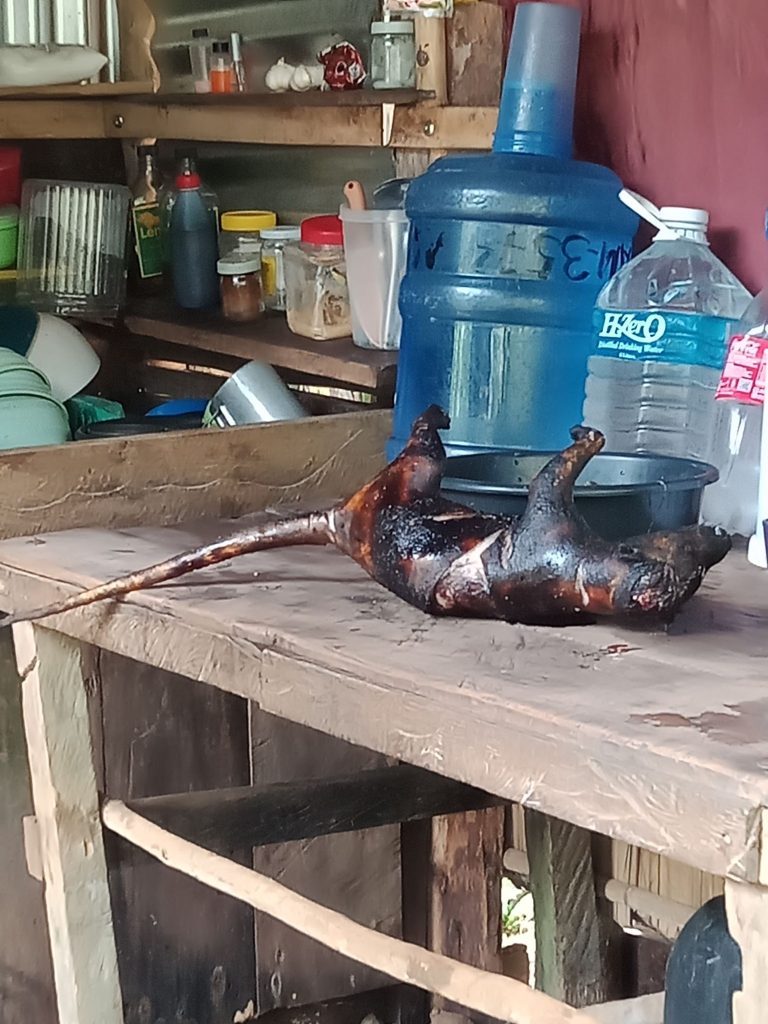
Although the Philippine Palm Civet is currently classified internationally as a species of “Least Concern” and is not considered endangered, it remains protected under Philippine wildlife laws. Under RA 9147, hunting, trapping, transporting, trading, or keeping civets without appropriate DENR permits and documentation is illegal.
Environmental advocates emphasized that wildlife species play a vital role in maintaining ecological balance and should not be harmed or exploited illegally.
As of this writing, the Department of Environment and Natural Resources has yet to issue an official statement regarding the viral posts and the possible filing of charges related to the incidents.