
MALABANG, Lanao del Sur — In a region where family feuds or rido have long threatened communities and disrupted generations of peace, a rare and meaningful breakthrough unfolded inside the Municipal Hall of Malabang on May 13 as two families formally reconciled through a peace dialogue spearheaded by the Ministry of Public Order and Safety.
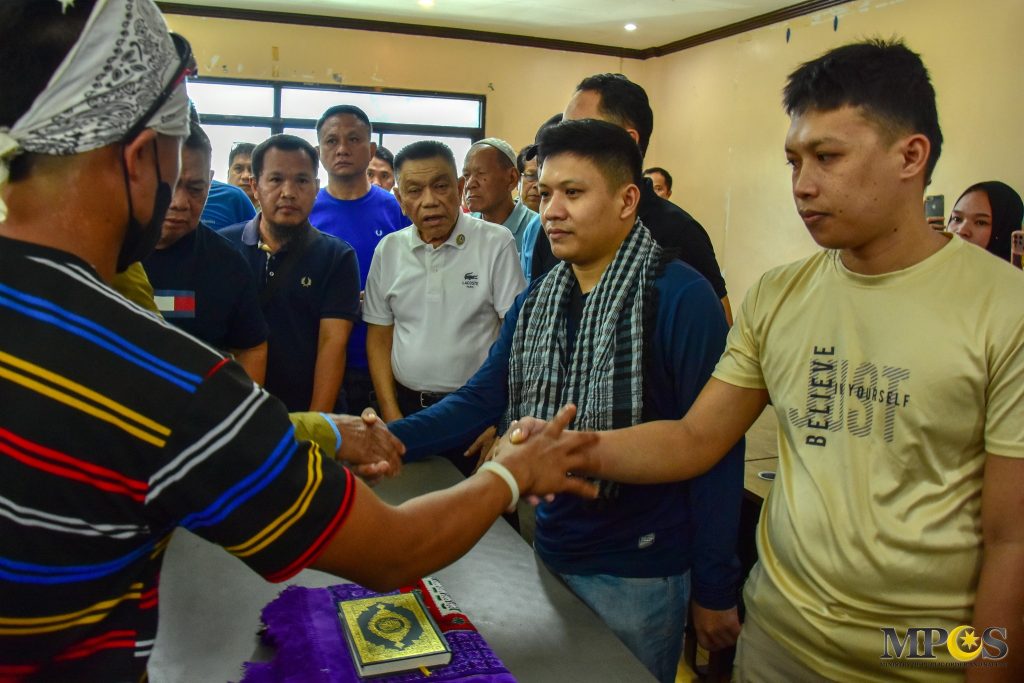
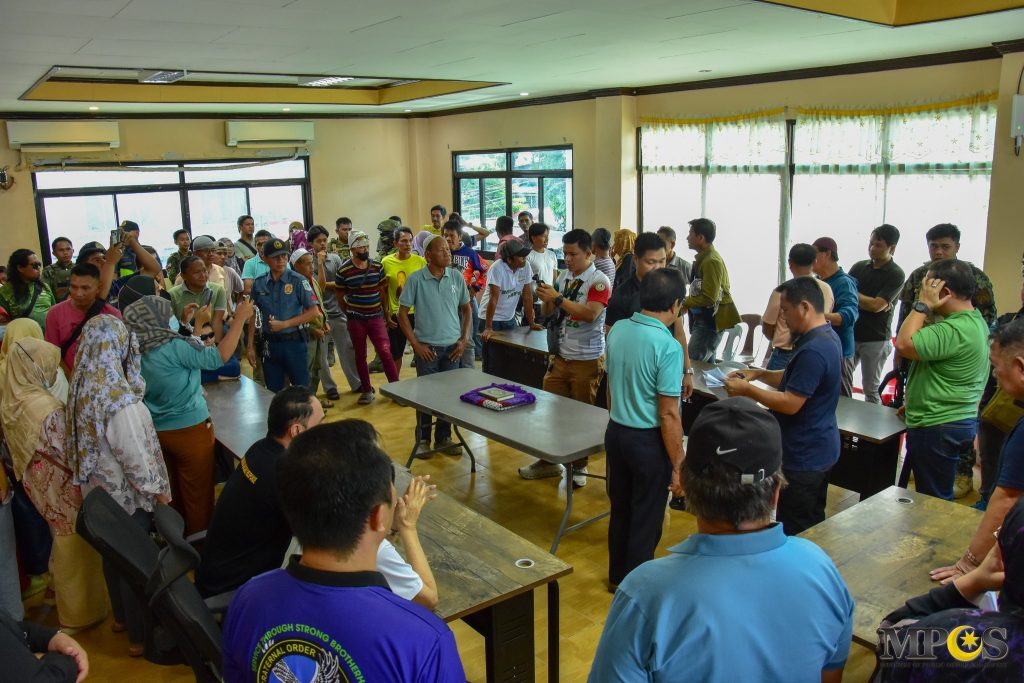
The successful settlement, facilitated by the Ministry in close coordination with the Local Government Unit of Malabang, the Malabang Municipal Police Station, the Philippine National Police, traditional elders, community leaders, and other stakeholders, marked another significant step in the continuing effort to strengthen peace and prevent violence in the Bangsamoro region.
For many communities in Mindanao, rido is more than a simple dispute. Rooted in clan conflicts, personal grievances, political rivalries, or retaliatory violence, these feuds often escalate into prolonged cycles of revenge that affect entire communities. Settling such conflicts requires more than legal intervention—it demands trust-building, mediation, cultural sensitivity, and the involvement of respected leaders.
During the peace dialogue, officials emphasized that reconciliation is essential not only for the families involved but also for the long-term stability of communities vulnerable to division and violence.
In his opening remarks, MPOS Deputy Minister Dr. Osmeña I. Montañer underscored the importance of peaceful dialogue and responsible leadership in resolving conflict.
He stressed that the Ministry’s objective in facilitating rido settlements is to restore understanding between parties and prevent conflicts from worsening into violence that could affect innocent communities.
Montañer described peacebuilding as both a social responsibility and a spiritual duty, emphasizing that reconciliation leads communities toward harmony, stability, and blessings. He noted that resolving disputes peacefully helps preserve unity among people and prevents suffering that prolonged conflict often brings.
“The settlement of rido is a path toward peace and reconciliation,” he conveyed, adding that maintaining harmony among families and communities is essential to preserving social order across the Bangsamoro.
The dialogue culminated in a peaceful agreement between the two families, symbolizing not only the end of a conflict but also the restoration of relationships strained by tension and mistrust.
Malabang Mayor Alinader “Dagar” M. Balindong expressed gratitude to the Ministry and all stakeholders who worked tirelessly to mediate the dispute and bring both parties to the negotiating table.
The mayor highlighted the importance of sincerity and unity in achieving genuine reconciliation, saying the successful settlement reflected the willingness of both families to move forward peacefully and honor their commitment to coexistence.
Community elders and local leaders also played a vital role in the mediation process, reinforcing the enduring influence of traditional conflict-resolution mechanisms in Moro communities. Their participation reflected the continued importance of cultural leadership in addressing disputes that formal institutions alone often struggle to resolve.
Peace advocates in the Bangsamoro region have long viewed rido settlement initiatives as critical to sustaining peace gains achieved in recent years. While armed confrontations and retaliatory attacks have declined in several areas, unresolved family feuds remain among the leading causes of localized violence in parts of Mindanao.
The Ministry reiterated that its peacebuilding initiatives will continue through strengthened mediation programs, community dialogues, and partnerships with local governments and grassroots leaders across the region.
As the two families shook hands in reconciliation, the event served as a reminder that amid histories of conflict and division, peace in Mindanao continues to be built not only through policies and security measures, but through dialogue, forgiveness, and the courage to choose unity over vengeance.