
LAMITAN CITY, Basilan — As the sun dipped below the horizon and the call to prayer echoed across the quiet hills of Parangbasak, soldiers of the Philippine Army and members of the Moro National Liberation Front (MNLF) gathered around a shared table—breaking not only their fast but also long-standing barriers through dialogue, fellowship, and a renewed commitment to peace.
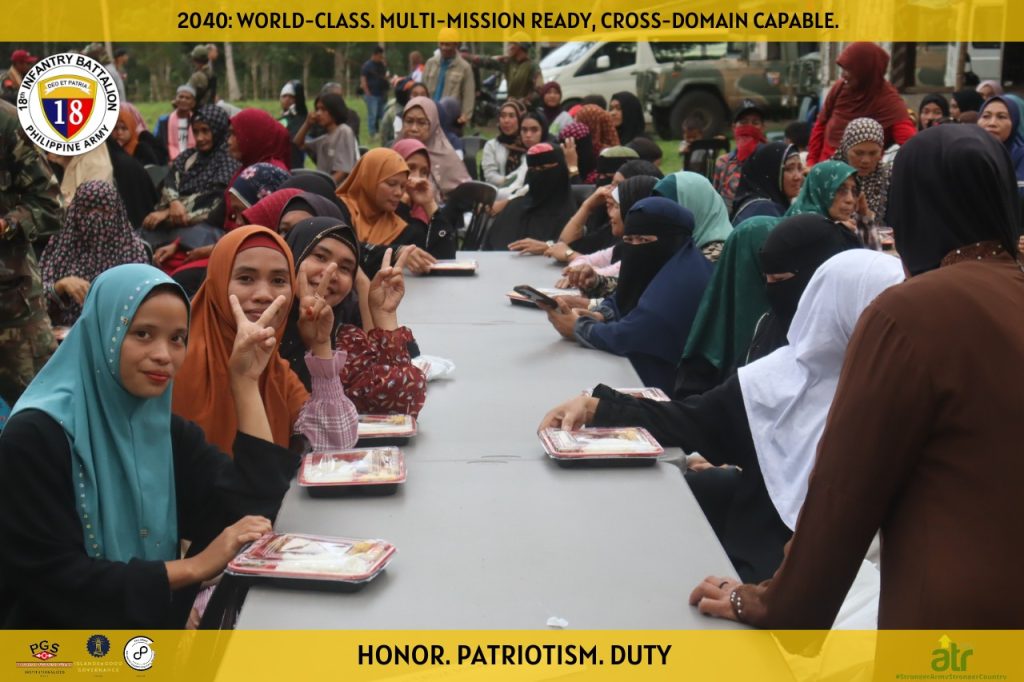
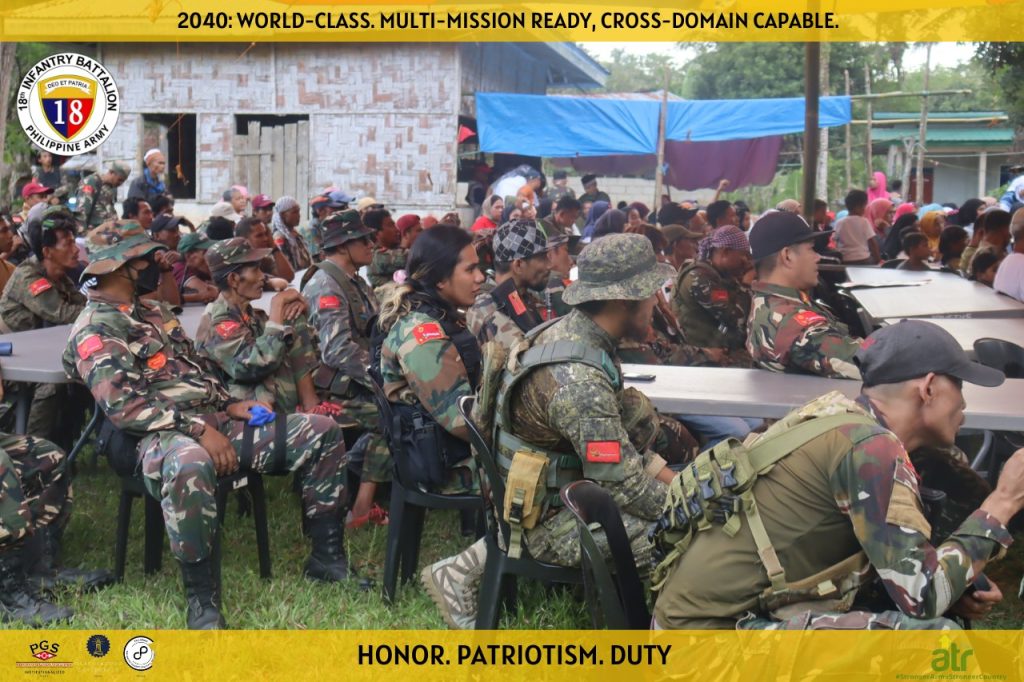
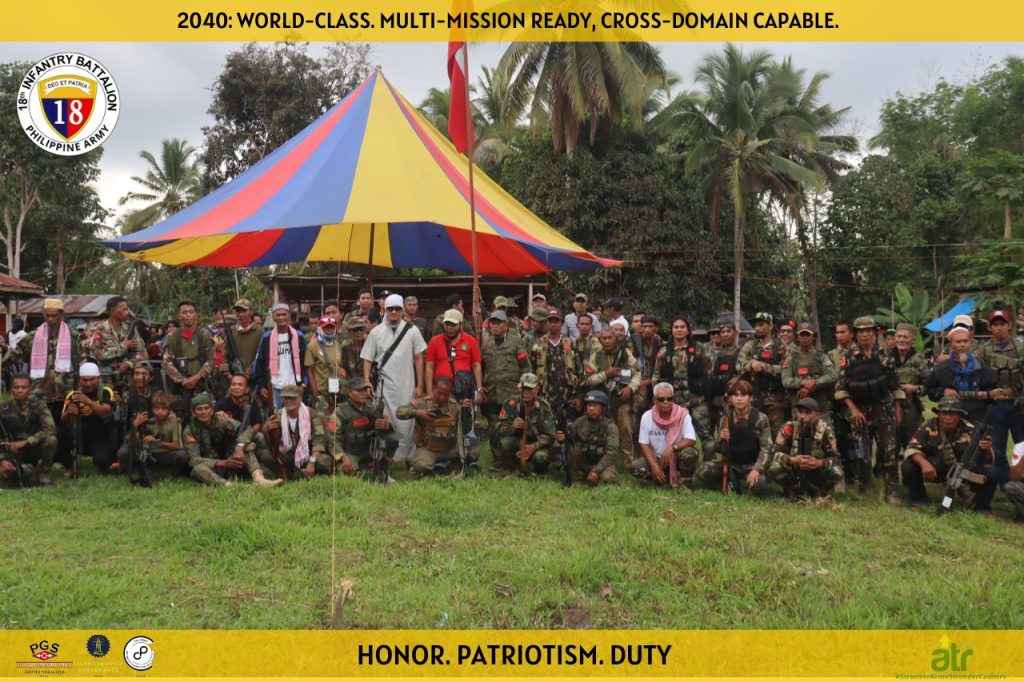
Troops from the 18th Infantry (Deo et Patria) Battalion hosted a solidarity and Iftar—the traditional evening meal that marks the end of daily fasting during the Muslim holy month of Ramadan—at Camp Sabaha in Barangay Parangbasak, Lamitan City, Basilan.
The gathering, spearheaded in coordination with the Office of the Presidential Adviser on Peace, Reconciliation and Unity (OPAPRU), aimed to deepen trust and cooperation between government security forces and Moro communities in the province, a region that has long been shaped by decades of armed conflict and efforts toward reconciliation.
Breaking Fast, Building Trust
As dusk settled in, soldiers and members of the MNLF sat side by side, sharing traditional meals and conversations in a simple yet symbolic gesture of solidarity.
For many participants, the event represented more than a religious observance—it was a testament to the gradual transformation of relationships between the military and former revolutionary groups in Basilan.
The solidarity iftar provided a rare and meaningful space where both sides could reflect on their shared hopes for peace while strengthening mutual respect and understanding.
Officials said the initiative underscores ongoing efforts by the government and peace stakeholders to nurture harmony and stability in Basilan, an island province that has experienced cycles of violence in past decades but is now steadily moving toward community-driven peacebuilding.
Peace as a Shared Responsibility
Lt. Col. Francis Tupas, commander of the 18th Infantry Battalion, emphasized that building genuine relationships with communities remains essential to maintaining peace and stability across the province.
“Activities like this remind us that peace is a shared responsibility,” Tupas said. “Through dialogue, respect, and cooperation, we can continue to strengthen our partnership with the MNLF communities and work together toward lasting peace and development in Basilan.”
According to the battalion commander, engagements such as solidarity iftars help bridge differences and reinforce the understanding that soldiers and local communities ultimately share the same goal: a safe and prosperous future for Basilan’s people.
Ramadan’s Message of Unity
Ramadan, one of the most sacred periods in Islam, is traditionally a time for reflection, compassion, generosity, and spiritual renewal.
By hosting the solidarity iftar, organizers hoped to highlight the deeper meaning of the holy month—unity among people despite differences.
For many attendees, the shared meal symbolized reconciliation and a collective commitment to continue strengthening collaboration between government forces and Moro communities.
As plates were cleared and prayers offered, the gathering served as a quiet but powerful reminder that peace in Basilan is not built only through policies or agreements, but also through simple human moments—sitting together, listening to one another, and sharing a meal at the end of a day of fasting.
In a province once marked by mistrust and armed struggle, such gestures now stand as signs that dialogue and cooperation are slowly reshaping the path toward enduring peace.