
Lamitan City, Basilan — A bitter conflict that claimed more than 20 lives and displaced dozens of families over the past decade was formally laid to rest on Monday as three families linked to the Moro Islamic Liberation Front (MILF) signed a historic reconciliation agreement in Lamitan City, marking one of the largest clan peace settlements under the current provincial administration.
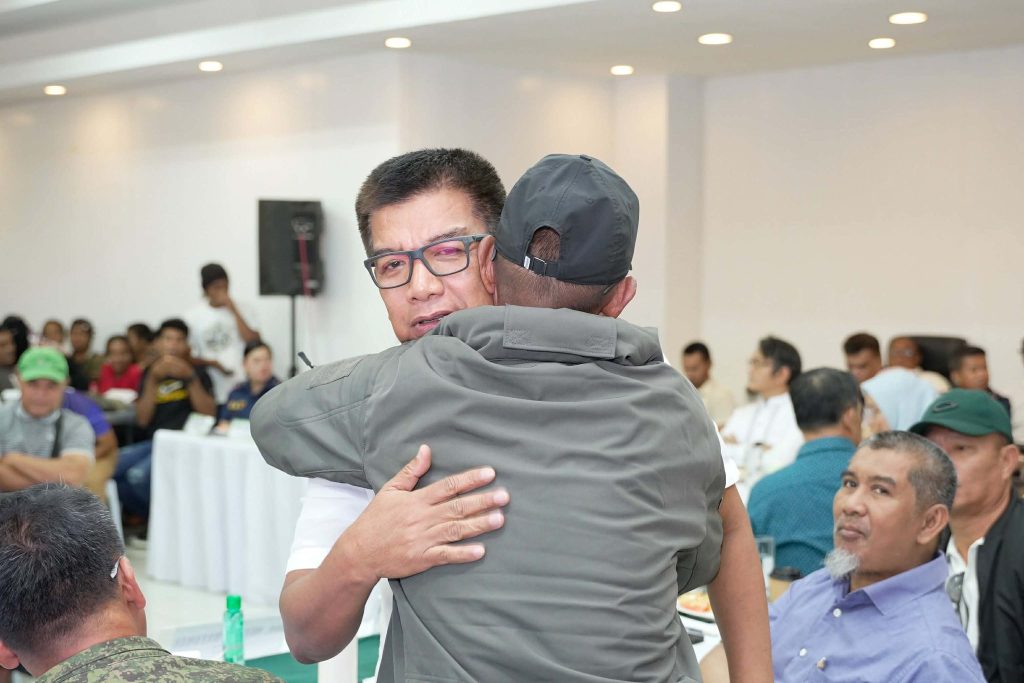
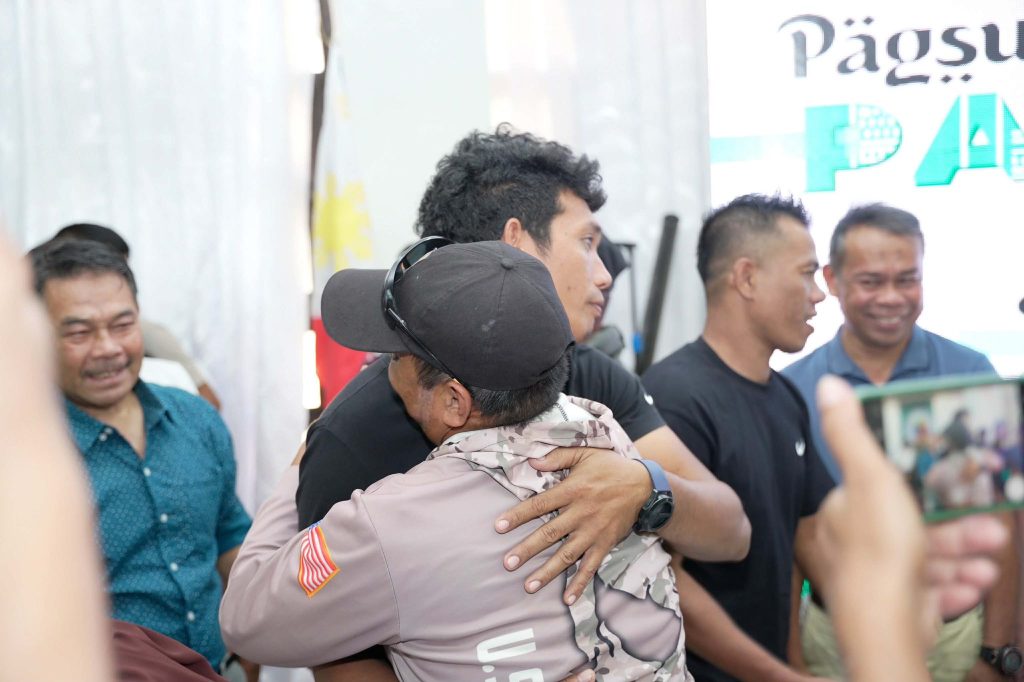
The reconciliation, locally known as “Pägsulut Duk Pägduwä’ä PAGBANTA,” was held at the Raayat Hall of the Basilan Provincial Capitol and brought closure to a feud that began in 2009 involving the families of Commander Tanad Yunus, Commander Arasad Addala, and Gani Tiblani. Records show the violence affected at least 26 families and spilled across the municipalities of Al-Barka, Mohammad Ajul, and Tuburan after personal disputes escalated into armed confrontations.
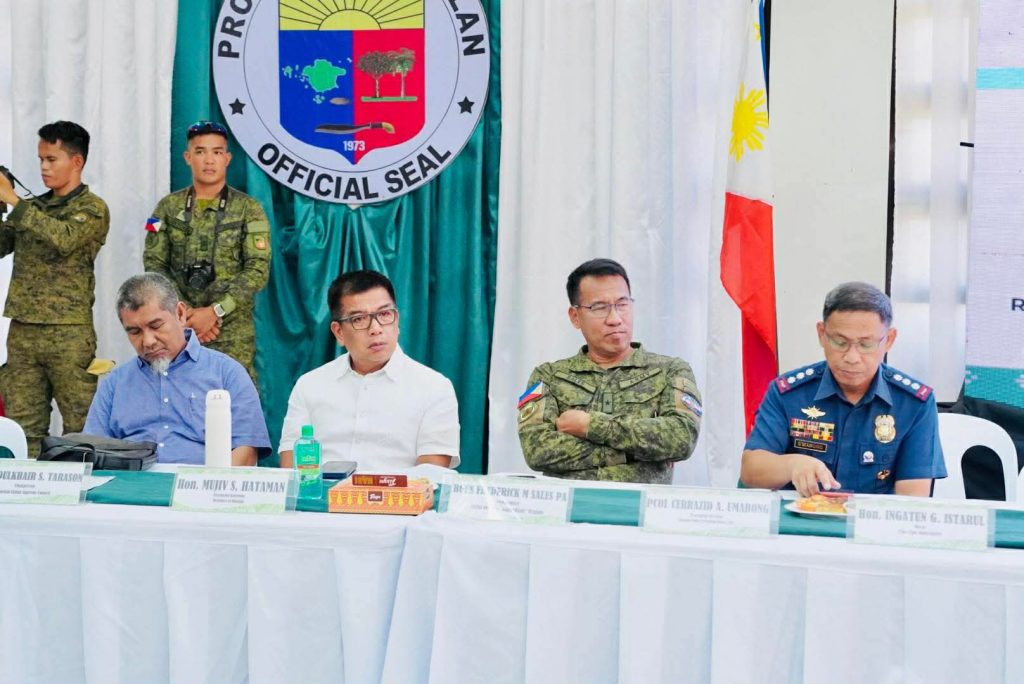
The peace process was spearheaded by the Provincial Government of Basilan under Governor Mujiv Hataman, with the support of the 1101st Infantry Battalion, the Basilan Provincial Police Office, and the Basilan Council of Elders. The agreement raised to eight the total number of major clan feuds resolved during Hataman’s administration.
“This moment proves that peace is possible even after decades of pain and division,” Hataman said during the ceremony. “When security forces, elders, and communities work together, even former enemies can become partners in development. Our children deserve a future free from fear, and our families deserve lives built on unity.”
Hataman stressed that peace is a prerequisite for development, noting that long-standing conflicts have stalled economic growth and disrupted daily life in affected communities. “True progress cannot flourish amid violence. Peace is the foundation of all our aspirations for Basilan,” he said.
Police Colonel Cerazid A. Umabong, provincial director of the Basilan police, described the agreement as the most extensive reconciliation effort so far. “This shows that many people genuinely want peace. True courage today means choosing dialogue over violence,” he said.
Local executives also welcomed the breakthrough. Akbar Mayor Alih A. Sali said the initiative would help foster economic stability, while Tuburan Mayor Durie S. Kallahal expressed interest in replicating the model in his municipality.
The signing was witnessed by Brig. Gen. Frederick M. Sales, commander of the 1101st Brigade of the 1st Infantry Division; Aboulkhair Tarason, Mufti of Darul Ifta’ Basilan; provincial board members Nasser Salain and Ronie Hantian; leaders of the Basilan Ulama Supreme Council; members of the Council of Elders; and prosecutors who ensured the agreement carried legal and moral accountability.
Provincial officials said the reconciliation was designed not merely as a ceremonial gesture but as a binding commitment anchored on community responsibility, religious guidance, and sustained monitoring—offering renewed hope that long-troubled areas of Basilan can finally turn toward lasting peace and shared progress.