
In the rugged hills of Barangay Cuarinta in San Jose, Dinagat Islands, where barren soil once seemed to surrender to time and typhoons, now stands a lush 45-hectare sanctuary of life. It is here—on land that many once deemed hopeless—that Magsasaka Siyentista Elvis A. Dela Merced, MPA, planted more than just crops. He planted faith, courage, and an enduring legacy of hope.
For nearly four decades, Elvis has been transforming this once-degraded landscape into the thriving Dela Merced Diversified and Integrated Organic Farm, a model of sustainable agriculture and community empowerment in Caraga. His journey is not simply a story about farming. It is a profound testament to resilience—one that proves how a single person’s conviction can heal land, uplift lives, and spark a movement.
A Vision That Took Root in Barren Ground
When Elvis began working on these hillsides in 1988, climate change was beginning to tighten its grip on the Dinagat Islands. The mountains were bare, the soil tired, and the community discouraged. But where others saw an impossible task, he saw a future forest, a food source, and a community reborn.
“The land looked hopeless back then,” Elvis shares. “But I believed that with patience and faith, this earth could heal—and so could our people.”
His early years were marked by struggle. There were no roads leading up the hills, no equipment, and often no helping hands. Supplies had to be hauled through slippery slopes, and typhoons repeatedly washed away newly planted seedlings. Still, Elvis persevered. He understood that farming, like faith, requires patience—that growth happens quietly, beneath the soil, long before anyone sees the result.
From Orphan to Farmer-Scientist and Community Leader
What makes Elvis’s story even more compelling is where he began. Losing his parents at a young age, he grew up understanding hardship intimately. But he also learned early on that purpose can grow from pain. He devoted his life not only to farming but to serving others—guided by humility, prayer, and an unwavering belief that communities flourish when knowledge is shared.
Today, Elvis is not just a farmer. He is a Magsasaka Siyentista, a farmer-scientist recognized for applying science-based sustainable technologies in real farm settings. He leads several organizations, including:
- MASACA – Magsasaka Siyentista ng Caraga Inc., as President
- MS National Federation, as National President
- CALESA, as Vice Chairman
- LETTI, as Chairman
Through these roles, he continues to bring technical support, innovative farming systems, and hope to farming communities across Caraga and beyond.
A Farm That Feeds, Teaches, and Transforms
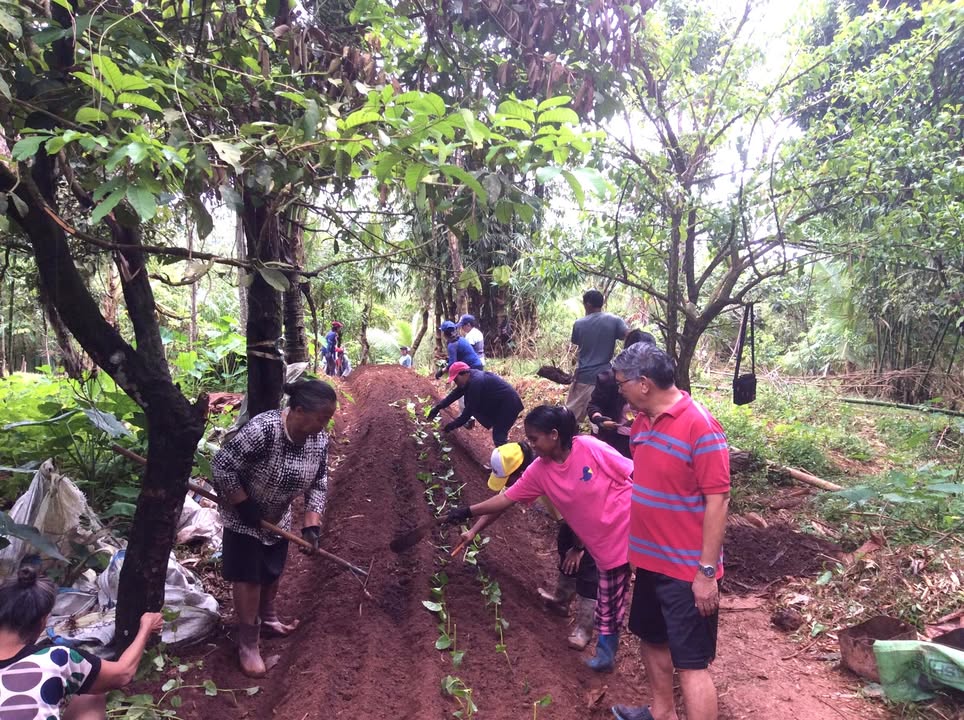
The Dela Merced farm is now a living laboratory of organic and diversified agriculture. It is recognized as a Learning Site for Agriculture (LSA), a School for Practical Agriculture (SPA), and a training ground for hundreds of farmers and students.
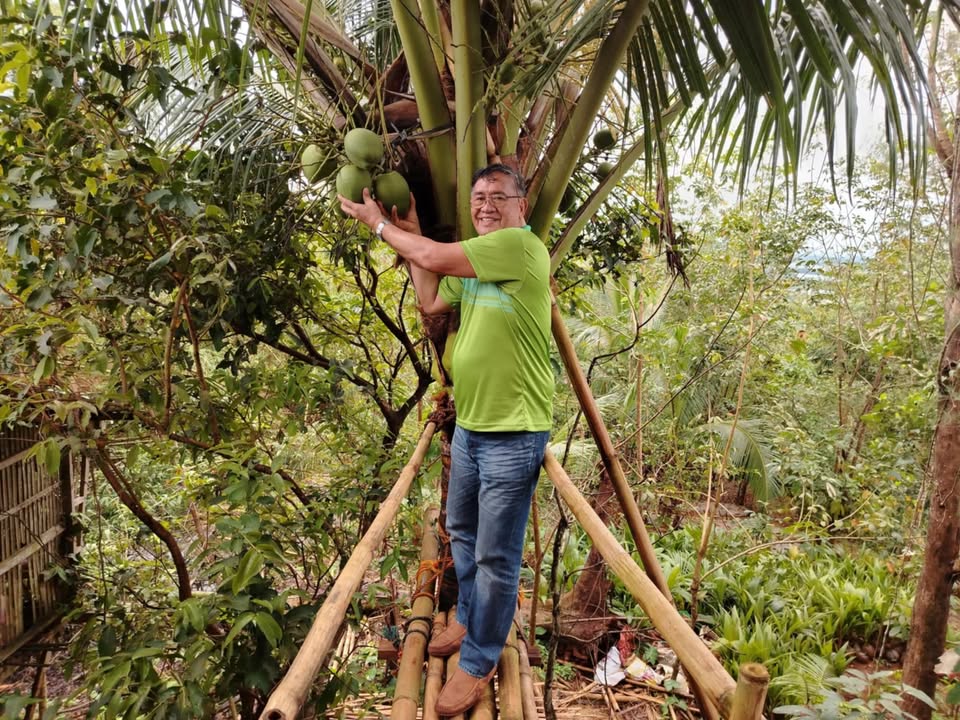
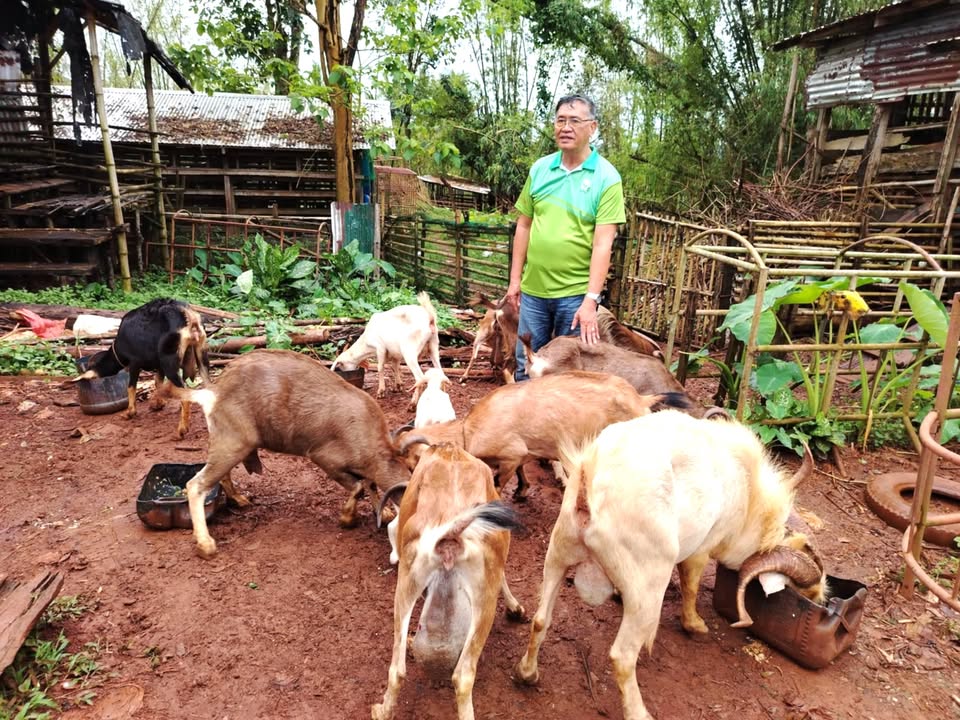
Here, towering bamboo groves dance with the wind. Dragon fruit climbs trellises. Goats, chickens, and coconut-based agroforestry systems thrive. Tilapia ponds shimmer under the sun. And every corner of the farm carries the quiet imprint of Elvis’s hands—and heart.
His farm also generates a steady income through goats and poultry, reaching ₱300,000 per month, allowing him to sustain farm operations and provide stable wages to his workers. Beyond business success, it is a place where hope is cultivated daily.
Maria Lopez, a young farmer who trained under Elvis, recalls how her life changed:
“Before, I didn’t believe farming could give me a future. But Kuya Elvis showed us that when you farm with purpose, you grow more than crops—you grow possibilities.”
Knowledge Grows When Shared
One defining moment in Elvis’s journey was meeting agriculture journalism icon Zac B. Sarian, whose visit to Dinagat Islands in 2013 brought national attention to Elvis’s innovative squash production technique—allowing vines to thrive and bear fruit for up to six years with proper organic nutrient management.
Through this encounter and the rise of digital platforms, Elvis expanded his network and knowledge base, proving that even a farmer from a remote island can be part of the global agricultural movement.
Partnerships That Strengthened His Mission
Elvis’s collaboration with ATI, TESDA, DTI, DA, DAR, and the LGU of Dinagat Islands provided crucial training, farm inputs, livestock, and technical guidance. These partnerships reinforced his belief that sustainable progress happens when government and communities work hand in hand.
From a lone farmer hauling supplies up steep hills, Elvis has become a teacher and guide to thousands—a living example of how support, synergy, and shared learning transform livelihoods.
A Legacy Planted Deep in the Soil
Despite his achievements, Elvis remains grounded. His dreams continue to grow—expanding the farm into a premier agri-tourism destination, building dormitories for trainees, and reaching a ₱5-million annual net income to further strengthen operations and community programs.
But beyond all ambitions, what matters most to him is service.
His message to fellow farmers is simple, yet deeply powerful:
“Pangandoy. Paningkamot. Panaghiusa. Pag-ampo. Pagtudlo. Padayon sa pagtanum.”
(Dream. Work hard. Unite. Pray. Teach. Keep planting.)
He continues:
“Success isn’t just about harvests or income. It’s about growing trust, knowledge, and a future for the next generation.”
A Story That Inspires a Region—and a Nation
Today, the once-desolate hills of Cuarinta stand as vibrant proof of what perseverance can build. Elvis’s farm is more than land—it is a classroom, a sanctuary, and a source of hope for Caraga’s farming communities.
His journey—from orphan to national agricultural leader—reminds us that success is grown patiently, nurtured with purpose, and shared generously.
As the coconut trees in Cuarinta reach toward the sky, so does the legacy of Magsasaka Siyentista Elvis Dela Merced, inspiring young farmers, local communities, and the entire Caraga Region to believe that with grit, compassion, and faith, even the most barren hills can bloom again.
His story is not just about planting seeds—it is about planting futures.
Contributed by Vic Thor Palarca