
Farmers set to roll out quality-focused trainings across the region, boosting competitiveness and market value
PIGTAURANAN, BUKIDNON — Twenty-five coffee industry stakeholders from the provinces of Maguindanao, Lanao del Sur, Basilan, and Sulu are now gearing up to elevate the quality and market value of Bangsamoro-grown coffee after completing a rigorous five-day post-harvest and processing training.
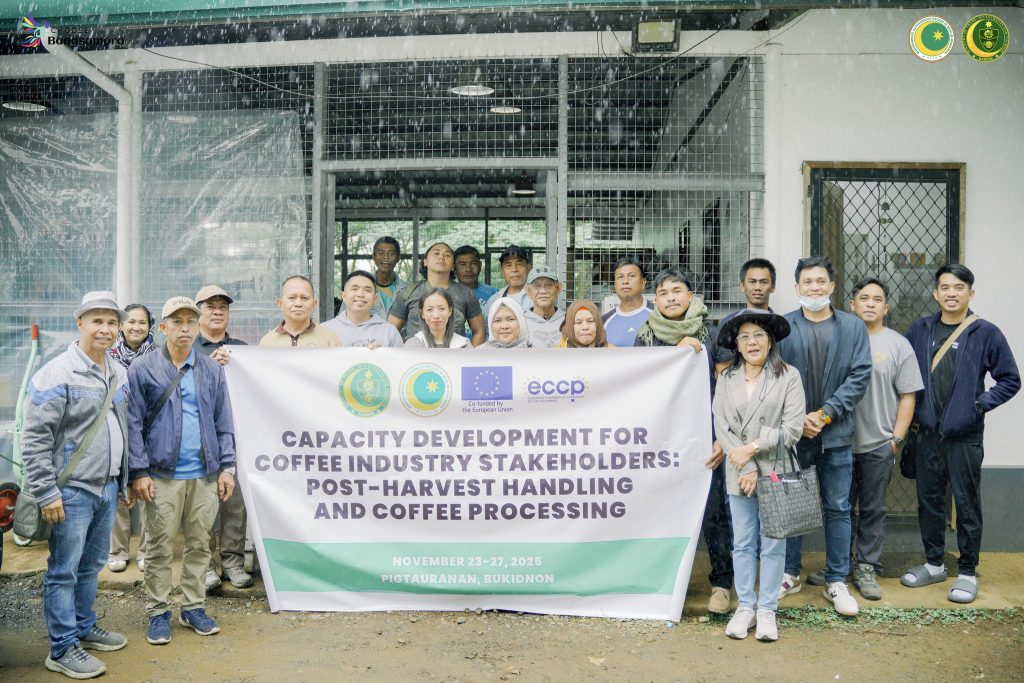
Held from November 23–27, 2025, at Curve Coffee Collaborator in Pigtauranan, the program—officially titled “Capacity Development for Coffee Industry Stakeholders: Post-Harvest Handling and Coffee Processing”—equipped participants with world-class skills vital for producing premium-grade beans.
The initiative brought together coffee farmers and representatives from the Ministry of Trade, Investments and Tourism (MTIT) provincial offices. Over the course of the training, they learned how to transform ordinary green coffee beans into high-value specialty beans through meticulous post-harvest handling, processing, and quality control methods.
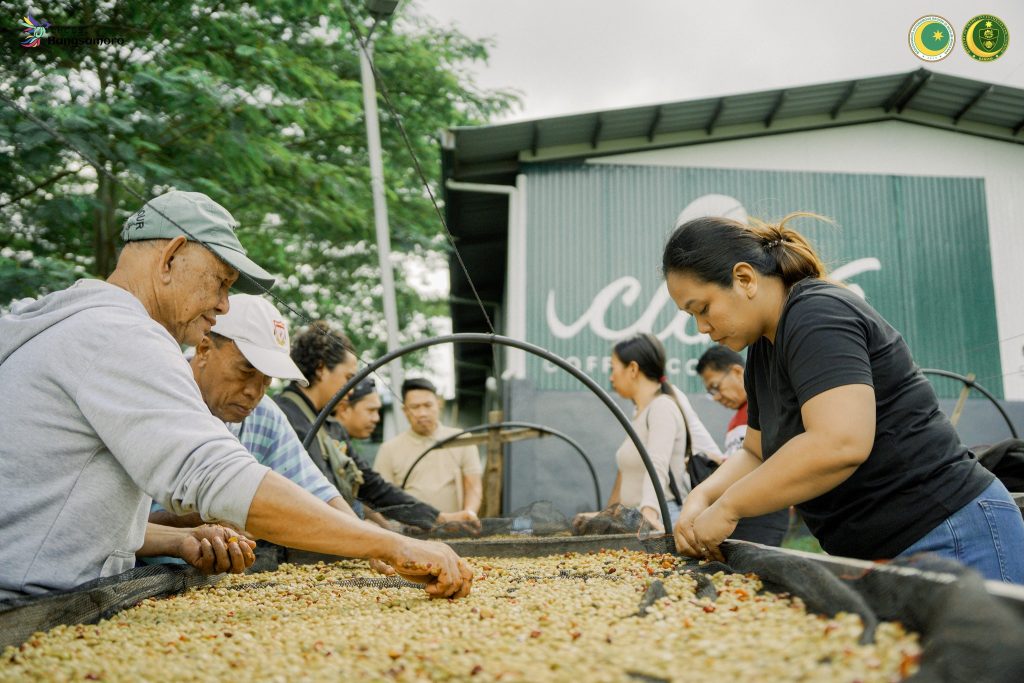
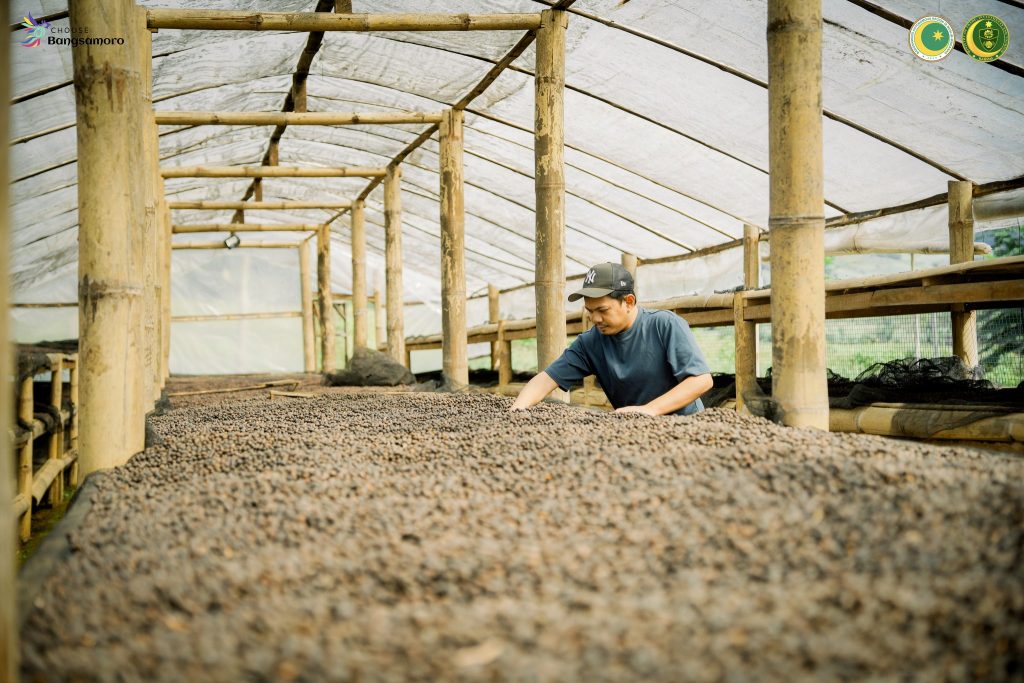
Participants gained hands-on experience in critical processes such as coffee berry sorting, fermentation techniques, environmental monitoring, and the proper use of equipment. They also deepened their understanding of main processing methods and the science behind achieving distinct and desirable flavor profiles.
A Training of Trainers (TOT) approach amplified the program’s impact, preparing participants not only to implement the techniques themselves but also to cascade these skills to their respective communities. A highlight of the program was an Arabica Farm Tour, which showcased sustainable farming practices and real-world applications of quality-focused systems.
The capacity-building effort was implemented by the Bureau of Trade and Industry – Industry Development and Investment Promotion (BTI-IDIP) Division through the GEARED Program of the MTIT, in partnership with the BAEP-CRESCENT Project, co-funded by the European Union and implemented by the European Chamber of Commerce of the Philippines (ECCP).
With newfound proficiency in post-harvest handling and coffee processing, the trainees have committed to conducting similar trainings for farmer-members across the Bangsamoro Autonomous Region in Muslim Mindanao (BARMM).
This move is expected to help build a stronger, more competitive, and more sustainable coffee industry—one that positions Bangsamoro coffee as a premium product in both local and global markets.