
June 4, 2025 – Cagayan de Oro City
In the early morning haze of June 4, 1900, the dense forests of Macahambus Hill in Cagayan de Oro bore witness to a fierce encounter that would etch itself into the annals of Philippine history. Today, 125 years later, city officials, police officers, and citizens gathered once more—this time not for battle, but for remembrance.
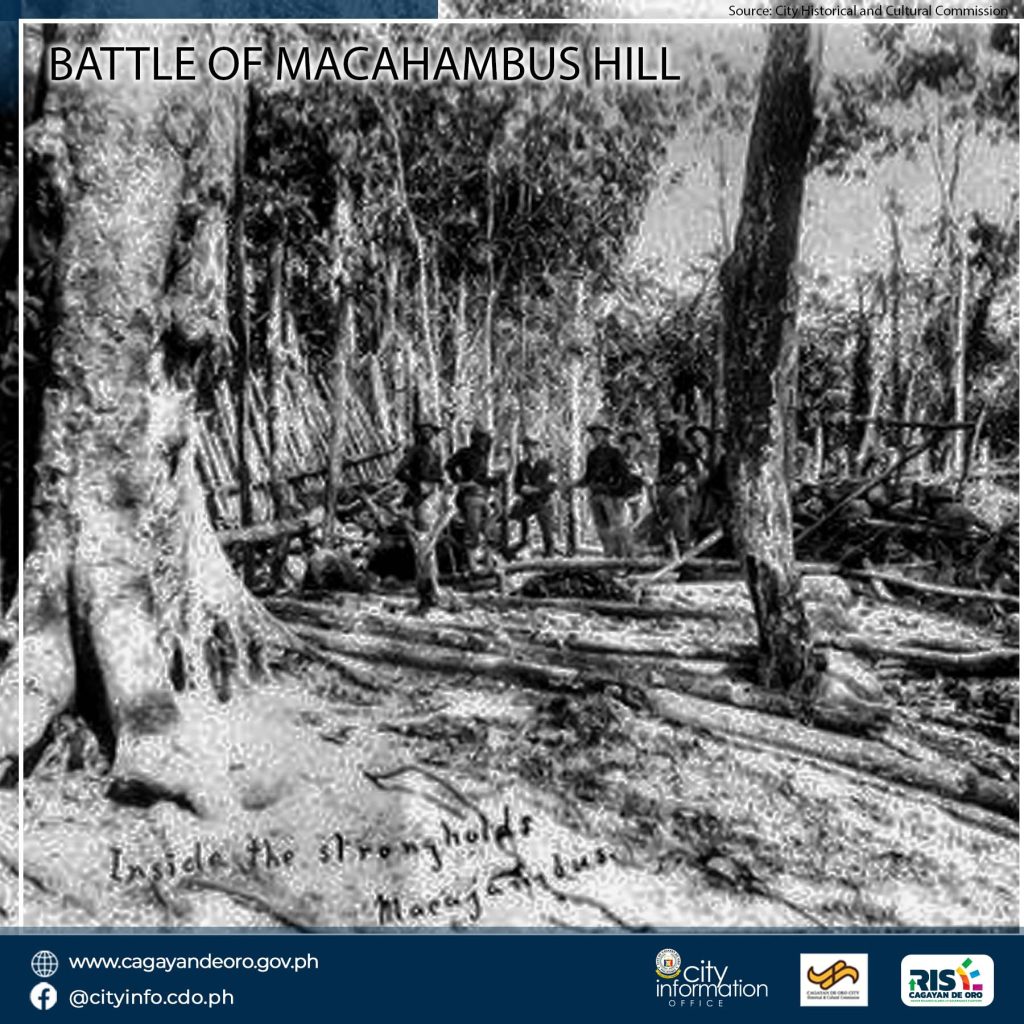
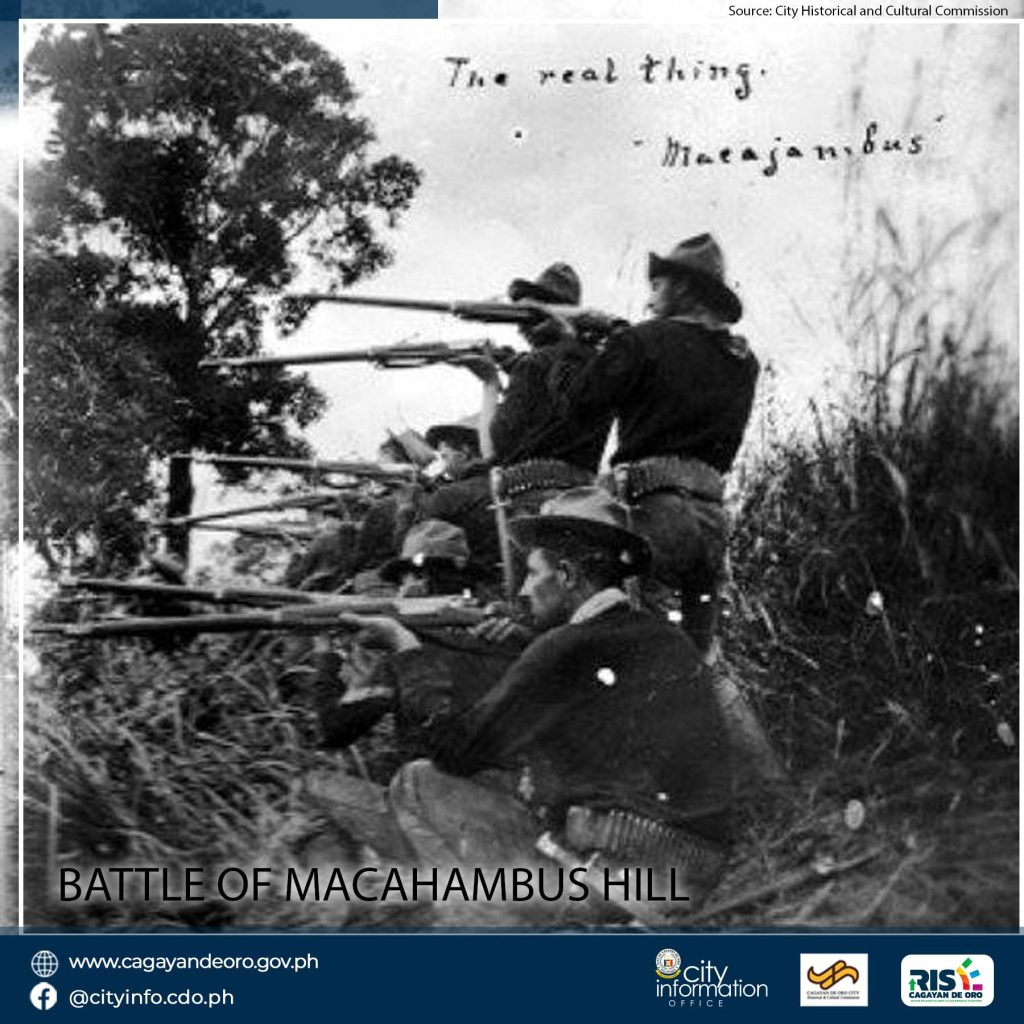
The wreath-laying ceremony held at the City Hall Executive Grounds, led by Mayor Rolando “Klarex” Uy and Cagayan de Oro City Police Office (COCPO) Director PCOL Salvador N. Radam, marked the 125th anniversary of the Battle of Macahambus Hill. The commemoration served not only as a tribute to the fallen heroes but also as a reminder of the courage and determination of the Kagay-anon resistance during the Filipino-American War.
The Battle that Defied a Superpower
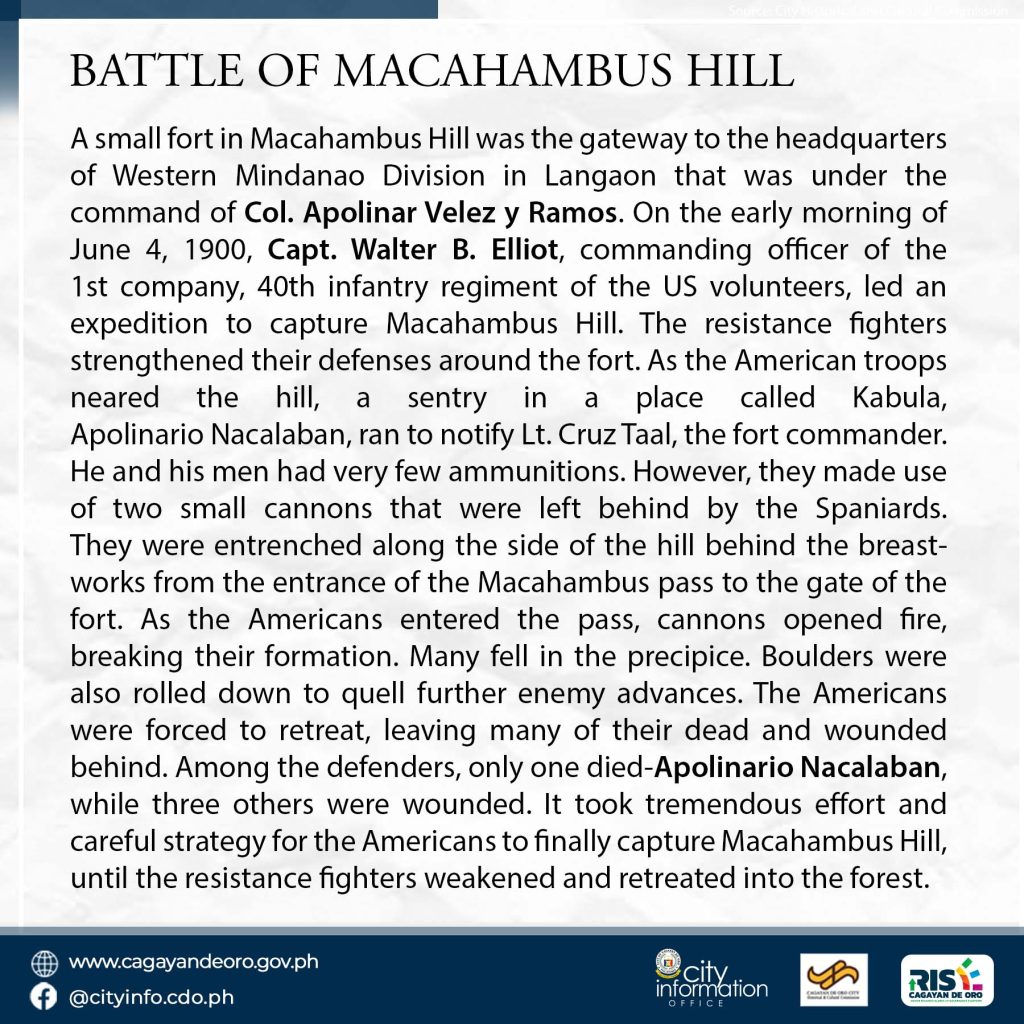
Back in 1900, as the tide of the Filipino-American War swept through the archipelago, a small fort hidden within Macahambus Hill stood as the stronghold of the local resistance in Northern Mindanao. It was under the command of Lieutenant Cruz Taal and strategically served as a gateway to the headquarters of the Western Mindanao Division, led by Colonel Apolinar Velez y Ramos.
When Captain Walter B. Elliot of the 1st Company, 40th Infantry Regiment of the U.S. Volunteers launched an expedition to capture the fort, he underestimated the tenacity and ingenuity of the defenders. Forewarned by a sentry named Apolinario Nacalaban, the fort’s defenders prepared for battle with meager resources. Though short on ammunition, they made effective use of two small cannons—remnants of the Spanish occupation—and fortified their positions behind thick breastworks carved into the side of the hill.
As the American troops entered the narrow Macahambus Pass, they were met with a sudden and deadly volley. The cannons roared, breaking their formation. Chaos ensued as soldiers fell to the ravine below, while massive boulders rolled from above crushed further advances. The Americans, overwhelmed by the terrain and the ferocity of the attack, were forced into retreat, leaving behind their dead and wounded.
In a poignant twist of fate, the defenders suffered minimal losses—only one fatality, Apolinario Nacalaban, whose early warning likely saved the garrison. Three others were wounded.
Though the Americans would eventually succeed in occupying the hill after relentless attempts, the initial victory at Macahambus was significant. It was one of the few successful Filipino ambushes against American forces in Mindanao, proving that even the most heavily armed empire could falter against a people determined to fight for their homeland.
A Legacy Etched in Memory
The annual commemoration of this battle is more than a ceremonial ritual; it is a reaffirmation of identity and pride for the people of Cagayan de Oro. “Their courage and sacrifice paved the way for the freedom we now enjoy,” said Mayor Uy, echoing the sentiments of generations who continue to draw inspiration from the defenders of Macahambus Hill.
As flags fluttered under the June sun and floral wreaths were laid in solemn tribute, attendees were reminded that the struggle for independence was not won in the halls of power, but in the forests, hills, and hearts of brave Filipinos—like those who stood their ground on Macahambus Hill.
Conclusion
History may move ever forward, but in moments like these, the past calls out to be heard. The story of Macahambus Hill is not merely one of war—it is a story of defiance, unity, and unyielding hope. And for the people of Cagayan de Oro, it is a story worth retelling, year after year.