
Reintegration initiative seeks to reconnect vulnerable families reached in Davao Region with their communities of origin and provide them with a pathway toward safer and more stable living conditions.
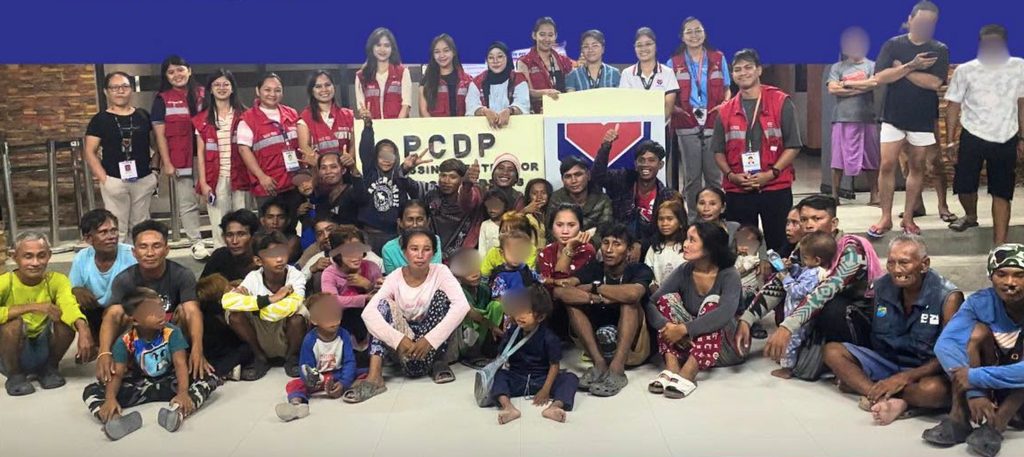
Thirty-eight members of the Badjao indigenous community from the Bangsamoro Autonomous Region in Muslim Mindanao (BARMM) have been transported to Zamboanga City through the Department of Social Welfare and Development (DSWD) Field Office XI’s Pag-abot Program, in an effort to reconnect vulnerable individuals with their communities of origin and facilitate their reintegration.
The group was transported on November 5, 2026, following a series of reach-out activities conducted by the Pag-abot Program across different areas of the Davao Region. The individuals were among those identified and assisted by the program during its efforts to reach people and families living on the streets and in other vulnerable circumstances.
According to the information provided by DSWD, the 38 individuals underwent profiling and were encouraged to return to their respective places of origin. After they expressed their willingness to return, the Pag-abot Program XI arranged the necessary preparations and support to ensure that their journey to Zamboanga City would be safe and orderly.
The group originated from the island provinces of Tawi-Tawi and Sulu in BARMM, with Zamboanga City serving as their destination for the reintegration activity.
Beyond transportation: Addressing the vulnerabilities of street-dwelling communities
The initiative highlights an important dimension of social welfare intervention: helping vulnerable individuals move beyond immediate street-level assistance and reconnecting them with communities where they can potentially access more sustained support.

For indigenous communities such as the Badjao, individuals living away from their places of origin may face multiple challenges, including limited access to basic services, economic insecurity, and difficulties maintaining stable living conditions. However, returning to their communities is only one part of the reintegration process. Sustained assistance and access to appropriate social services are essential to making such returns meaningful and lasting.
The DSWD’s Pag-abot Program is designed to reach individuals and families experiencing street-based vulnerabilities, reduce the risks they face, and connect them with appropriate government interventions and support services.
Through its reach-out activities, the program identifies people who may need assistance, assesses their circumstances, and facilitates interventions intended to help them regain access to safer and more stable living arrangements.
Reintegration requires sustained community support
The November 5 operation represents part of the continuing implementation of the Pag-abot Program in the Davao Region. While the immediate objective was to facilitate the safe return of the 38 Badjao individuals to Zamboanga City, the broader goal is to help them rebuild their lives within their communities of origin.
Successful reintegration, however, involves more than bringing individuals back to their home provinces. It also requires appropriate follow-through, access to basic services, livelihood opportunities, and community support to address the circumstances that may have contributed to their vulnerability in the first place.
The DSWD Field Office XI’s initiative underscores the importance of coordinated social welfare interventions in reaching marginalized populations and helping them reconnect with their communities.
For the 38 Badjao individuals from Tawi-Tawi and Sulu, the return to Zamboanga City marks an important step in that process, with the longer-term success of their reintegration depending on the continued availability of support and services in their communities.