
DAVAO CITY, Philippines — Five years after visual artist Breanna Patricia “Bree” Jonson was found dead at a resort in San Juan, La Union, one question continues to confront her family: What happened to the National Bureau of Investigation’s investigation—and why has the family still not received its final report?
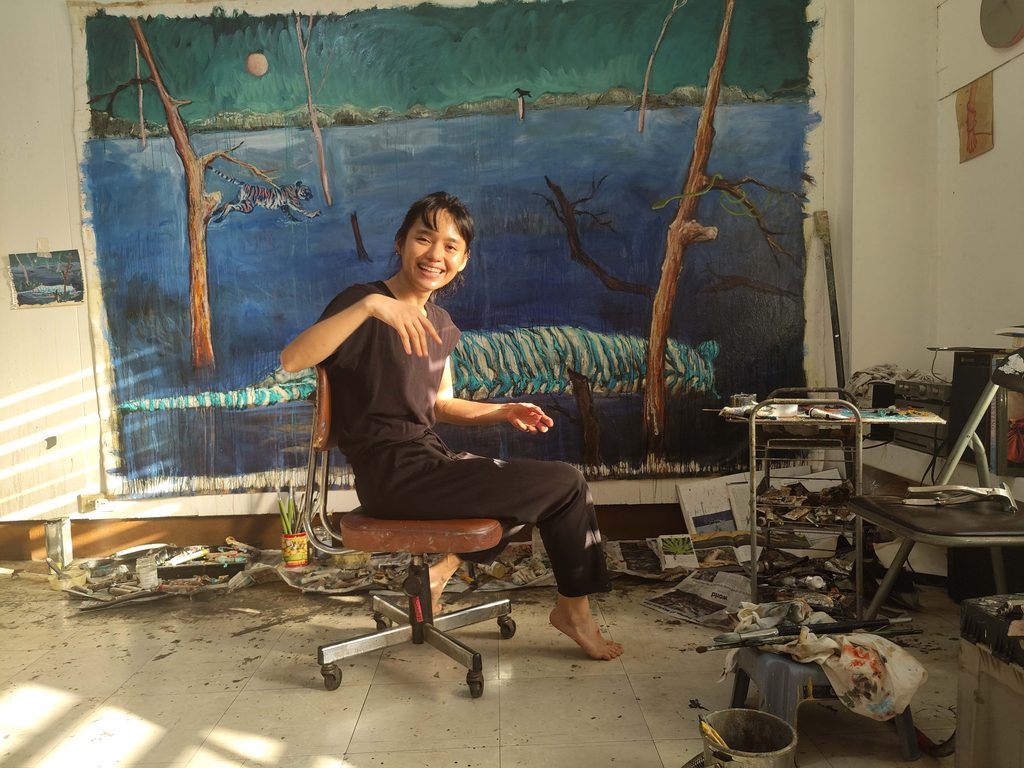
As the fifth anniversary of Jonson’s death falls on September 18, 2026, her family is renewing its demand for the NBI to account for the investigation it opened in the aftermath of her death, explain the status of evidence placed under its custody, and provide the final findings—or clearly state what investigative work remains and why it has taken five years.
For the Jonson family, the issue has increasingly become about more than the circumstances surrounding the death of a 30-year-old artist. It has become a question of institutional transparency, accountability and equal access to justice, particularly for families who must deal with national investigative agencies while living and working far from Metro Manila.
Jonson, born Breanna Patricia Jonson Agunod on July 25, 1991, was the only daughter of Vincent Agunod and Lady Dr. Sally Jonson. She spent formative years in Davao and studied at Ateneo de Davao University before earning a degree in industrial engineering and pursuing a career in visual art. Her work, particularly her depictions of wildlife and the natural world, earned recognition in the local art scene and eventually led to individual exhibitions, group shows and international invitations.
Her career was cut short on September 18, 2021, when she was found unresponsive inside a bathroom at a beach resort in San Juan, La Union, where she had been staying with her then-boyfriend, Julian Ongpin, the son of businessman Roberto Ongpin, a prominent businessman and former government official.
Ongpin told authorities that he found Jonson hanging inside the bathroom. Initial police findings identified asphyxia, or a lack of oxygen, as the cause of death. Jonson’s family, however, questioned the circumstances surrounding her death and disputed the suggestion that the available evidence conclusively established suicide.
The disagreement over what happened inside that resort room became the central controversy surrounding the case. The family pointed to physical findings it said warranted deeper examination, including bruising around Jonson’s neck and indications of a possible struggle. A medico-legal report cited by the family reportedly contained findings they considered inconsistent with a simple suicide narrative. Police investigators, however, maintained that their investigation did not establish sufficient evidence of foul play.
The conflicting accounts made the NBI’s subsequent involvement particularly significant. In September 2021, the Department of Justice ordered the bureau to conduct a parallel investigation into Jonson’s death. NBI personnel conducted their own forensic examination and autopsy and gathered evidence and statements connected to the case.
The investigation was therefore expected to provide an independent examination of the circumstances surrounding Jonson’s death and help resolve questions that had already emerged between the family’s account and the initial police findings.
Five years later, the family says that expected resolution has not come.
According to the Jonson family, material pieces of evidence connected with the case were placed under NBI custody. Yet despite repeated follow-ups over the succeeding years, the bureau has allegedly not rendered or furnished the family with a final investigative report explaining its conclusions.
The absence of a final report has become particularly difficult for Jonson’s mother, Salome, who is based in Canada as an overseas Filipino worker. The family says she has repeatedly returned to the Philippines to pursue updates, including follow-ups in Manila and Davao, only to be referred to different offices, asked to return or told to follow up again.
For a grieving mother, the issue is no longer simply about waiting for paperwork. It is about five years of uncertainty.
It is also about the burden placed on families who must navigate national institutions from outside the country’s political and administrative center. Every follow-up can mean travel, accommodation, legal expenses, time away from work and another round of requests for information.
The Jonson family says it has carried that burden while seeking what it considers a basic right of any family involved in a major criminal investigation: to know what government investigators found.
A renewed demand for executive action
The family’s lawyers renewed the matter with senior NBI officials in May 2026, formally seeking executive intervention and an urgent review of the status of the investigation. The requests included a status review, possible reconstitution of the investigative team, renewed forensic examination of CCTV and DVR evidence, and clarification of the status of evidence previously placed under NBI custody.
The requests reflect the family’s concern that an investigation launched in 2021 should not remain indefinitely suspended between an unfinished inquiry and an undisclosed conclusion.
If the NBI considers its investigation complete, the family wants the final report. If the investigation remains incomplete, the family wants the bureau to identify what remains to be done, why those steps have not been completed, and what is being done to bring the investigation to a conclusion.
The family is also asking whether previously collected CCTV and DVR evidence should undergo renewed forensic examination. Such evidence can be important in reconstructing movements and timelines, but its value depends on proper preservation, completeness, timestamp verification, chain of custody and forensic interpretation.
The family’s request, therefore, is not simply for the release of old recordings. It is asking whether the evidence collected five years ago was fully examined and whether advances in forensic techniques or a fresh review could help resolve questions that remained unsettled in 2021.
The question of equal treatment
The prolonged delay has also led the family to raise a difficult question: Could the high-profile background of a person who may have been implicated in the case have influenced, directly or indirectly, the pace of the investigation?
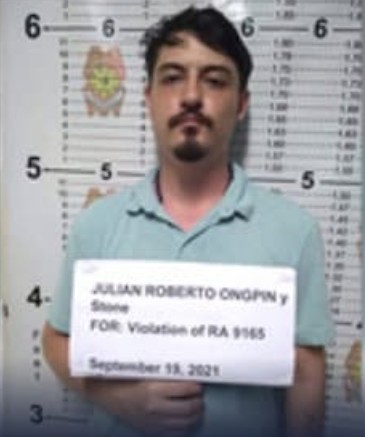
The family is careful to say that this is a concern arising from the extraordinary length of the delay, not a conclusion about anyone’s culpability.
That distinction is important.
There has been no criminal finding establishing that Ongpin caused Jonson’s death. In December 2021, the Philippine National Police said Ongpin was no longer considered a person of interest after investigators found no evidence of foul play. The NBI’s separate investigation, however, was a different matter, and the family says it has never received the final report it has repeatedly requested.
The family’s concern is therefore not that the NBI should reach a particular conclusion. It is that the NBI should demonstrate that the investigation received the same institutional urgency and diligence that would be expected in any other case involving an unexplained death.
“We are not asking for special treatment. We are asking for equal treatment—the same urgency, diligence, and commitment that should be afforded to every case, regardless of who is involved or how much political pressure surrounds it,” the family said.
That statement places the case within a much broader question about public confidence in law enforcement: whether access to justice and institutional attention are applied consistently regardless of wealth, political connections, social standing or geography.
The drug case that deepened the controversy
The circumstances surrounding Jonson’s death became further complicated by a separate drug case.
Police recovered approximately 12.6 grams of cocaine from the resort room, and both Jonson and Ongpin tested positive for cocaine use, according to authorities. Ongpin was subsequently charged with illegal possession of dangerous drugs.
The case was eventually dismissed by a La Union court in November 2021 after the court found serious lapses in the handling of the seized drug evidence and chain-of-custody requirements. The court found that required witnesses were not present during the marking and inventory of the evidence and that the prosecution had failed to adequately justify the deviations from the statutory procedure.
The dismissal did not establish anything about the circumstances of Jonson’s death. The drug case and the death investigation were legally separate matters. But the dismissal nevertheless became part of the wider public controversy because the drug evidence had been recovered during the investigation into the circumstances surrounding Jonson’s death.
It also reinforced questions about investigative procedure and evidence handling—questions that remain relevant to the Jonson family’s demand for a complete accounting of the NBI investigation.
What is known—and what remains unanswered
Five years after Jonson’s death, the public record establishes several important facts.
Jonson died on September 18, 2021 after being found unresponsive at a resort in San Juan, La Union. She had been staying with Ongpin, who told authorities that he found her hanging in the bathroom. The initial police autopsy identified asphyxia as the cause of death.
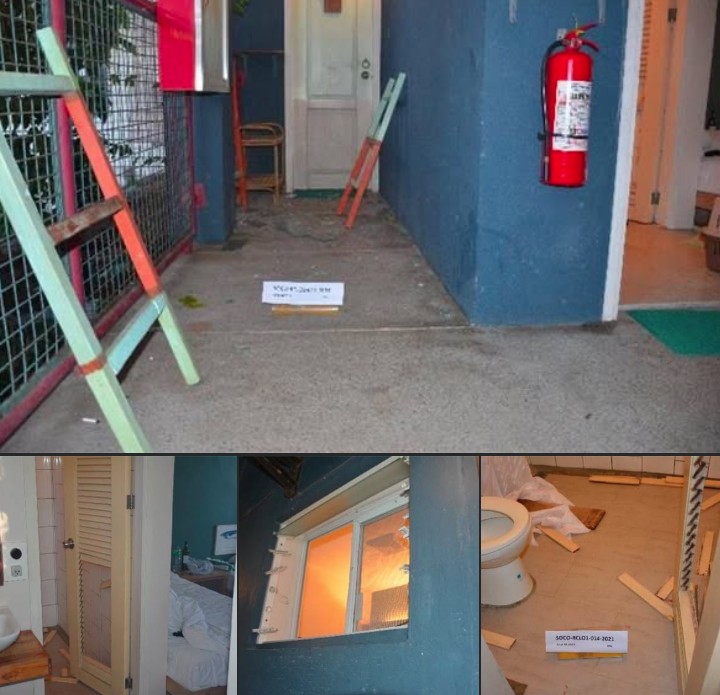
The NBI subsequently conducted an independent investigation, including forensic work and an autopsy.
The PNP later said it found no evidence of foul play and cleared Ongpin as a person of interest.
The separate drug possession case against Ongpin was dismissed because of problems involving the chain of custody of the seized evidence.
But these facts do not, by themselves, establish that Jonson died by suicide. Nor do they establish that she was murdered.
They establish that serious questions were raised, that competing accounts emerged, that the NBI was tasked to conduct an independent investigation, and that the family continues to say it has not received the final findings of that investigation.
That unresolved gap is precisely where the Jonson family’s present campaign begins.
The family is not asking the public to determine what happened to Bree. It is asking the government agency tasked with investigating the case to explain what it determined.
A Davao and Mindanao dimension
For Davao and Mindanao audiences, the case carries another layer.
Jonson was not simply a national figure whose death occurred in Northern Luzon. She was a young woman who spent formative years in Davao, studied at Ateneo de Davao University and developed a strong connection to the region before her artistic career took her elsewhere.
Her mother continues to return to the Philippines to pursue the case while working in Canada as an overseas Filipino worker.
That makes the case relevant beyond the circumstances of one death.
It raises a question familiar to many families outside Metro Manila: What happens when the pursuit of justice requires dealing with a national institution located far from home?
How many times must a family travel to Manila to obtain a meaningful case update?
How much time and money must grieving relatives spend simply to find out whether an investigation has been completed?
And who is responsible for ensuring that a case does not disappear into an institutional gap between offices, investigators and years?
These are not questions unique to the Jonson family. They go to the heart of how national investigative agencies communicate with families and how accountability is maintained when investigations become prolonged.
Five years later
As September 18, 2026 approaches, the Jonson family is asking the NBI for something that should be straightforward: a clear and substantive accounting of its investigation.
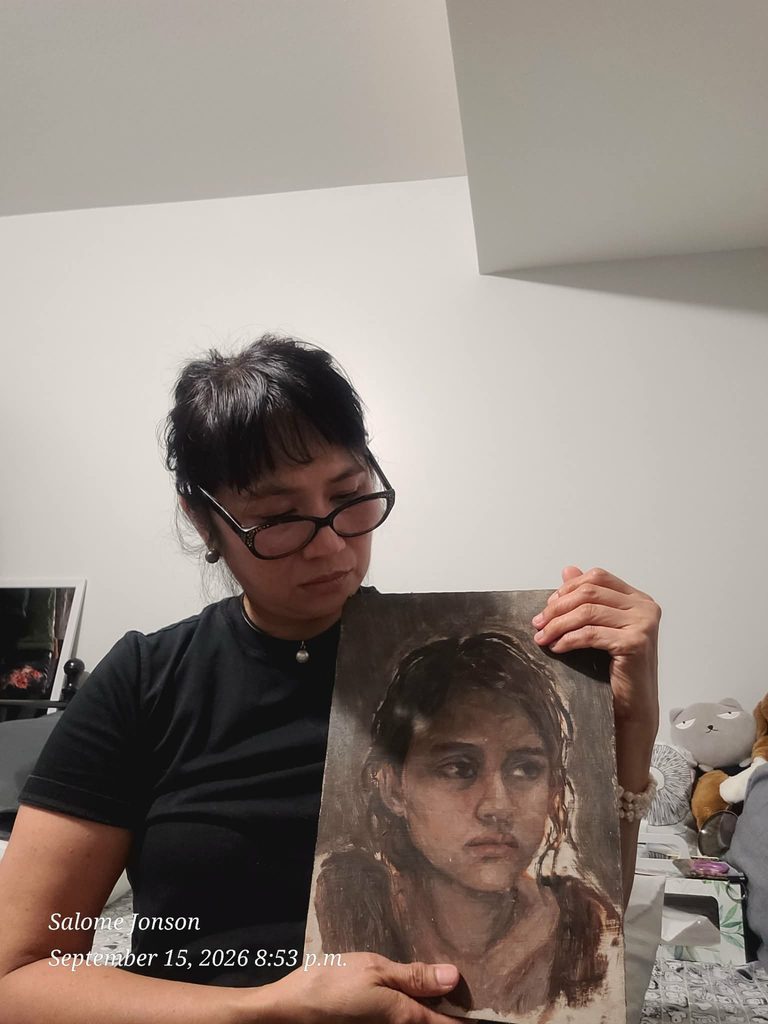
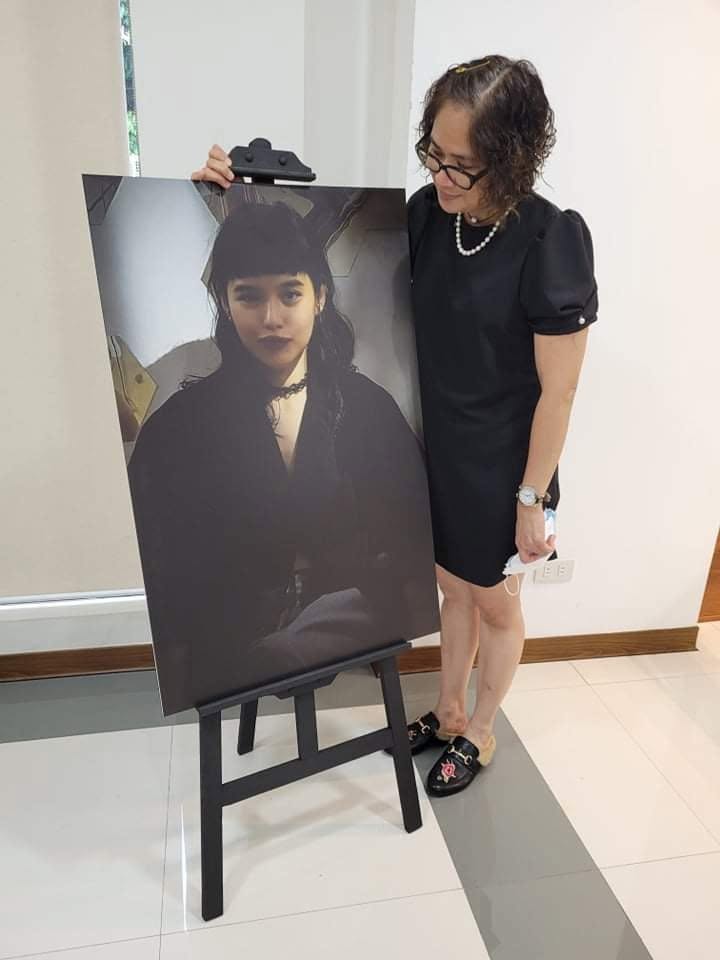
The family wants the bureau to state whether the investigation has been completed. If it has, it wants the final report and the conclusions reached by investigators. If it has not, the family wants to know what investigative work remains, why it remains unfinished after five years, what happened to the evidence placed under government custody, and whether additional forensic examination is still possible.
The family’s demand does not require the NBI to prejudge the case. It requires the bureau to account for its work. Five years is a significant period for any investigation. For a family waiting to understand what happened to a daughter, it is a lifetime measured in unanswered questions.
Bree Jonson’s death does not need another rumor, another theory or another round of speculation. It needs an accountable investigative record. If the evidence establishes what happened, the family deserves to know. If the evidence cannot establish what happened, the family deserves to know that as well. And if the investigation remains unfinished, the family deserves a clear explanation of why.
Five years after Bree Jonson’s death, the central question is therefore not whether the public should decide who is responsible. It is whether the institution entrusted to investigate the unanswered questions will finally tell her family what it found.