
TAGUM CITY, Davao del Norte — Nearly half a ton of garbage was hauled out of San Isidro Creek in Tagum City on Wednesday, September 2, underscoring the continuing challenge faced by communities in keeping waterways free from waste.
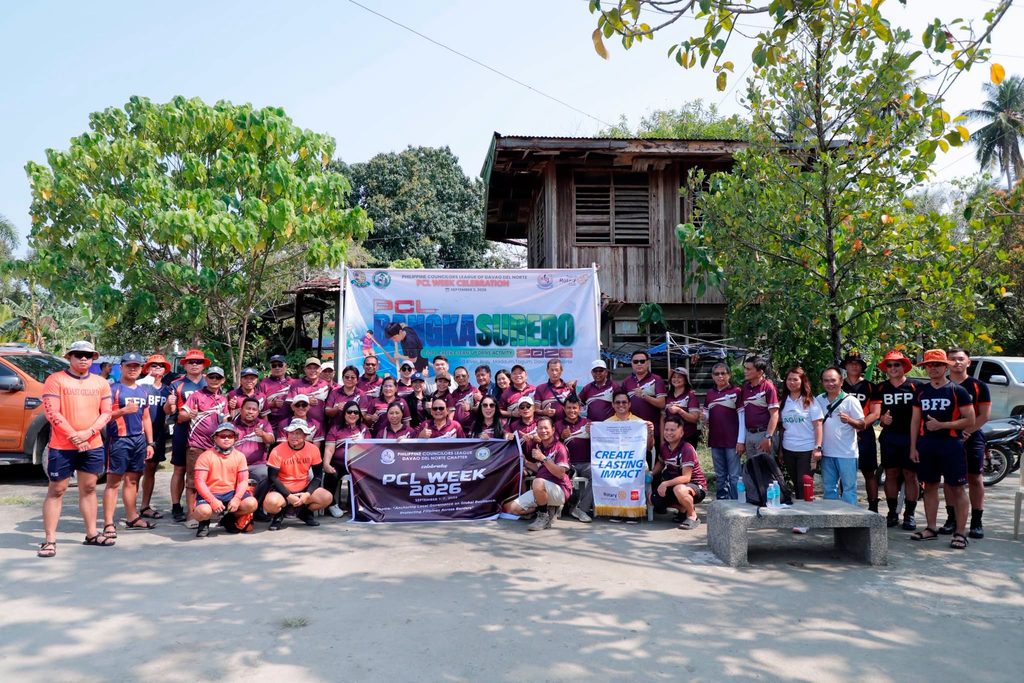
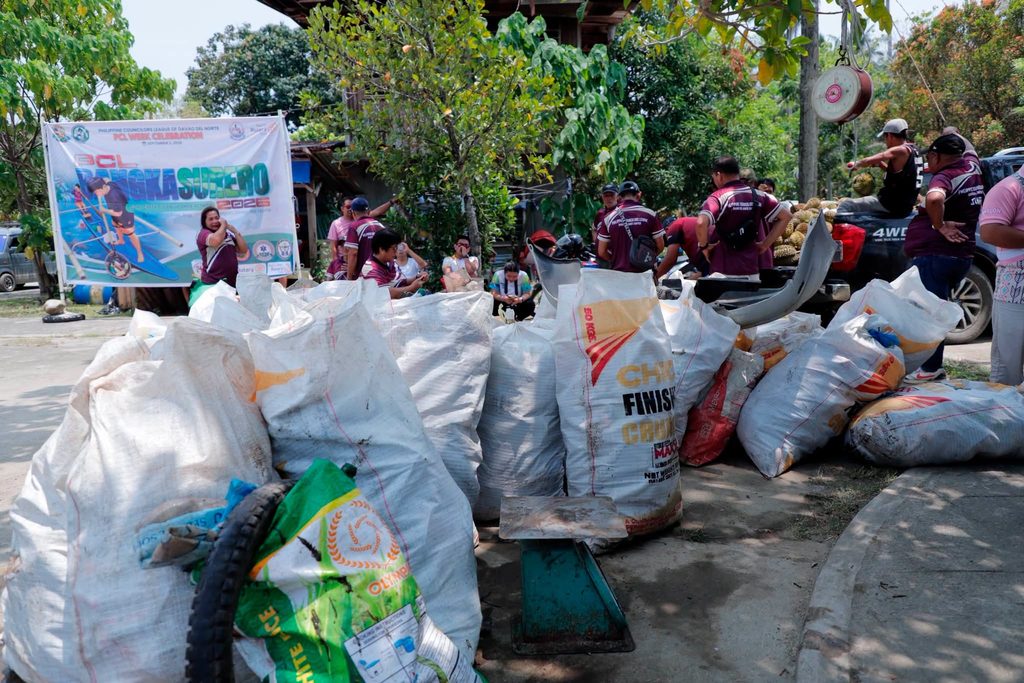
A total of approximately 496.2 kilograms of garbage, packed into 31 sacks, was collected during the BangkaSurero–Tidal Creek Cleanup Drive held at San Isidro Creek near Nabintad Park in Purok Tugan, Barangay Madaum.
The cleanup brought together government offices, civic organizations, private-sector representatives, barangay officials and members of the local boating community in an effort to remove floating and accumulated waste from waterways connected to the city’s broader aquatic environment.
The activity was organized as part of the Philippine Councilors League Week Celebration, led by the Philippine Councilors League of Davao del Norte in partnership with the City Government of Tagum.
The initiative focused on a problem that often becomes more visible in waterways: garbage that is swept into creeks and rivers, accumulates along their banks or floats downstream before eventually reaching larger bodies of water.
The collection of 31 sacks during a single cleanup activity highlights the amount of solid waste that can accumulate in waterways despite their relatively narrow and localized nature.
Participating in the operation were representatives from the Rotary Club of Tagum, Rotary Club of Tagum Golden Laces, Rotary Club of Tagum North, Hijo Resources Corporation, Barangay Madaum, Barangay San Isidro, local bangka operators, and the City Environment and Natural Resources Office (CENRO).
Their participation reflected a multi-sector approach to environmental protection, particularly in addressing waste in areas where waterways serve as important parts of the local community and ecosystem.
For the participants, however, the cleanup was more than simply collecting sacks of garbage. It also served as a reminder that maintaining waterways cannot depend solely on periodic cleanup activities.
Garbage that reaches creeks can be transported by water currents, particularly during periods of heavy rain, potentially moving downstream and eventually contributing to pollution in larger waterways and coastal areas.
The presence of waste in waterways can also create physical obstructions and contribute to the degradation of aquatic habitats. Addressing the problem therefore requires both the removal of existing waste and sustained efforts to prevent garbage from entering waterways in the first place.
Safety during the operation was also given priority. The Philippine Coast Guard, Bureau of Fire Protection and Tagum City Disaster Risk Reduction and Management Office (CDRRMO) provided safety support for participants throughout the cleanup activity.
Their involvement was particularly important as the operation required personnel to work along and on the water while collecting waste from the creek.
The BangkaSurero initiative is expected to strengthen public participation in the protection of Tagum City’s waterways and marine environment by bringing environmental action closer to communities that regularly interact with local water systems.
The 496.2 kilograms of waste recovered from San Isidro Creek represents garbage that will no longer remain in the waterway. But it also provides a tangible measure of the work that remains.
As waterways continue to receive waste from surrounding communities and activities, regular monitoring, responsible waste disposal, community participation and sustained enforcement remain essential to keeping creeks and other aquatic areas clean.
The cleanup in San Isidro Creek therefore carries a message beyond the 31 sacks collected: protecting waterways begins long before garbage reaches the water.
For Tagum City, the challenge is not only to remove what has already accumulated, but to ensure that future cleanups have less and less waste to collect.