
KIDAPAWAN CITY, North Cotabato — Twenty-six metric tons of locally grown tropical fruits will be laid out along a 2.2-kilometer stretch of the national highway in Kidapawan City on Tuesday, August 18, as the city celebrates one of the most anticipated highlights of the annual Timpupo Festival.

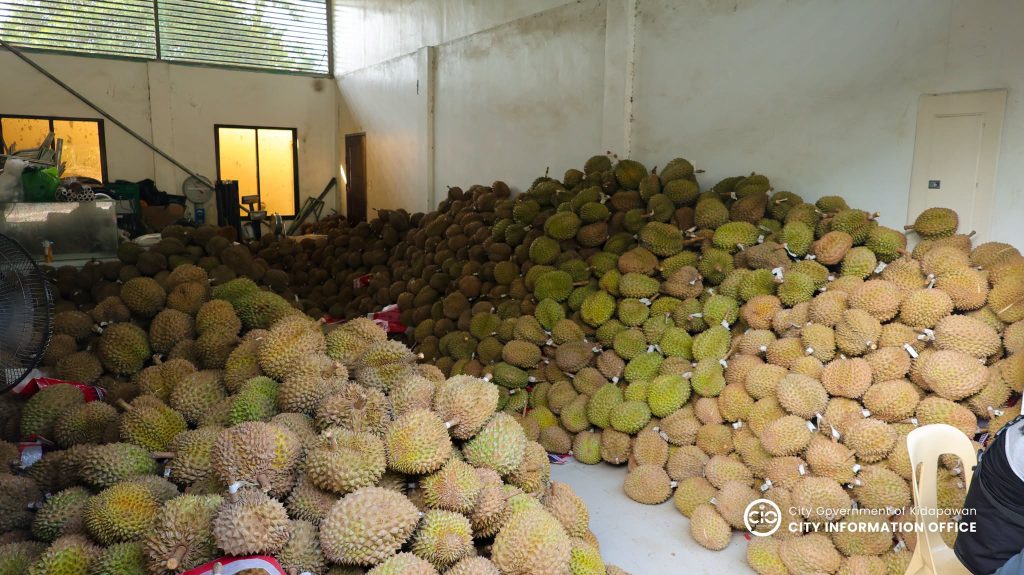
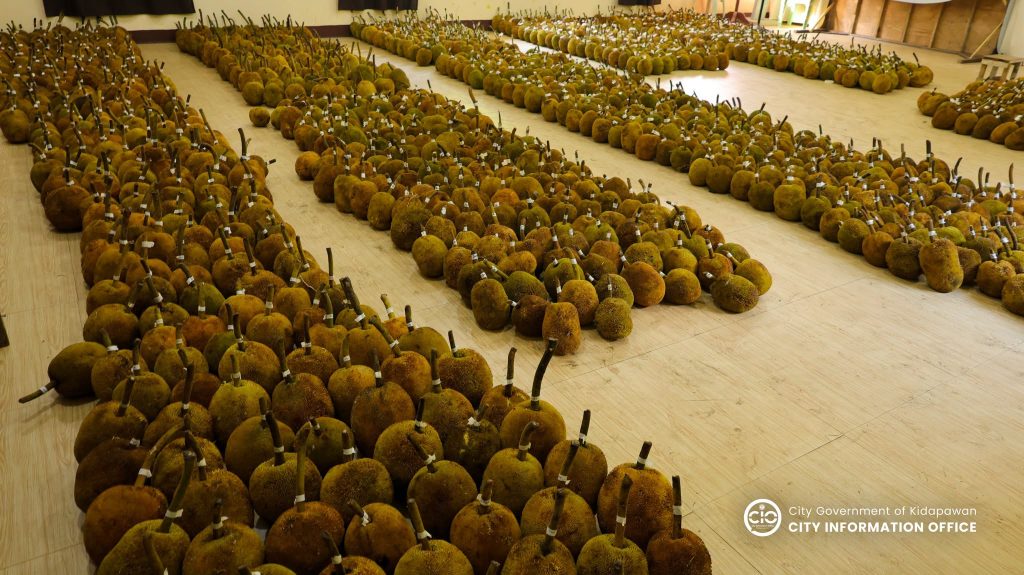
The much-awaited “Fruits Eat All You Can sa Dalan” will begin at 4 p.m. along Quezon Boulevard, transforming a portion of the Cotabato-Davao highway into a massive open-air fruit feast where residents and visitors can enjoy fresh produce from local farmers for free.
The event forms part of the culmination of the two-day Timpupo Festival, which coincides with Kidapawan City’s founding anniversary.
City Agriculturist Marisa Aton said the city government has prepared around 26 metric tons of various tropical fruits, including marang, rambutan, banana, lanzones, mangosteen, santol, durian and dragon fruit.
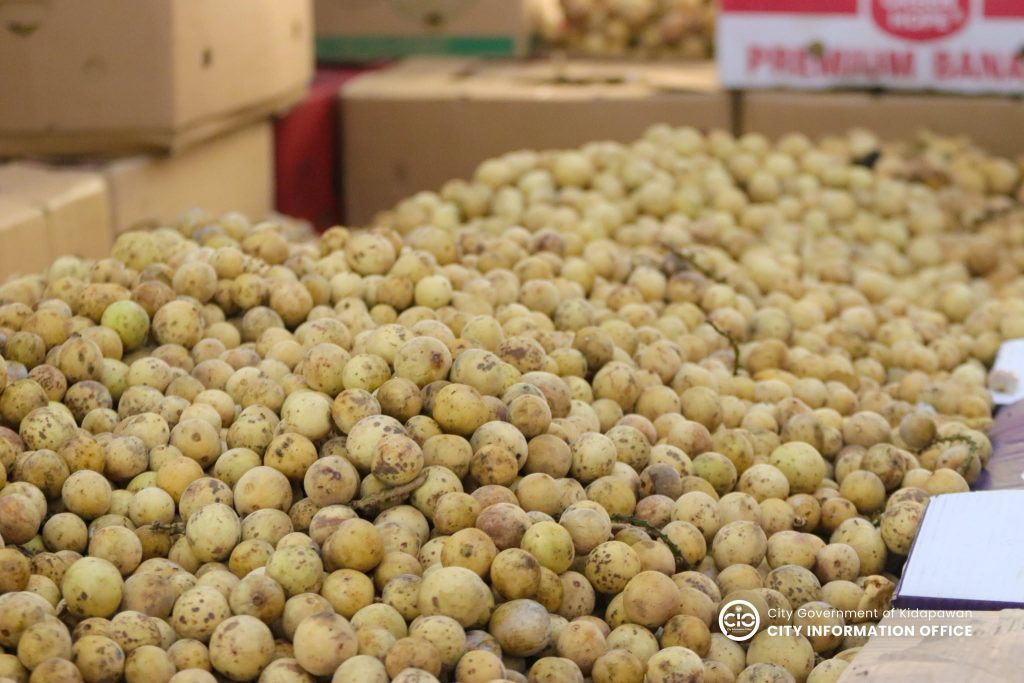
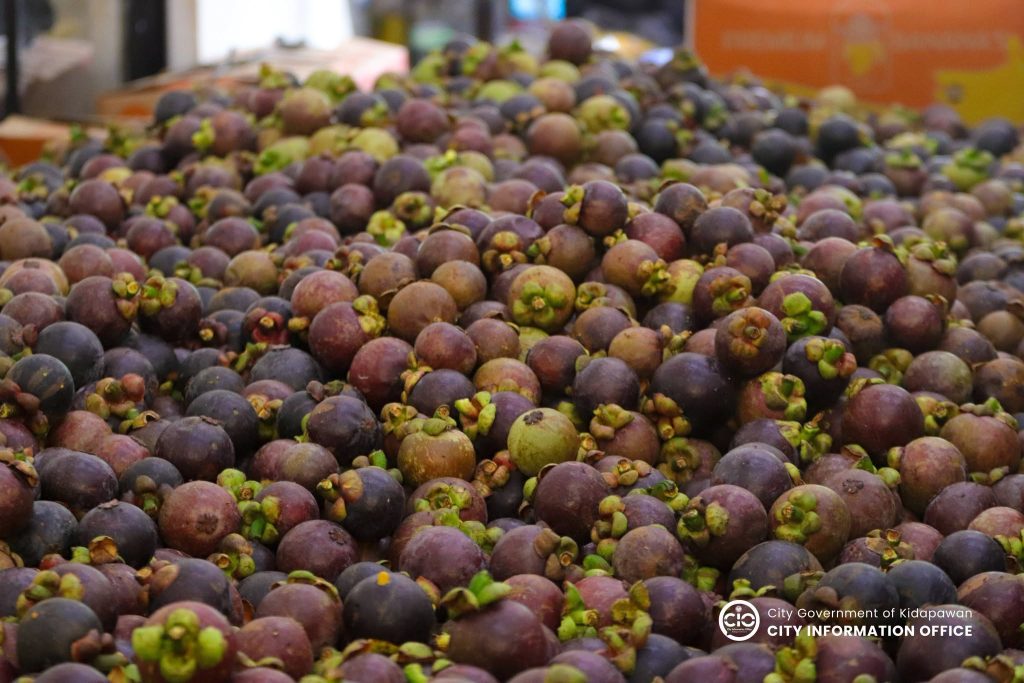
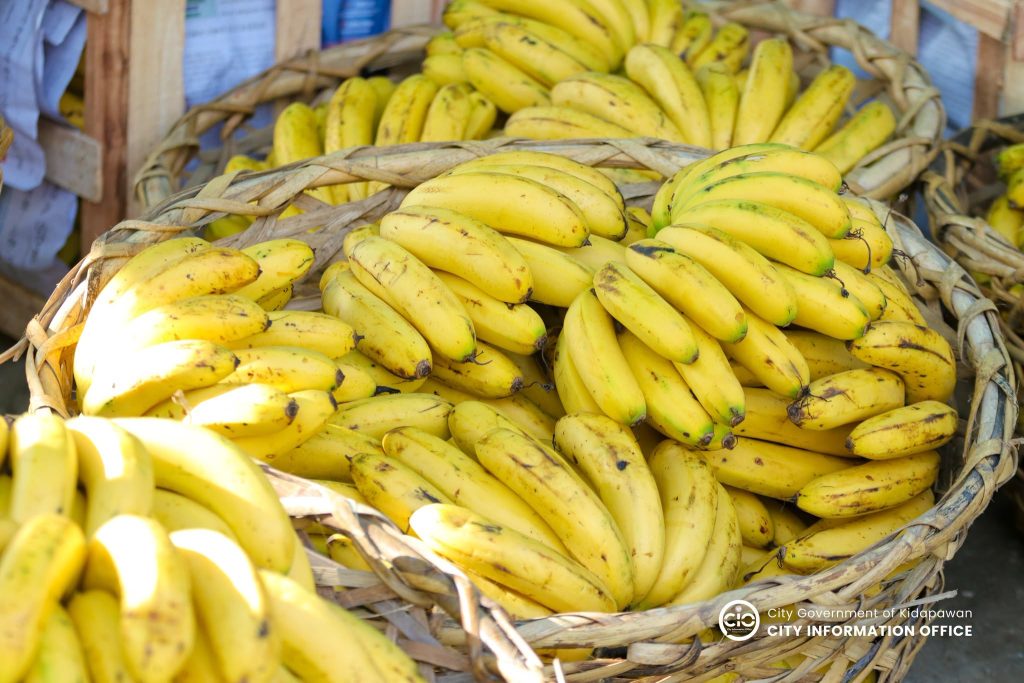
The fruits are sourced from local growers, highlighting Kidapawan’s agricultural production while giving farmers an opportunity to showcase the abundance of the city’s countryside.
The city government reportedly allocated ₱3.5 million for the purchase of fruits for this year’s celebration.
Aton said a roughly 2.2-kilometer bamboo table will be assembled along the highway beginning at around 2 p.m. on Tuesday. City government employees will help set up the tables and arrange the fruits ahead of the 4 p.m. event.
The highway section hosting the activity will be closed to traffic, with road rerouting scheduled to begin at 1 p.m. to help ensure the safety of participants.
Authorities and organizers are also reminding those attending to observe the event’s rules. Aton said merrymakers will not be allowed to bring bags, cellophane, sacks or bottled water into the fruit-eating area.
“Bringing home is not allowed. Just eat and leave,” Aton said.
The arrangement is intended to keep the massive public gathering manageable while ensuring that the fruits are consumed during the event.
Celebrating the harvest
The word “Timpupo” refers to harvest time or the act of harvesting in the local Manobo and Mindanao Bisaya dialects. The festival has become an annual celebration of Kidapawan’s agricultural identity, cultural heritage and community spirit.
Beyond the free fruit feast, the festival features cultural presentations, competitions, entertainment activities and other events that provide platforms for local talents, businesses and organizations.
But the Fruits Eat All You Can remains among the festival’s biggest crowd-drawing activities, with the sight of a seemingly endless line of fruits spread across the highway becoming a defining image of the celebration.
The event also provides a direct connection between consumers and the agricultural communities that produce the city’s fruits.
Through the festival, the city government seeks to promote local produce while supporting farmers and strengthening Kidapawan’s position as an agricultural and tourism destination.
Visitors expected from neighboring provinces
The city government expects the celebration to draw visitors not only from Kidapawan but also from neighboring municipalities and provinces.
Among those expected to join are visitors from Makilala, Magpet and Matalam in North Cotabato, as well as parts of South Cotabato and Davao del Sur, based on attendance patterns during previous celebrations.
Tuesday has also been declared a special non-working holiday in Kidapawan City in observance of the Timpupo Festival, allowing residents greater opportunity to participate in the festivities.
For many Kidapaweños, however, the celebration represents more than a day of free food and entertainment.
The annual gathering brings together farmers, government workers, businesses, cultural groups, families and visitors in a shared celebration of the city’s harvest.
As tables filled with locally produced fruits stretch across Quezon Boulevard, the Timpupo Festival once again places Kidapawan’s agricultural abundance at the center of its anniversary celebration—turning the city’s main thoroughfare into a communal table where the fruits of local labor are shared with everyone.