
LANAO DEL SUR — Along the vast waters of Lake Lanao, scientists, environmental workers, and local officials are racing against time to protect one of the Philippines’ most ecologically significant freshwater ecosystems from further decline.
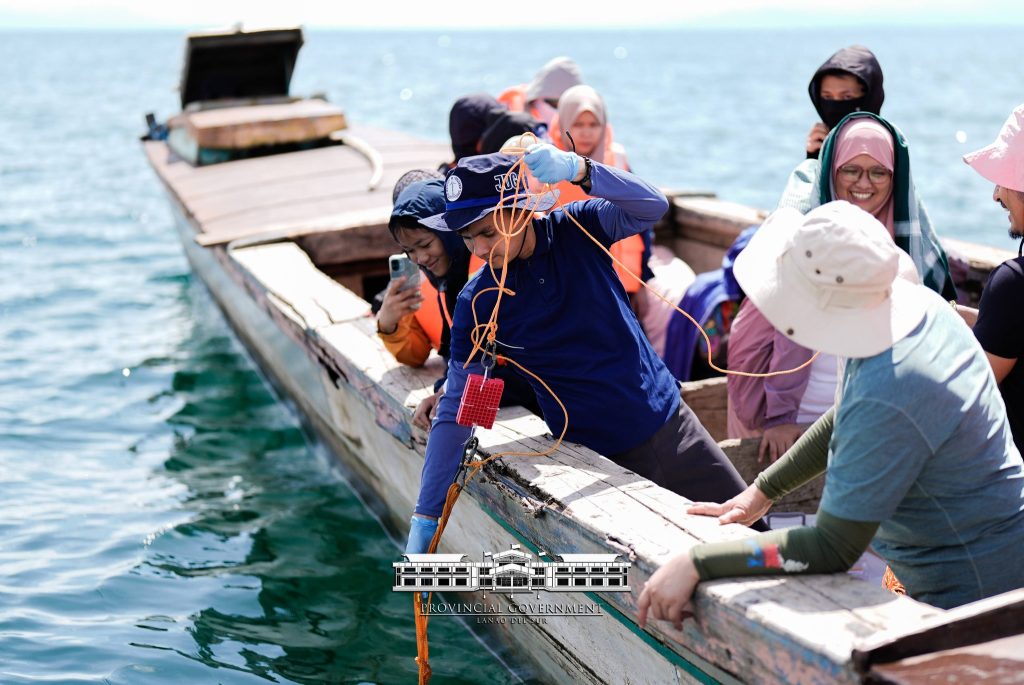
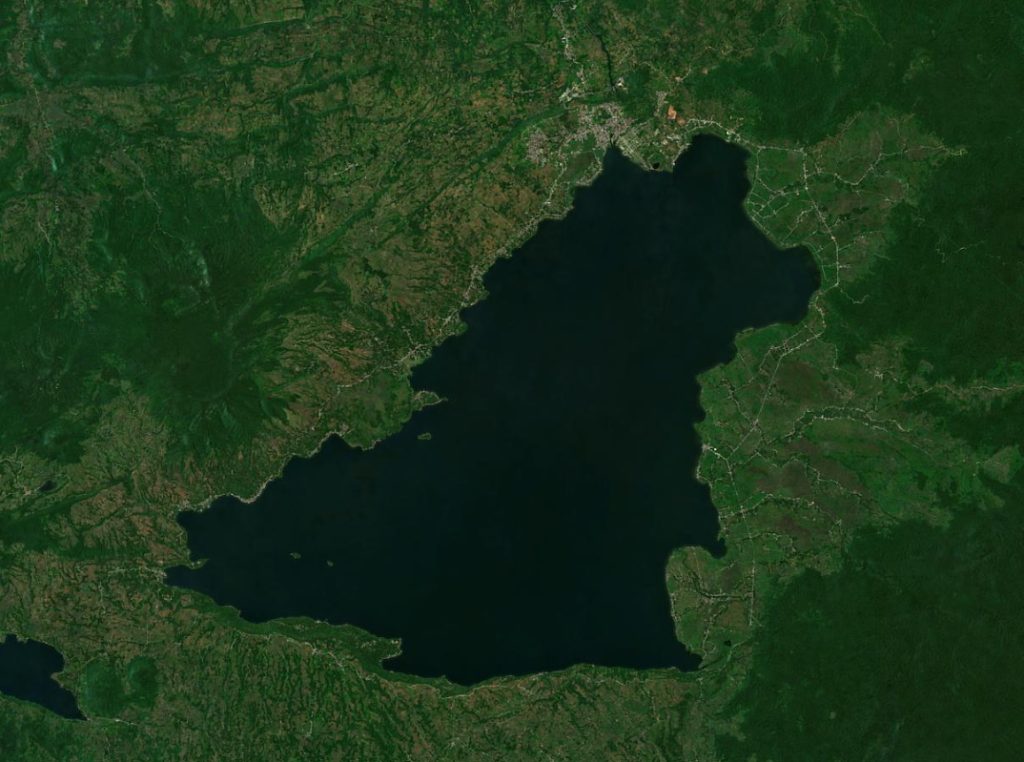
On May 12, teams from the Provincial Government of Lanao del Sur, the University of the Philippines Diliman, and Mindanao State University launched an extensive field research operation aimed at conserving the lake’s critically endangered endemic cyprinid species—native fish found nowhere else in the world.
The initiative forms part of a Department of Science and Technology (DOST)-funded Grants-in-Aid conservation program titled “S&T Intervention Towards the Conservation and Management of the Endemic Cyprinids of Lake Lanao.” The two-year program seeks to restore biodiversity in the lake through science-based and sustainable environmental management strategies.
At the center of the research is a groundbreaking scientific method known as Environmental DNA or eDNA metabarcoding technology, spearheaded by Dr. Ambrocio Melvin Matias of the University of the Philippines Diliman – Institute of Biology.
A Scientific Breakthrough Beneath the Waters
For decades, the disappearance of many of Lake Lanao’s native fish species has alarmed scientists and local communities alike. Of the lake’s 18 endemic cyprinid species, several are now believed to be critically endangered, while others have reportedly become increasingly difficult to locate in the wild.
Traditional methods of fish monitoring often require capturing rare species, a process that can place additional stress on already threatened populations. The eDNA approach offers a less invasive alternative.
Instead of physically catching fish, researchers collect water samples containing microscopic genetic traces shed by organisms through skin cells, waste, mucus, or other biological material. These traces are then processed in laboratories to determine which species are present in the ecosystem.
“This technology represents a major leap in biodiversity monitoring,” environmental officials said, noting that eDNA allows researchers to detect species without disturbing their natural habitats.
Using specialized sampling equipment submerged in tributaries and lake waters, researchers gathered genetic samples and environmental data from selected areas in Marawi City and the municipalities of Marantao, Ditsaan-Ramain, Taraka, and Poona Bayabao during the first phase of fieldwork.
More Than Fish: Understanding the Lake’s Health
Beyond tracking endangered species, the research also seeks to understand the overall condition of Lake Lanao’s ecosystem.
Scientists conducted water quality assessments measuring nitrite, nitrate, phosphorus, and other environmental indicators that influence aquatic life. Researchers likewise studied phytoplankton and zooplankton populations—tiny organisms that play a vital role in the food chain and overall health of freshwater ecosystems.
Experts believe that changes in water quality and biological composition may be contributing to the decline of endemic fish populations.
The Provincial Environment and Natural Resources Office (PENRO), headed by Forester Pili M. Papandayan, played a critical role in supporting the field operations by assisting in water sampling, environmental monitoring, and logistical coordination.
According to PENRO, the collaboration not only strengthens ongoing conservation programs but also equips local environmental personnel with advanced scientific skills needed for long-term ecosystem protection.
Building Local Capacity for Conservation
One of the program’s key achievements is its emphasis on capacity-building among local government technical personnel.
Researchers from the University of the Philippines Diliman conducted hands-on training sessions for PENRO technical officers and interns on modern water quality monitoring and sampling techniques. Officials said the training ensures that local environmental managers can continue scientific monitoring efforts even after the research program concludes.
The initiative reflects a growing recognition that protecting Lake Lanao requires both scientific innovation and strong local participation.
For the Meranaw communities surrounding the lake, the conservation effort carries deep cultural and economic significance. Lake Lanao is not only a vital freshwater resource but also a central part of Meranaw identity, livelihood, and heritage.
Collaborative Effort for Environmental Governance
The research team commended the support of the Provincial Government of Lanao del Sur under Governor Mamintal “Bombit” Alonto Adiong Jr. and Vice Governor Mohammad Khalid “Mujam” Raki-in Adiong for helping foster collaboration between government agencies and academic institutions.
Officials said the partnership demonstrates how science, governance, and community engagement can work together to address environmental challenges facing one of Mindanao’s most important natural resources.
As researchers continue to analyze samples collected from the lake and its tributaries, hopes remain high that the project could help uncover surviving endemic fish populations and guide future conservation strategies.
For many residents and environmental advocates, the effort represents more than a scientific mission—it is a fight to preserve the ecological heart of Lake Lanao for future generations.