
SITANGKAI, Tawi-Tawi — The Ministry of Agriculture, Fisheries and Agrarian Reform (Ministry of Agriculture, Fisheries and Agrarian Reform (MAFAR)), in partnership with the Mindanao State University–Tawi-Tawi College of Technology and Oceanography, has launched a major coral reef rehabilitation project in Panggungan Island, aiming to restore marine ecosystems damaged by a vessel grounding incident in December 2023.
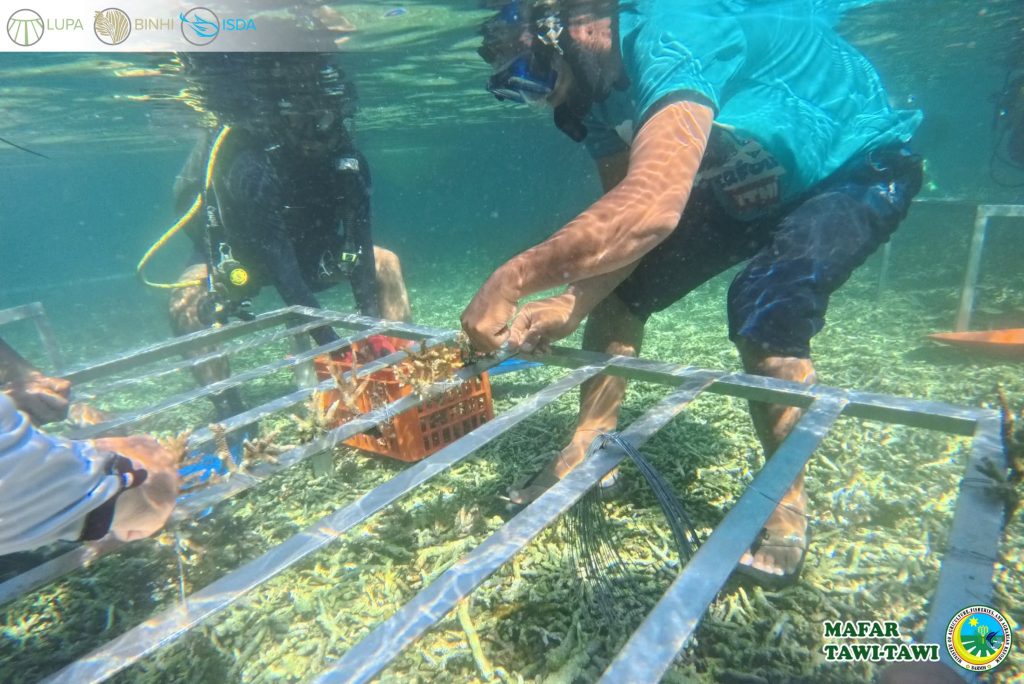
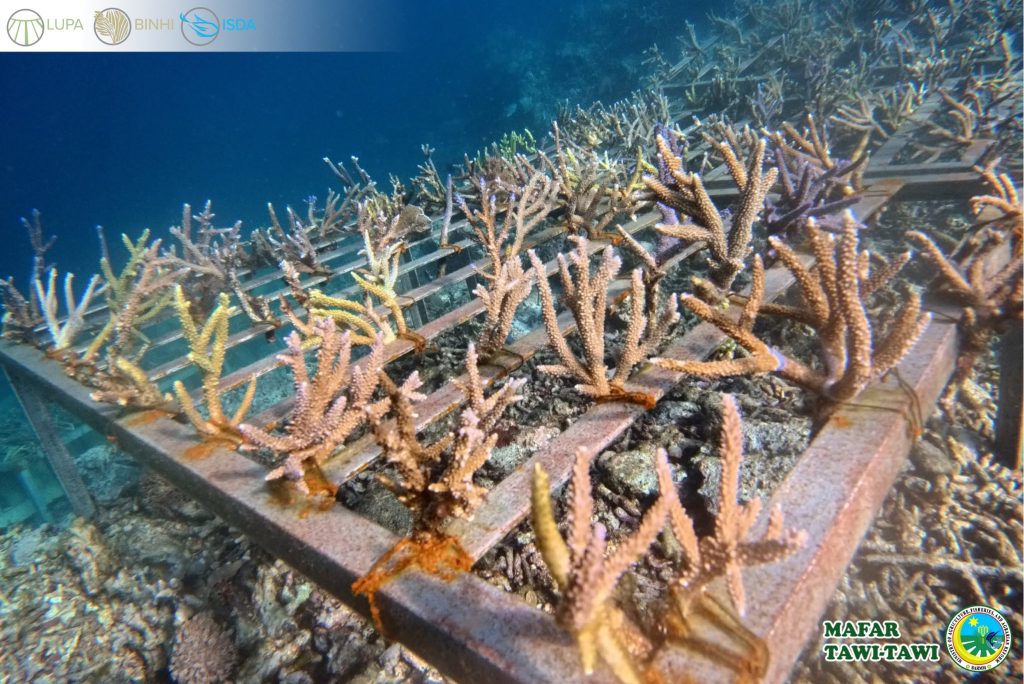
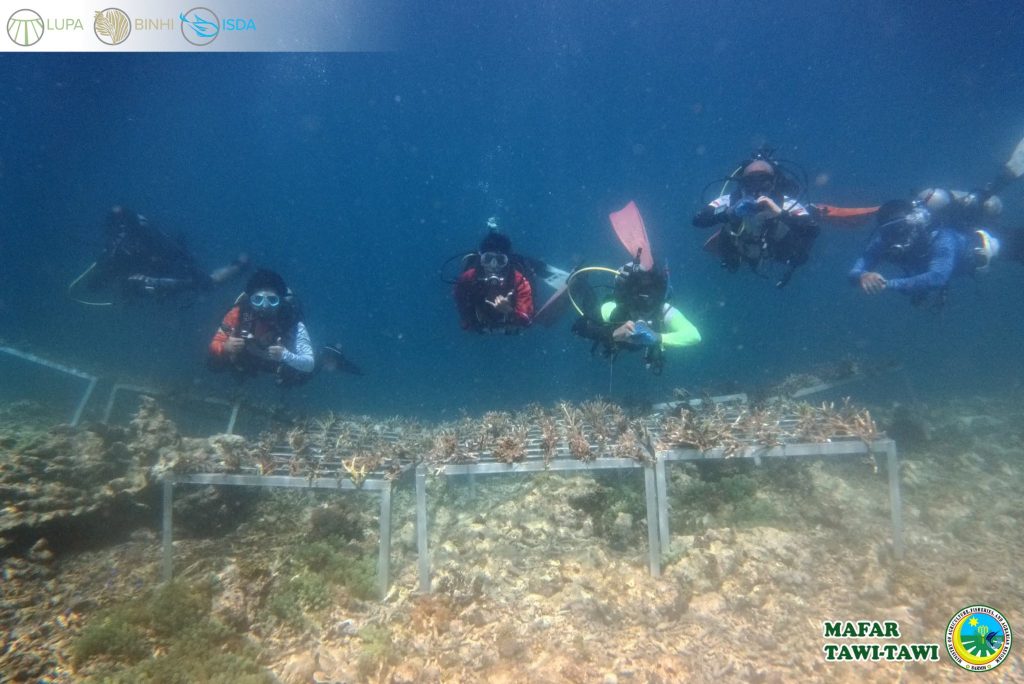
The rehabilitation activities were carried out from January 26 to 28 and February 8 to 9, 2026, covering approximately 400 to 500 square meters of degraded coral habitat. The damage was traced to a Malaysian vessel that ran aground on December 22, 2023, causing extensive harm to the fragile reef system that supports local fisheries and biodiversity.
Underwater installation of restoration structures was led by MAFAR-Tawi-Tawi personnel, with technical support from trained divers of MSU-TCTO. The team carefully deployed Coral Nursery Units (CNUs) and Artificial Reef structures to stabilize the seabed and promote coral regeneration.
The project was implemented through MAFAR’s Fisheries Resource Management (FRM) section under the leadership of Senior Aquaculturist Irum Muallil, with support from Chief Aquaculturist Muin Noor. Coordination on the academic and technical side was handled by Dr. Richard Muallil, Vice Chancellor of MSU-TCTO, who supervised the diving team and ensured proper installation of the reef structures.
In total, 774 Artificial Reef units and 47 Coral Nursery Units were installed during the rehabilitation period. The artificial reefs serve as stable platforms for coral attachment and provide shelter for fish and other marine organisms, while the coral nursery units are designed to propagate young corals for future transplantation, accelerating natural reef recovery.
Before the deployment, MAFAR closely coordinated with the Local Government Unit of Sitangkai, led by Allan Ahaja, to secure community support and ensure alignment with local development plans. The MAFAR Municipal Office (MMO) of Sitangkai, headed by Marlyn Melecio, also played a key role in field coordination, logistics, and community engagement.
MAFAR-Tawi-Tawi Provincial Director Aidar us Nami said the initiative forms part of the regional government’s broader commitment to protecting marine resources while strengthening the livelihoods of coastal residents.
“This initiative will not only restore coral reefs but also help sustain the fishing activities that local communities depend on,” Nami said. “Healthy reefs are essential to food security, income generation, and environmental stability in our island municipalities.”
Officials emphasized that coral reefs in Sitangkai are vital breeding grounds and feeding areas for commercially important fish species, making their rehabilitation crucial for long-term economic and ecological resilience.
To ensure the effectiveness of the project, monitoring and assessment activities are scheduled within three months. These evaluations will measure coral survival rates, reef development, fish population recovery, and overall ecological impact.
Authorities expressed optimism that the restored reef system will lead to improved marine biodiversity, stronger coastal protection, and increased fish stocks, providing lasting benefits to the communities of Sitangkai.
The coral rehabilitation effort underscores the importance of cooperation between government agencies, academic institutions, and local stakeholders in addressing environmental damage and safeguarding the marine resources of Tawi-Tawi for future generations.