
DAVAO CITY — From the trash-choked shores of Matina Aplaya to the fragile headwaters of the Tamugan River, the growing scale of Davao City’s waste crisis is becoming harder to ignore. What was once dismissed as an eyesore along coastlines has now crept upstream—into the very source of the city’s drinking water.
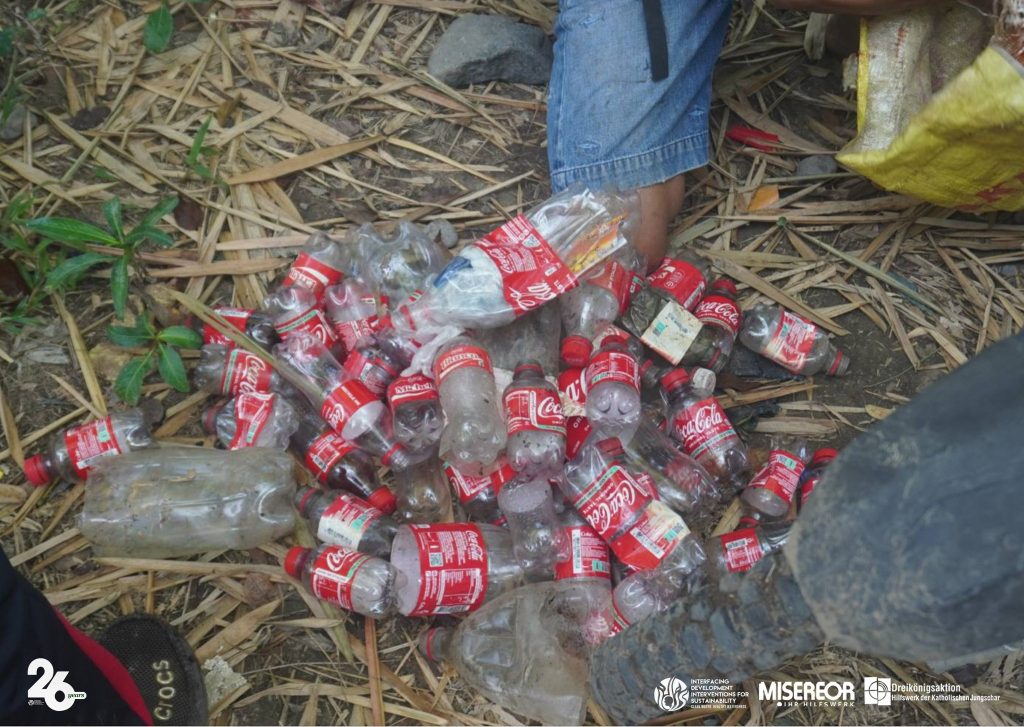
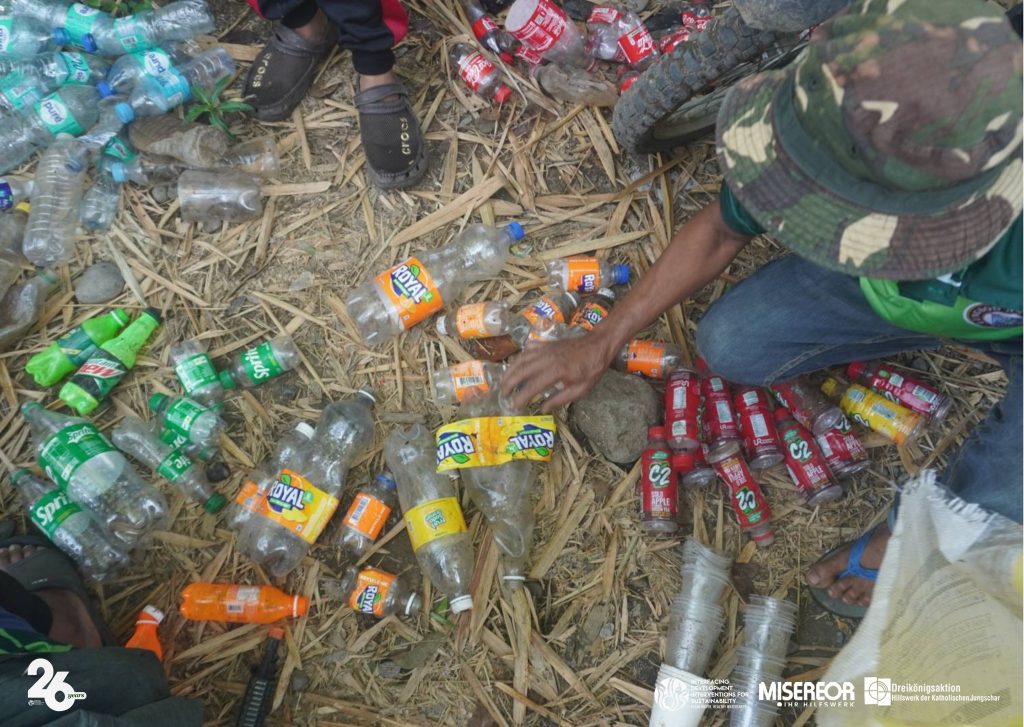
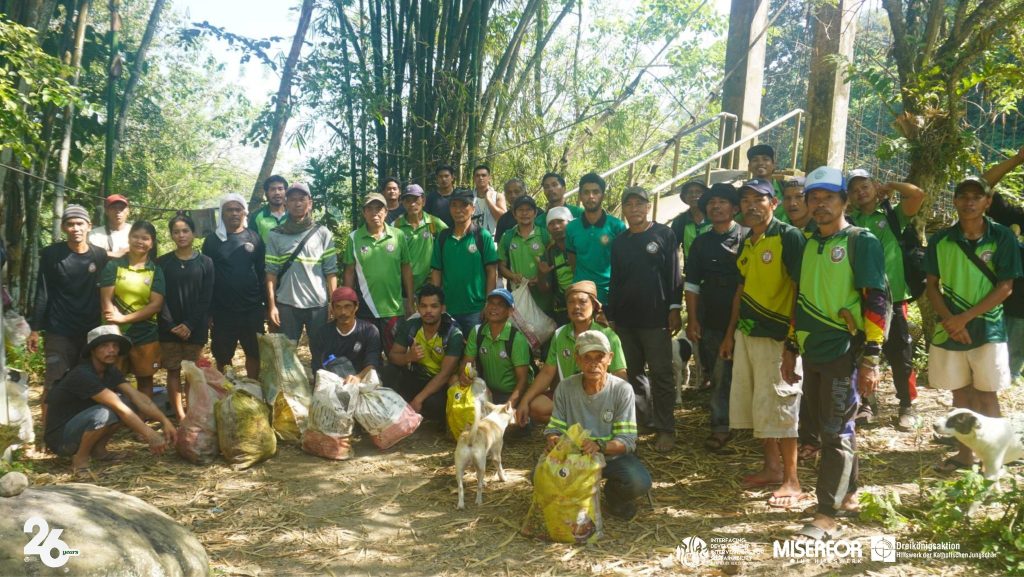
Marking the culmination of Zero Waste Month in January, environmental group Interfacing Development Interventions for Sustainability (IDIS), together with Bantay Bukid volunteers, conducted a Waste and Brand Audit cleanup in Sitio Bakong, a critical area within the Tamugan River, Davao City’s primary water supply. What they uncovered upstream mirrored—and in some ways worsened—the pollution already documented along the coast.
The cleanup yielded seven sacks containing 797 pieces of mixed waste, overwhelmingly composed of plastic PET bottles, junk food wrappers, and glass liquor bottles. More alarming was the recovery of 11 discarded diapers, classified as highly biotoxic and infectious waste, posing serious threats to water quality, aquatic life, and public health.
Coca-Cola Tops the List
Results of the brand audit revealed that Coca-Cola PET bottles were the most collected waste, with 75 pieces, topping the list of branded pollutants. They were followed by Silver Swan (NutriAsia) with 62 bottles, Nature Spring with 60 bottles, and Tanduay Rhum with 34 bottles.
Environmental advocates noted that Coca-Cola and Nature Spring also ranked among the top plastic waste contributors during the Matina Aplaya Coastal Road cleanup conducted the previous day, underscoring the pervasive reach of plastic pollution across both coastal and freshwater ecosystems.
“This shows that plastic waste is not confined to where people see it most,” IDIS said. “It travels—from communities, to rivers, to the sea—and now it is being found at the source of our drinking water.”
Microplastics, Macro Threats
Numerous studies have warned that plastics degrade into microplastics, which can absorb toxic chemicals, enter the food chain, and contaminate water sources. In watershed areas like Tamugan, this pollution poses long-term risks not only to biodiversity but also to the health of millions of Dabawenyos who rely on the river for clean water.
Environmentalists stressed that once plastics and microplastics enter freshwater systems, they are far more difficult—and costly—to remove.
Call for Stronger Enforcement
In response to the findings, IDIS renewed its call for stricter and more consistent enforcement of Davao City’s ordinance banning single-use plastics, stressing that existing laws are only effective if properly implemented.
The group also urged the city government to tighten regulation of recreational and human activities within watershed areas, particularly in the Tamugan–Panigan Watershed, which remains vulnerable to pollution due to its accessibility.
“The Tamugan River is not just another river—it is Davao City’s lifeline,” IDIS emphasized. “Protecting it means holding polluters accountable, enforcing our environmental laws, and demanding greater responsibility from companies whose products dominate our waste stream.”
As plastic pollution continues to surface from the coastlines to the headwaters, environmental advocates warn that without decisive action, the cost will be paid not just by ecosystems—but by future generations who depend on clean and safe water.