
JOLO, Sulu — After decades of being associated with security concerns and conflict, Basilan and Sulu are increasingly being considered for a different identity: emerging tourism destinations where cultural heritage, natural attractions, and improving peace and security could help drive economic development.
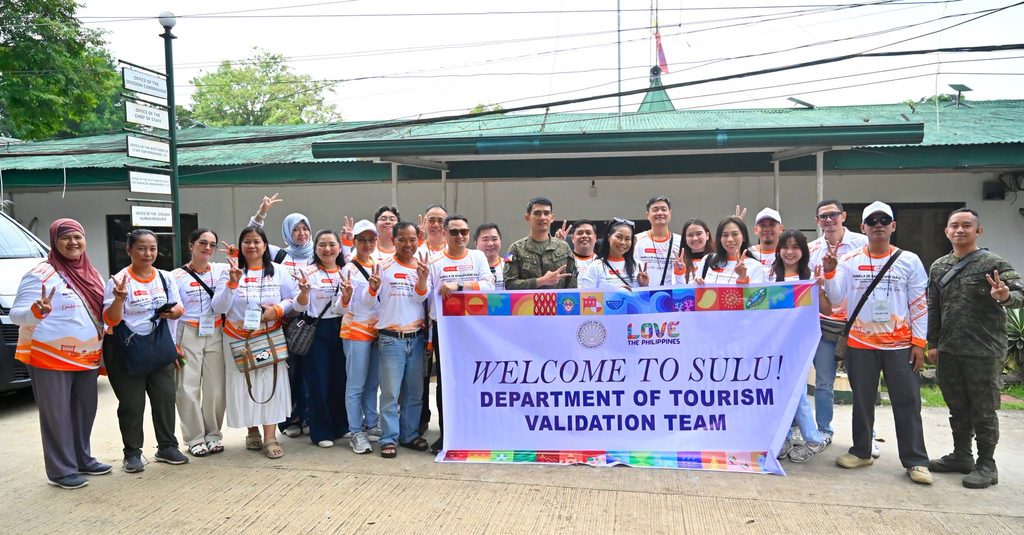
The Department of Tourism (DOT) is stepping up efforts to reposition the two island provinces as viable destinations in Mindanao, recognizing the progress made in their peace and security conditions and the opportunities this creates for local communities.
The renewed push gained momentum during the first visit of Tourism Assistant Secretary Ferdinand Jose Bagcal to the headquarters of the Army’s 11th Infantry (Alakdan) Division, accompanied by DOT Region IX Regional Director Dara Mae Cataluña. The visit formed part of a validation tour for the proposed “Isabela de Basilan and Sulu Cultural Confidence-Building Experience,” an initiative designed to reintroduce the provinces to the tourism market under the ZamPen Southern Corridor Tourism Sites.
Beyond its official purpose, the visit offered an opportunity to assess how far the two provinces have moved from the security conditions that shaped their public image for generations.
Bagcal acknowledged that his personal experience in Basilan and Sulu challenged the perceptions he had carried about the area before arriving.
He recalled that growing up, he had always understood the provinces to be risky places that people should avoid. Even traveling with his family brought apprehensions because of the longstanding reputation associated with the islands.
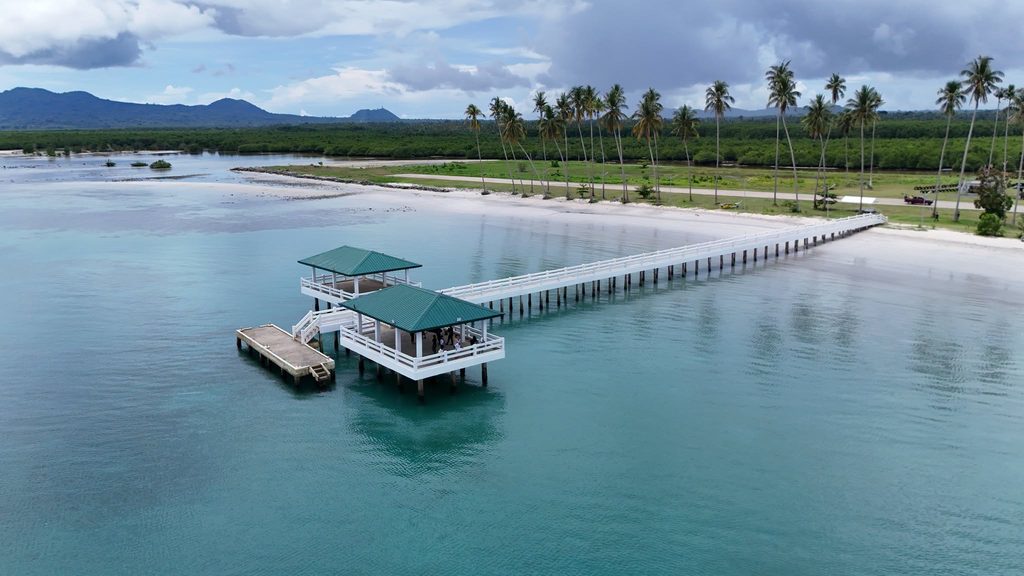
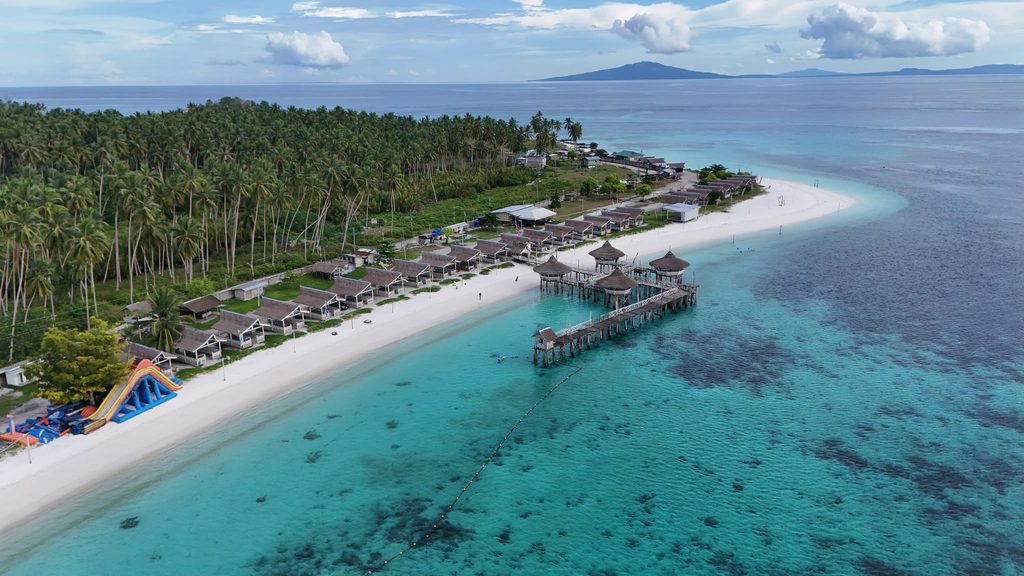
However, what he encountered during the visit was a different environment.
“Growing up, we’ve always known these areas to be risky, not the place to be. Of course, when we came here, my family and I were worried because of the area’s reputation for generations. But there is nothing to worry about anymore,” Bagcal said.
His remarks underscored a significant challenge facing the tourism sector in Basilan and Sulu: overcoming not only actual security concerns but also the deeply established public perceptions that continue to influence how people view and approach the two provinces.
For destinations emerging from prolonged periods of conflict and instability, improving security is only one part of tourism development. Building confidence among potential visitors, encouraging investment, strengthening local tourism enterprises, and establishing reliable visitor experiences are equally important.
Bagcal expressed appreciation for the peaceful atmosphere and warm hospitality extended by local officials and residents, recognizing the improvements in the security environment.
He also acknowledged the contributions of military personnel who have served in Basilan and Sulu for more than a decade and have witnessed firsthand the transformation of the peace and security situation.
Their long-term presence and experience highlight the role of sustained security efforts in creating conditions that allow communities to pursue economic opportunities beyond the traditional limitations imposed by conflict.
For the 11th Infantry Division, the DOT’s recognition reinforces the importance of maintaining the gains achieved in peace and security. The military emphasized its commitment to ensuring that communities in the two provinces can live and work in a peaceful environment, while supporting conditions that allow tourism to contribute to sustainable development.
Tourism as an opportunity for local communities
The proposed Cultural Confidence-Building Experience represents an effort to connect tourism promotion with the broader development agenda of Basilan and Sulu.
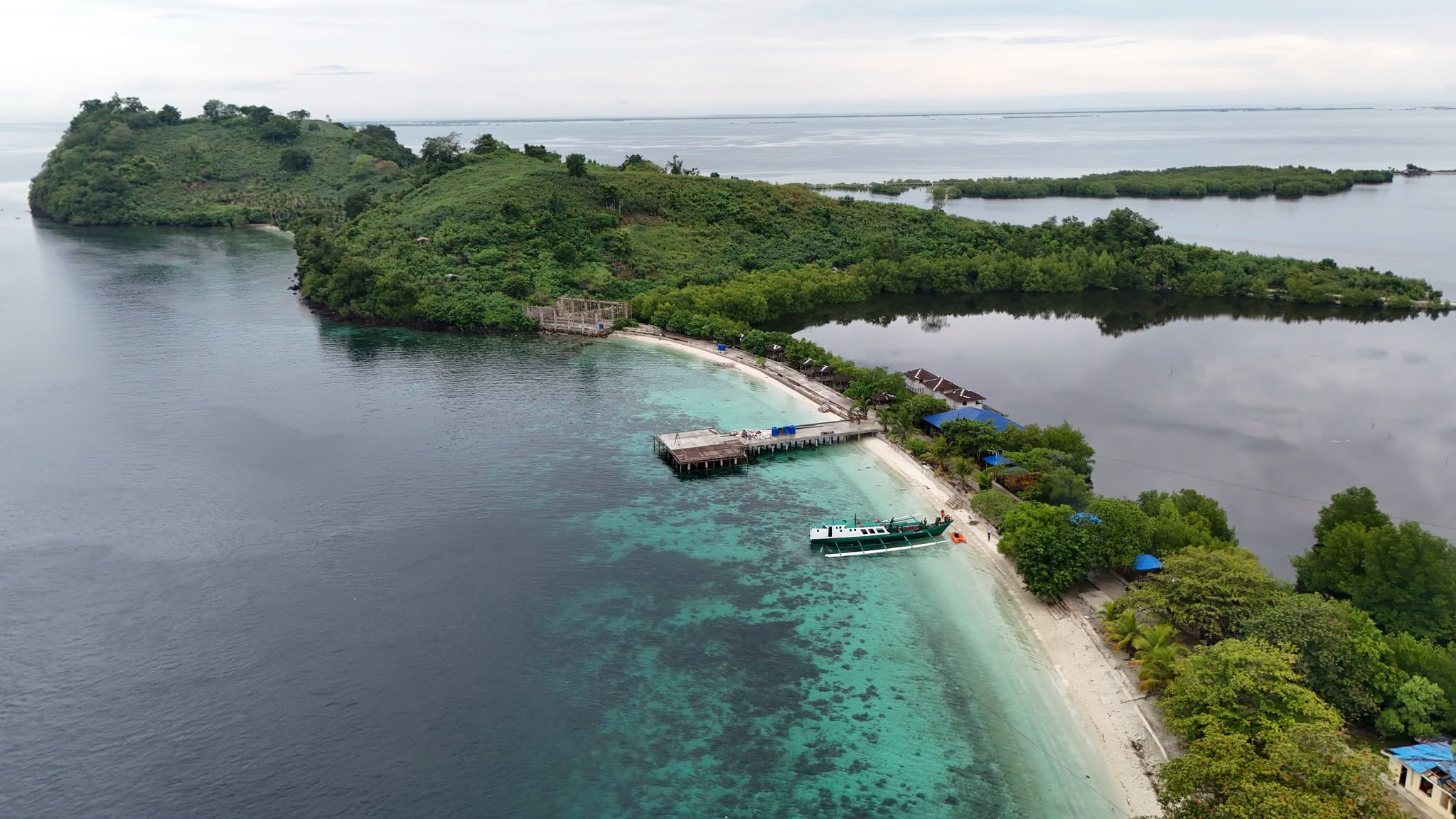
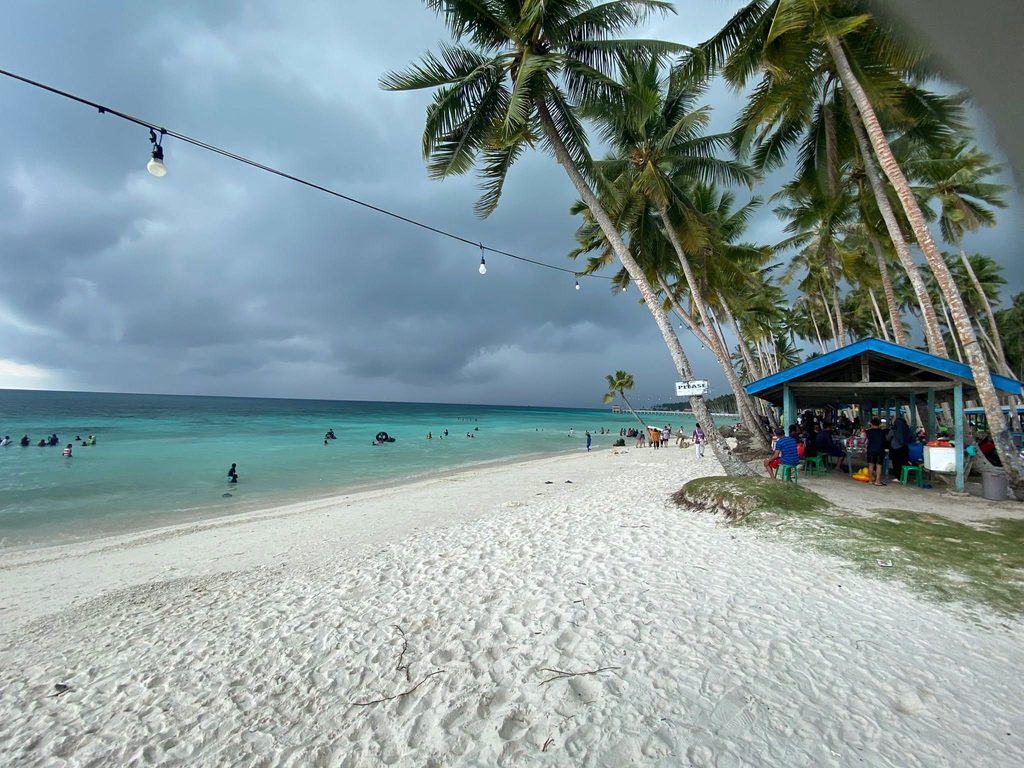
Their cultural heritage, distinct local traditions, coastal landscapes, and natural attractions offer opportunities for tourism experiences that go beyond conventional sightseeing. Properly developed, these assets could support community-based tourism, create livelihood opportunities, generate employment, and provide additional markets for local products and services.
However, translating tourism potential into tangible benefits will require more than promotional campaigns and official visits.
Sustained coordination among the national government, local government units, tourism stakeholders, communities, and security forces will be essential. Equally important are investments in tourism infrastructure, transportation connectivity, visitor facilities, local enterprise development, environmental protection, and community participation.
The involvement of local communities will be particularly important in ensuring that tourism development respects cultural identities, protects natural resources, and distributes economic benefits beyond major commercial centers.
The initiative also presents an opportunity to challenge outdated narratives about Basilan and Sulu by allowing visitors to experience the provinces through their people, culture, and everyday community life rather than through longstanding stereotypes.
Rebuilding confidence through sustained peace
The DOT’s initiative reflects a growing recognition that peace and security are not only public safety concerns but also essential foundations for economic recovery and development.
For Basilan and Sulu, the challenge now is to sustain the improvements that have made tourism promotion increasingly possible while ensuring that the benefits reach ordinary residents.
A more favorable security environment can open doors, but lasting tourism development will depend on consistent governance, responsible investment, community ownership, and the preservation of the islands’ cultural and environmental assets.
The proposed initiative is therefore more than an attempt to attract visitors. It is also an effort to rebuild public confidence, recognize the progress of local communities, and create new economic possibilities for provinces whose identities have too often been defined by their troubled past.
As Basilan and Sulu seek a stronger place in Mindanao’s tourism landscape, their greatest opportunity may lie in allowing the rest of the country to see what their residents have long wanted others to recognize: that these islands are not defined solely by their history of conflict, but also by their culture, hospitality, natural wealth, and aspirations for lasting peace.