
TUBAJON, DINAGAT ISLANDS — A wildfire reportedly continued burning in the mountainous area of Sitio Tabok, Barangay Imelda, Tubajon, Dinagat Islands, raising fresh concerns over the worsening effects of prolonged dry conditions, extreme heat and drought on the province’s forests and critical water sources.
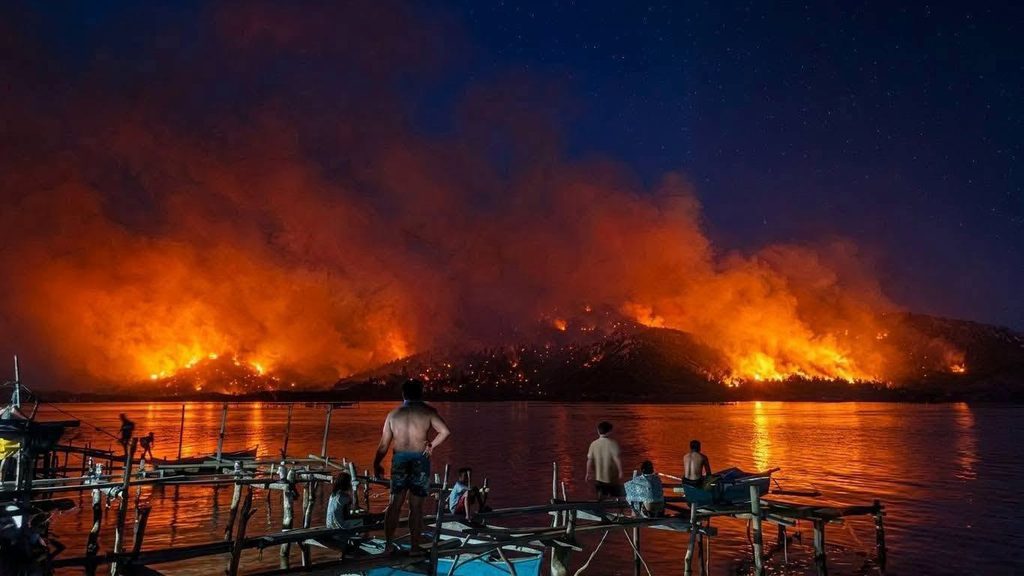
The blaze was reported to have broken out in the mountain area yesterday and was still burning as of last night, according to residents who monitored the situation from their community.
Residents expressed concern that the fire could spread deeper into the upland area and potentially reach or damage the watershed serving communities in the vicinity.
The incident comes as parts of the country, including areas experiencing prolonged dry weather, face heightened wildfire risks brought about by hot and dry conditions. In Dinagat Islands, the combination of limited rainfall, drying vegetation and extreme heat can leave forests and grass-covered areas increasingly vulnerable to fire.
A Facebook post by Kheam Jhay Lulab was among the early public reports about the Tubajon wildfire. Residents reportedly observed the flames continuing to spread through the mountainous terrain even into the evening.
Theia Eve Ebale Martinez, another resident who uploaded a photograph of the incident, captured an image showing flames burning across the mountains from their community.
The visible fire prompted concern among residents not only because of the immediate threat to vegetation and surrounding areas, but also because of the possible impact on the local watershed.
Watershed at Risk
Residents consider the watershed particularly important because it serves as a source of water for the community. Any significant damage to forest vegetation within a watershed can raise longer-term concerns over the area’s ability to retain water, particularly during periods of drought and limited rainfall.
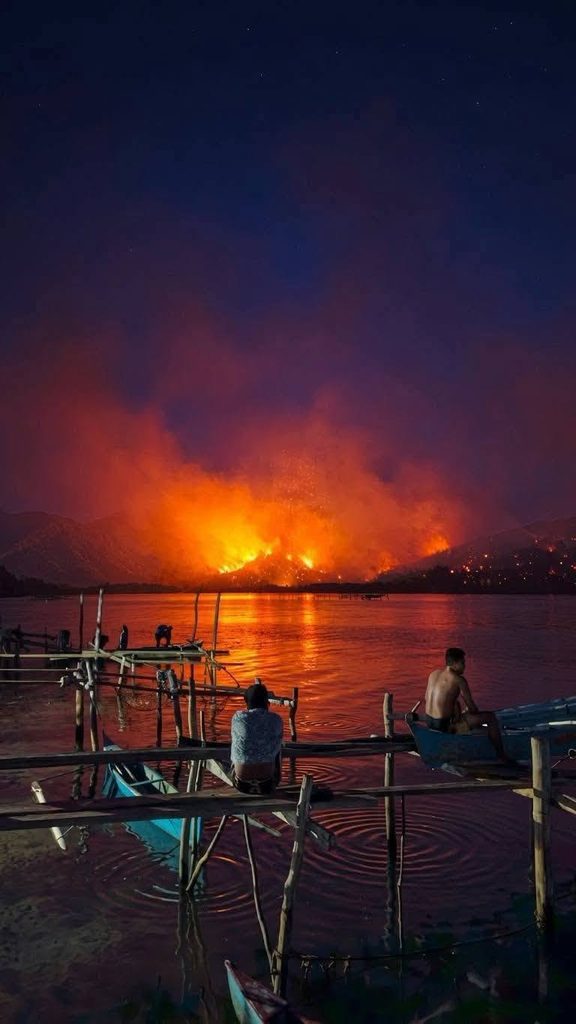
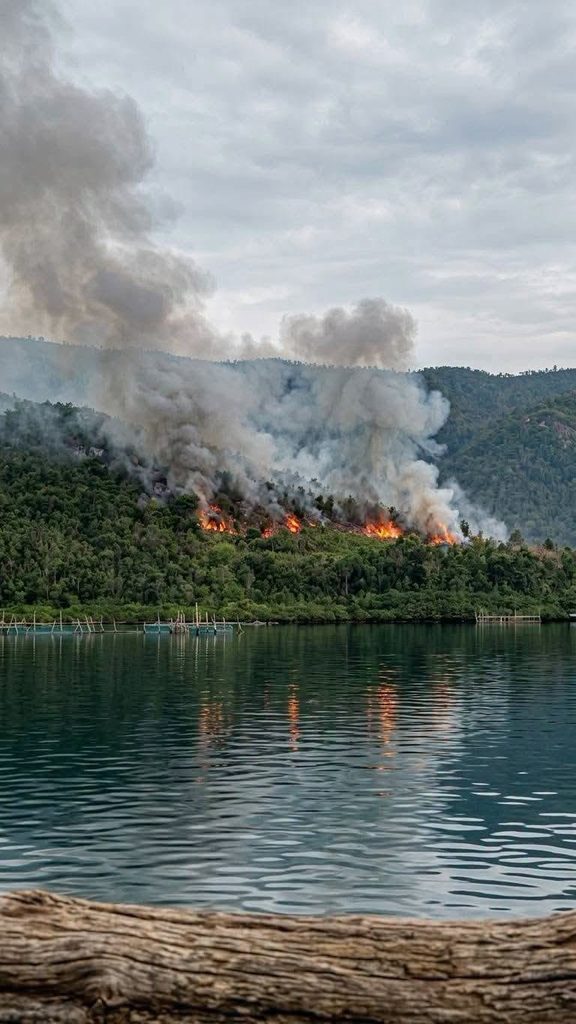
The possibility of a wildfire reaching larger portions of the watershed has therefore become a major concern among residents as the blaze continues to burn.
For communities already dealing with dry conditions, the loss of vegetation could compound existing water-related problems. Forested upland areas play an important role in regulating water runoff and helping maintain water availability, making the protection of watersheds particularly critical during prolonged dry periods.
However, there has been no official confirmation that the Tubajon fire has already damaged the watershed.
Cause and Extent Still Unconfirmed
As of publication, authorities had yet to release an official report establishing the cause of the fire, the total area affected, the current status of the blaze or the extent of any damage to vegetation and watershed areas.
The Bureau of Fire Protection (BFP) in Dinagat Islands and other concerned government agencies are expected to provide official information regarding the incident and any response or suppression operations conducted in the area.
The cause of the fire also remains undetermined. While the wildfire occurred amid hot and dry conditions, there is currently no official basis to conclude that drought or extreme heat directly caused the blaze.
Authorities would need to establish the circumstances surrounding its ignition and spread before determining the cause.
Drought Raises Fire Concerns
The Tubajon incident highlights the heightened vulnerability of forest and upland communities when prolonged dry conditions leave vegetation more susceptible to ignition.
During periods of drought and extreme heat, grasses, leaves, fallen branches and other vegetation can lose moisture and become highly combustible. Once a fire starts, dry vegetation can allow flames to spread rapidly, particularly across steep or difficult-to-access mountainous terrain.
This makes early detection and rapid suppression particularly important in remote areas such as the mountains of Tubajon.
The situation also underscores the importance of protecting watersheds during periods of extreme dryness. A wildfire that spreads across a watershed can destroy vegetation that helps stabilize soil and regulate water movement, potentially increasing environmental risks even after the flames have been extinguished.
For residents of Sitio Tabok and surrounding communities, the immediate priority remains containing the fire before it spreads farther into the mountains.
Residents are also awaiting official updates from authorities on whether firefighting teams have been deployed, how extensive the affected area is, and whether the watershed itself has sustained any damage.
Until an official assessment is released, the full environmental impact of the Tubajon wildfire remains unclear.
What is already evident, however, is the growing pressure that prolonged heat and dry conditions can place on Dinagat Islands’ forests, watersheds and communities—turning even a single mountain fire into a potential threat to both the environment and local water security.