
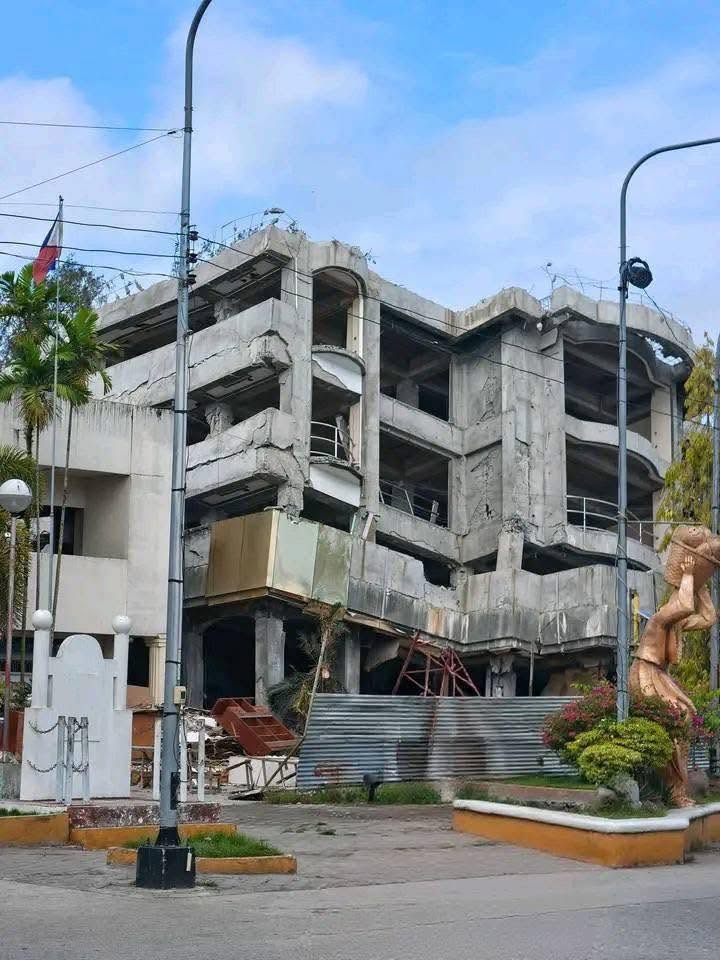
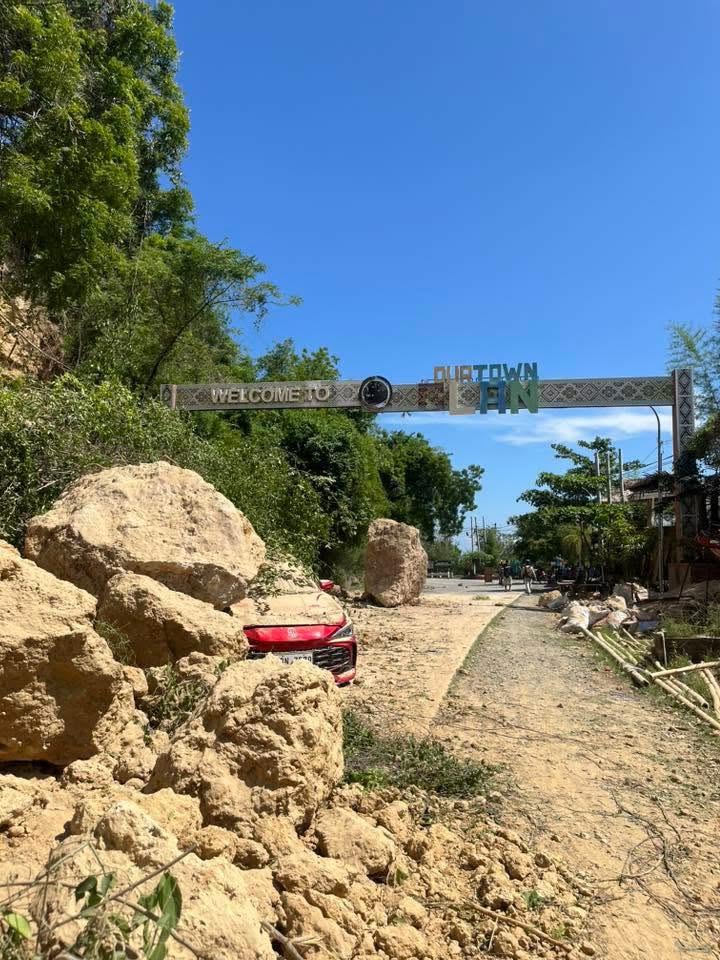
GLAN, Sarangani Province — The municipality of Glan has been placed under a State of Calamity following the devastation caused by the magnitude 7.8 earthquake that struck parts of Mindanao on June 8, leaving critical infrastructure damaged, communities isolated, and thousands of residents in urgent need of assistance.
The declaration was approved through Resolution No. 24-0809, Series of 2026, during the fourth special session of the Sangguniang Bayan led by Municipal Vice Mayor Victor James Yap Jr. The move came after barangays across the municipality submitted similar declarations due to the widespread destruction brought by the powerful earthquake.
Local authorities said the declaration would allow the immediate utilization of the Local Disaster Risk Reduction and Management Fund to provide emergency assistance and accelerate response operations for affected residents.
Reports from the Municipal Disaster Risk Reduction and Management Office (MDRRMO) revealed extensive damage to infrastructure, private properties, and sources of livelihood. The earthquake also reportedly claimed lives, further worsening the humanitarian situation in the municipality.
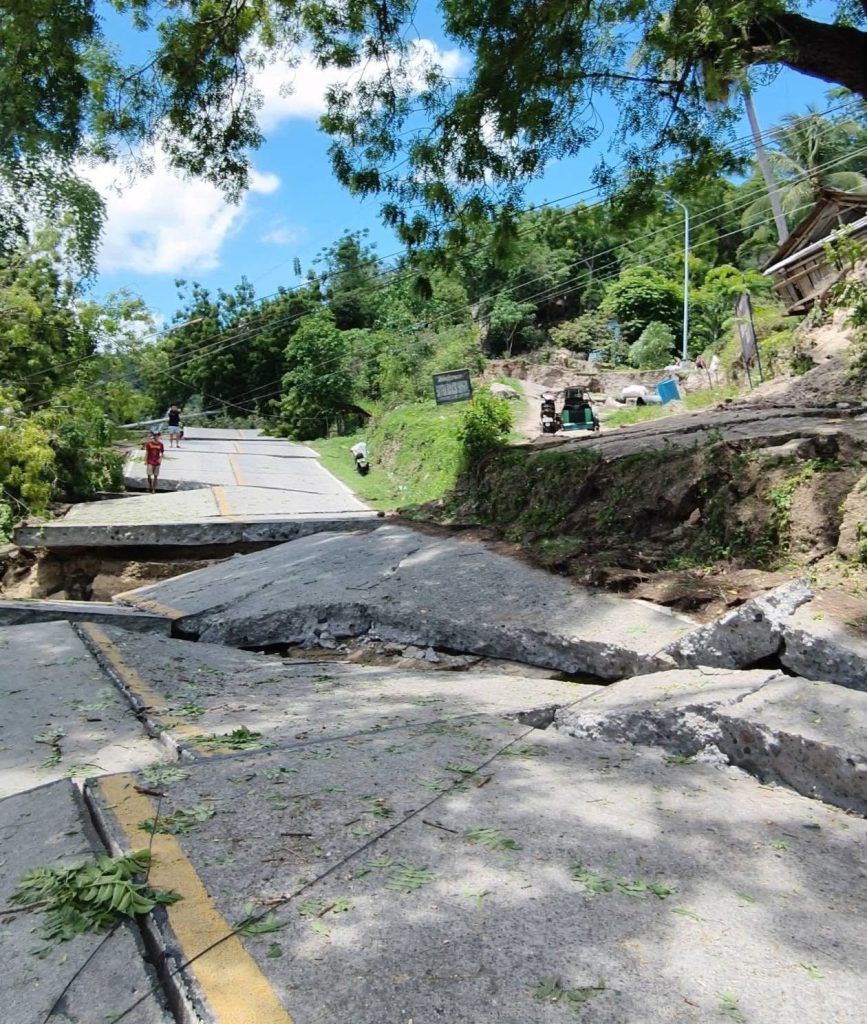
Adding to the crisis is the severe disruption of transportation routes leading to Glan. Authorities confirmed that portions of the Sarangani-Davao del Sur Coastal Road, particularly in Barangay Kapatan, sustained major damage, making land travel to and from the municipality nearly impossible.
As a result, residents, travelers, and emergency responders have been forced to rely on boats and other alternative means of transportation to reach the town.
According to MDRRMO personnel, major choke points were recorded in Barangays Sapu and Kapatan, where damaged roads and compromised structures have rendered sections of the route impassable.
Eyewitness accounts described the difficult journey into Glan. Travelers coming from General Santos City are required to cross rivers using small motorized boats before transferring to motorcycles or tricycles to continue their trip. In some areas, commuters are forced to walk through heavily damaged road sections before securing another ride to reach the town proper.
The transportation crisis has further complicated the delivery of humanitarian assistance and essential supplies to affected communities.
Beyond damaged roads, residents are also grappling with prolonged power outages, limited access to potable water, and the loss of telecommunications services in many parts of Glan and neighboring Malapatan.
The communication blackout has made it difficult for families to contact relatives, report emergencies, and coordinate relief efforts, raising concerns among local officials and humanitarian responders.
Despite these challenges, government agencies have begun delivering emergency aid to isolated communities.
The Department of Social Welfare and Development (DSWD) Field Office XII, in partnership with the Philippine Air Force (PAF), launched aerial relief operations to transport food assistance directly to affected residents.
More than 200 Family Food Packs were airlifted from General Santos City and delivered to Glan Central Elementary School, which has been designated as a relief drop-off point. Additional assistance, including another 200 Family Food Packs and 157 emergency tents, is also being transported through coordination with the Philippine Coast Guard.
Assistant Regional Director for Operations Bonifacio V. Selma Jr. led the relief mission, emphasizing the need to ensure that assistance reaches families cut off by damaged transportation networks.
Local officials continue to conduct rapid damage assessments while engineering teams carry out clearing operations in an effort to restore access to affected areas.
However, residents and local leaders stressed that the scale of destruction requires sustained support from national government agencies, humanitarian organizations, private groups, and the public.
With roads cut off, utilities disrupted, and many families struggling to access basic necessities, calls for additional food, clean water, medicines, temporary shelter materials, and communication support continue to grow.
As emergency responders race against time to reach isolated communities, Glan remains one of the hardest-hit areas in the aftermath of the powerful earthquake, underscoring the urgent need for expanded relief and recovery efforts in southern Mindanao.