
DAVAO CITY — The city is set to mark four years since it was declared insurgency-free, a milestone that local leaders say reflects sustained collaboration among security forces, government agencies, Indigenous Peoples (IP) communities, and residents in building lasting peace and inclusive development.
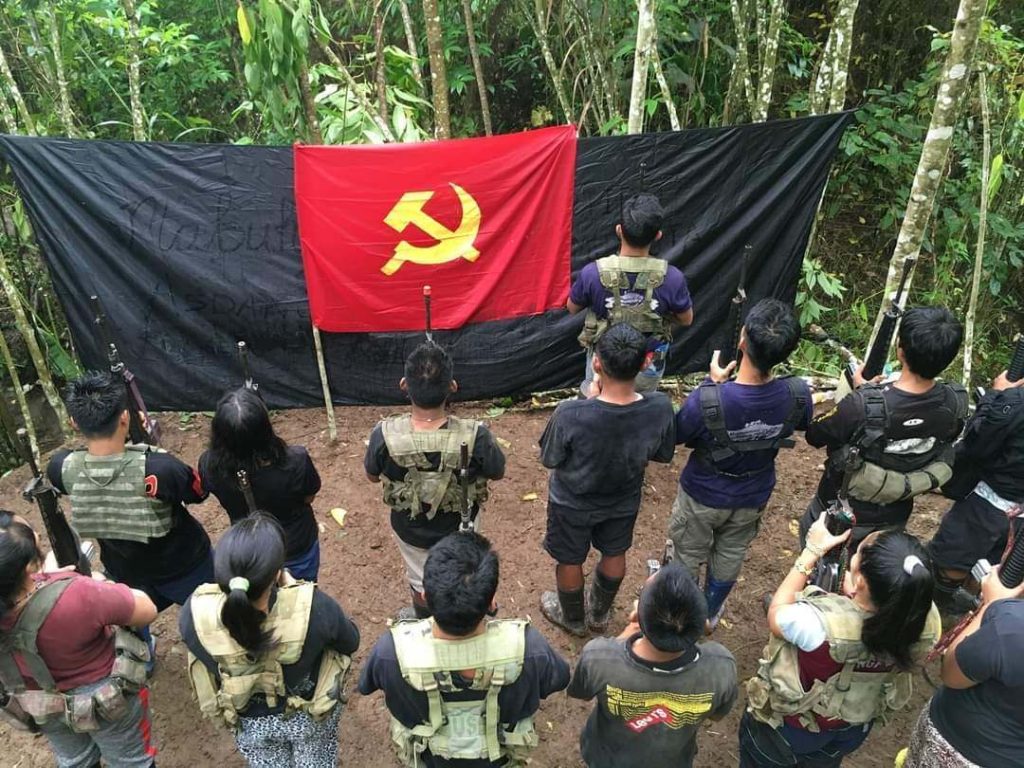
On March 24, 2022, Davao City achieved what officials described as a historic breakthrough when authorities formally declared the city insurgency-free, ending decades of communist insurgency that once affected several of its remote communities.
The declaration was the culmination of years of coordinated efforts among the Armed Forces of the Philippines (AFP), the Philippine National Police (PNP), the city government, and community stakeholders who worked together to address both security concerns and the socio-economic conditions that fueled unrest.
From Conflict Zone to Development Hub
One of the most significant transformations occurred in Paquibato District, a geographically isolated and disadvantaged area (GIDA) that was once considered a stronghold of Communist Terrorist Groups (CTGs).
For years, the presence of insurgents in the district disrupted the delivery of essential services, limited livelihood opportunities, and hindered development initiatives.
But the shift toward peace has opened new doors for residents, according to Peace 911, the city government’s peace-building program tasked with addressing insurgency through community engagement and development.
“The declaration of Davao City as insurgency-free brought better opportunities for students and professionals to pursue their education and career with confidence, for farmers to cultivate their lands with renewed hope, and for families to experience improved access to services, infrastructure, and livelihood opportunities,” Atty. Jonah Margaret Presto, head of Peace 911, said in an interview with the City Information Office.
Programs Reach Former Conflict Areas
In the four years since the declaration, the city government has rolled out a range of programs aimed at improving livelihoods, strengthening governance, and expanding access to education in communities once affected by insurgency.
Among the key initiatives is the establishment of the University of Southeastern Philippines–Malabog Extension Campus (USeP-MEC) in Paquibato, providing higher education opportunities to students from remote barangays who previously had limited access to universities.
Another milestone is the creation of the Bahayahay Learning and Workshop Center for IP Women, which provides Indigenous women with training and skills development opportunities aimed at empowering them economically and socially.
Peace 911 has also spearheaded capacity-building programs for community members, including training sessions on livelihood development, financial literacy, and local governance.
To further support economic recovery in former conflict zones, the city government has distributed livelihood assistance materials, including abaca plantlets and agricultural seedlings, helping farmers restart and diversify their sources of income.
Reintegration and Land Concerns Addressed
Beyond development programs, Peace 911 has also played a key role in facilitating the amnesty application of former rebels, assisting them in reintegrating into society and returning to peaceful civilian life.
The initiative has also helped resolve long-standing land-related concerns in Paquibato, including issues surrounding land ownership and the protection of ancestral domains of Indigenous Peoples.
Officials say these efforts are crucial to ensuring that peace remains sustainable by addressing historical grievances and strengthening trust between communities and government institutions.
Sustaining the Culture of Peace
As the city prepares to commemorate the fourth anniversary of its insurgency-free status, officials are calling on residents to remain vigilant and actively participate in sustaining peace and security.
Presto emphasized the importance of continuing community cooperation with local authorities and security forces.
“Ipadayon nato ang pag-practice sa atoang culture of security ug ang atoang cooperation with the city government and security cluster in maintaining the peace and order of our city,” she said.
(Let us continue to practice the culture of security and work closely with the city government and our security cluster in maintaining the peace and order of our city.)
Continuing Development in GIDAs
The City Government of Davao, through Peace 911, said it will continue expanding programs and services in geographically isolated and disadvantaged areas to ensure that development reaches even the most remote communities.
Local officials believe that strengthening education, livelihoods, infrastructure, and governance in these areas will not only uplift communities but also prevent the resurgence of insurgency.
Four years after the landmark declaration, Davao City now looks ahead with renewed confidence—aiming to transform former conflict zones into thriving communities while preserving the hard-earned peace that residents say has changed their lives.