
There is strength in numbers—and in unity lies transformation. Across the country, more farmers are proving that when they come together, share knowledge, and embrace organic farming, they can change not only their livelihoods but also the health of their families, their communities, and the land they cultivate.
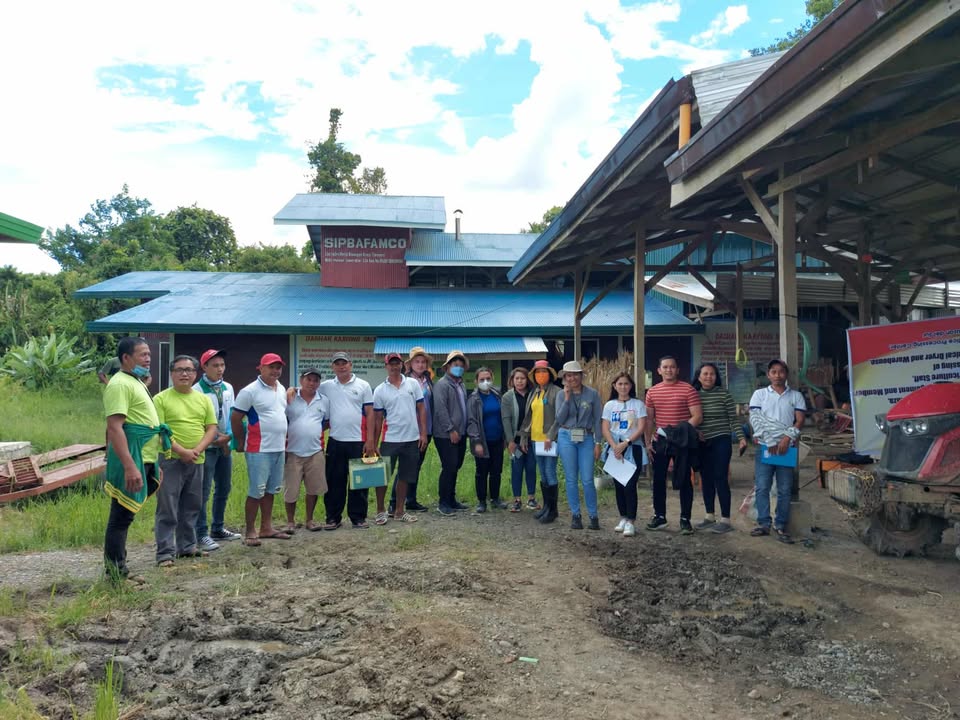
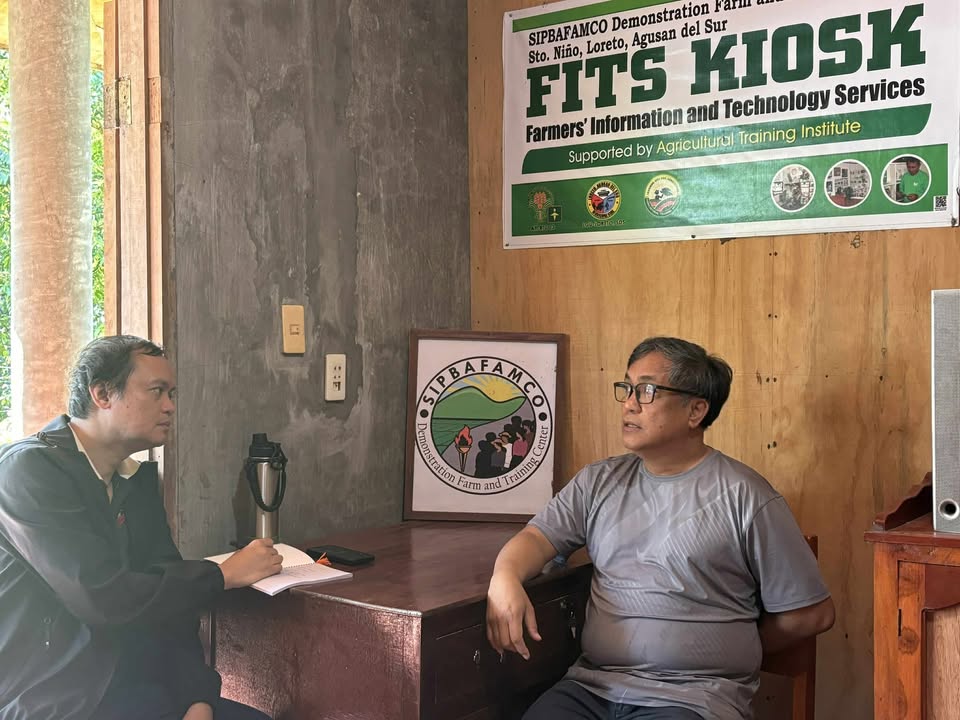
In Loreto, Agusan del Sur, one cooperative stands as a beacon of this transformation. The San Isidro Parish Binucayan Area Farmers Multi-Purpose Cooperative (SIPBAFAMCO) has shown how collective action, combined with organic practices, can turn challenges into opportunities and inspire a new generation of farmers to embrace sustainable agriculture.
From Small Beginnings to a Thriving Cooperative
What started as a small parish-based farmers’ group has grown into a strong cooperative with 235 active members. SIPBAFAMCO now operates dedicated areas for rice, coconut, corn, and poultry, and manages offices, a training center, and a trading post to support its members.
Guided by Father Anthony “Bong” Salas, SVD, and building on the foundations laid by his predecessors in the 1990s, SIPBAFAMCO has remained rooted in its mission: promoting sustainable organic agriculture. Father Bong’s passion for farming and his deep commitment to social action have been instrumental in guiding farmers through the shift from chemical-dependent conventional farming to healthier and more sustainable practices.
Leading Caraga’s Organic Certification Efforts
SIPBAFAMCO is not just producing rice—it is setting standards for organic certification in the region. Recognized as a Learning Site for Agriculture (LSA) by the Agricultural Training Institute (ATI), the cooperative has actively trained members through the Participatory Guarantee System (PGS). In 2024, it achieved a historic milestone: becoming Caraga’s first accredited Organic Certifying Body under the Bureau of Agriculture and Fisheries Standards (BAFS).
This accreditation allows SIPBAFAMCO to inspect, certify, and guarantee that organic products meet the highest standards. Unlike costly third-party certifications, the PGS empowers local farmers by keeping certification accessible, community-driven, and farmer-led.
“Transitioning was never easy,” shared farmer-member Nory Labaniego. “Our first harvest after shifting to organic farming was low because the soil needed time to recover. But once the conversion period passed, our yields improved, and our income grew. It was worth the struggle.”
Community Partnerships and Support
SIPBAFAMCO’s journey is made possible through strong partnerships. The Department of Agriculture, ATI, and BAFS supported the cooperative with training, audits, and technical assistance to ensure compliance with organic standards. Local government support has also been crucial—LGU-Loreto recently purchased 60 tons of certified organic red and black rice from the cooperative for use in feeding programs and calamity response.
“This purchase gave us the capital we needed,” said General Manager Nerlita Caseria. “If the LGU continues to prioritize sourcing from us, it will be a lifeline for nearly 150 rice farmers who depend on the cooperative.”
The Benefits of Organic Rice
SIPBAFAMCO’s organic red and black rice are more than just a source of livelihood—they are a source of health and well-being for consumers. Unlike conventionally grown rice, organic rice is cultivated without synthetic fertilizers or pesticides, making it safer for families and better for the environment.
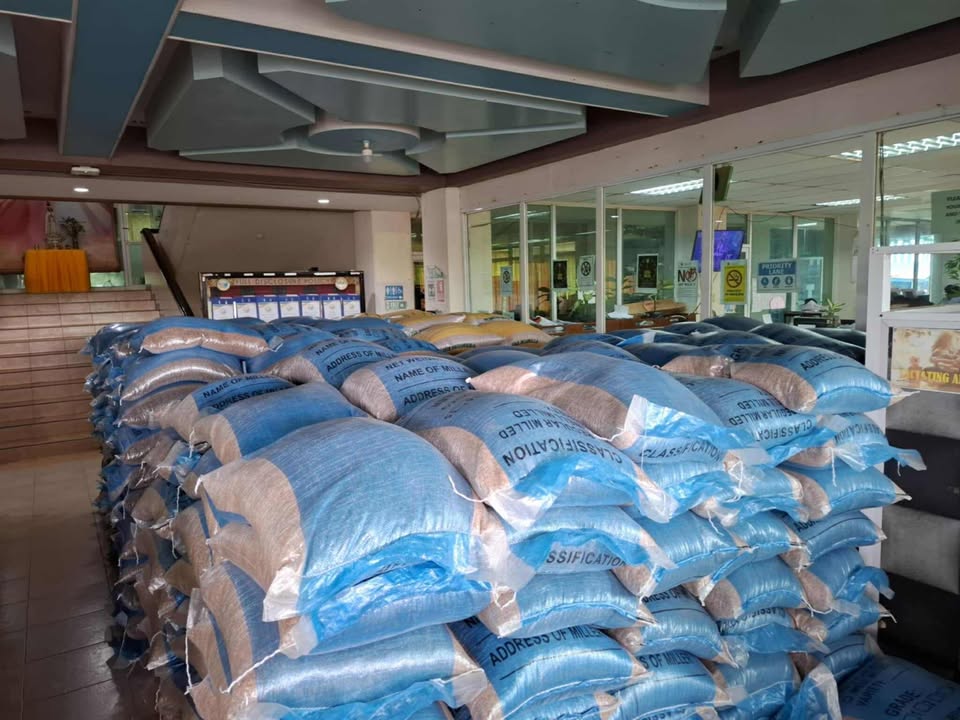
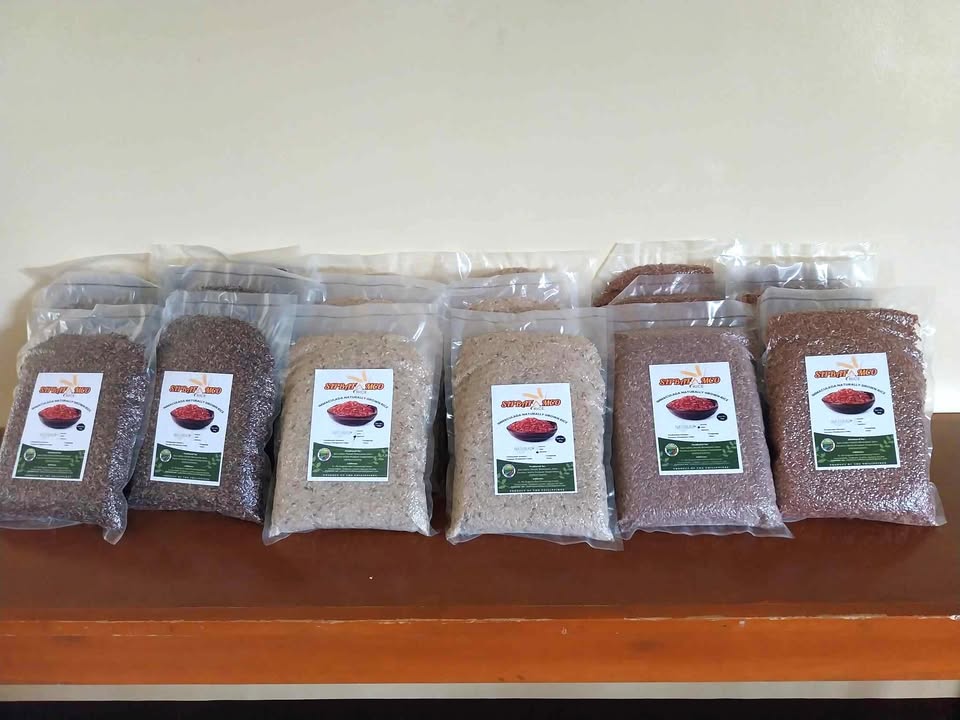
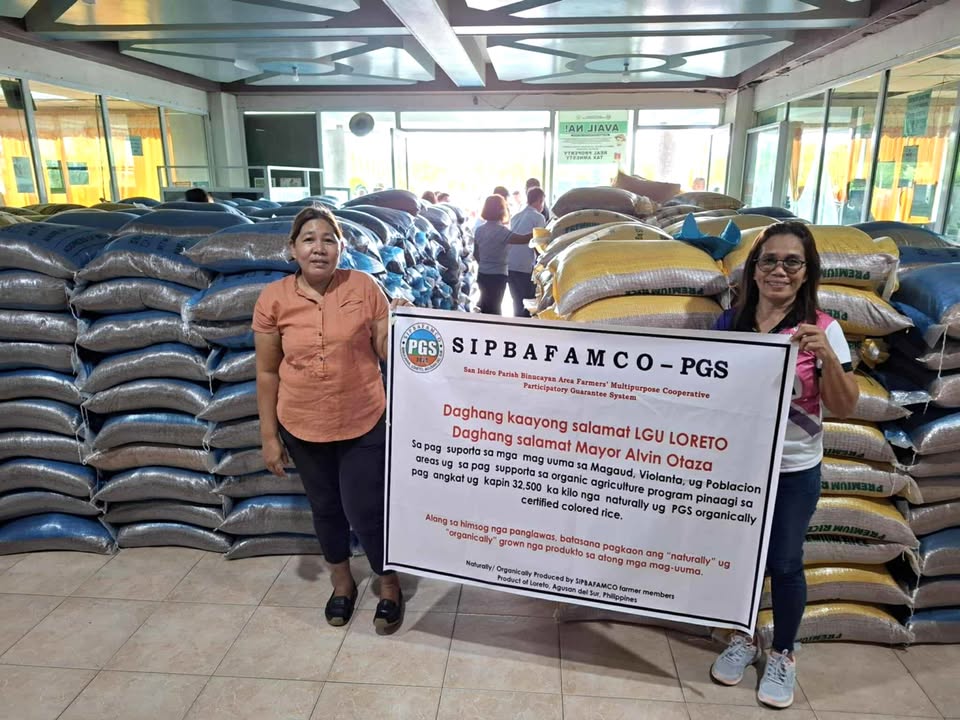
Organic rice varieties such as red and black rice are naturally rich in antioxidants, fiber, vitamins, and minerals. These nutrients help strengthen the immune system, promote heart health, regulate digestion, and even reduce the risk of chronic diseases. For families, choosing organic rice means putting wholesome, chemical-free food on the table—a true investment in long-term health.
Protecting the Environment, Sustaining the Future
Beyond health and income, organic farming also protects the very resources on which farming depends. By avoiding synthetic chemicals, SIPBAFAMCO’s farmers safeguard soil fertility and water quality, ensuring that future generations will inherit land that can still sustain life.
Organic methods promote biodiversity by encouraging the growth of beneficial insects, birds, and microorganisms that help keep farms naturally balanced. Healthier soils also capture more carbon, making organic farming a small but meaningful contributor to climate change mitigation.
In short, every bag of organic rice produced by the cooperative represents not only nourishment for families but also a step toward a healthier planet.
Empowering Farmers, Inspiring Change
Beyond certifications and government support, what makes SIPBAFAMCO unique is its strong sense of community and empowerment. Farmers conduct peer reviews, support each other in adopting organic methods, and ensure the integrity of their produce.
Ms. Arlyn Arnuza, the area’s agricultural technician and Organic Agriculture focal person, highlighted the farmers’ determination: “The core members showed real interest in forming a PGS group because third-party certification is too expensive. COVID-19 became a blessing in disguise because it opened opportunities for them to be trained locally.”
The results speak for themselves. SIPBAFAMCO farmers now enjoy better market prices, healthier food for their families, and a stronger sense of pride in their work. More importantly, their stories inspire other farmers to take the leap toward organic farming.
The Power of Cooperation
The cooperative model demonstrates that when farmers work together, they not only improve their own livelihoods but also uplift their communities. With access to training, markets, government programs, and financing, SIPBAFAMCO has proven that collective strength is a powerful tool for transformation.
As Father Bong often reminds members, SIPBAFAMCO’s success is not just about farming—it’s about building a sustainable future rooted in care for the land, for people, and for generations to come.
Indeed, SIPBAFAMCO’s story shows that organic farming is not just a method of cultivation—it is a movement of empowerment, resilience, and hope.
Farmers and farmers’ groups who are still hesitant to transition may find inspiration here: proof that sustainable agriculture can bring healthier harvests, stronger communities, and a greener tomorrow.
👉 SIPBAFAMCO can be reached through their official Facebook page: SIPBAFAMCO Binucayan
Contributed article by Mr. Vic Thor Palarca of ATI-CARAGA region