
Maimbung, Sulu — As government officials and distinguished guests set foot on the newly revived Astanah Darul Jambangan, they were seemingly transported back to the time of the Sultanate — a glorious era of regal authority, cultural splendor, and deep-rooted tradition in the province of Sulu.
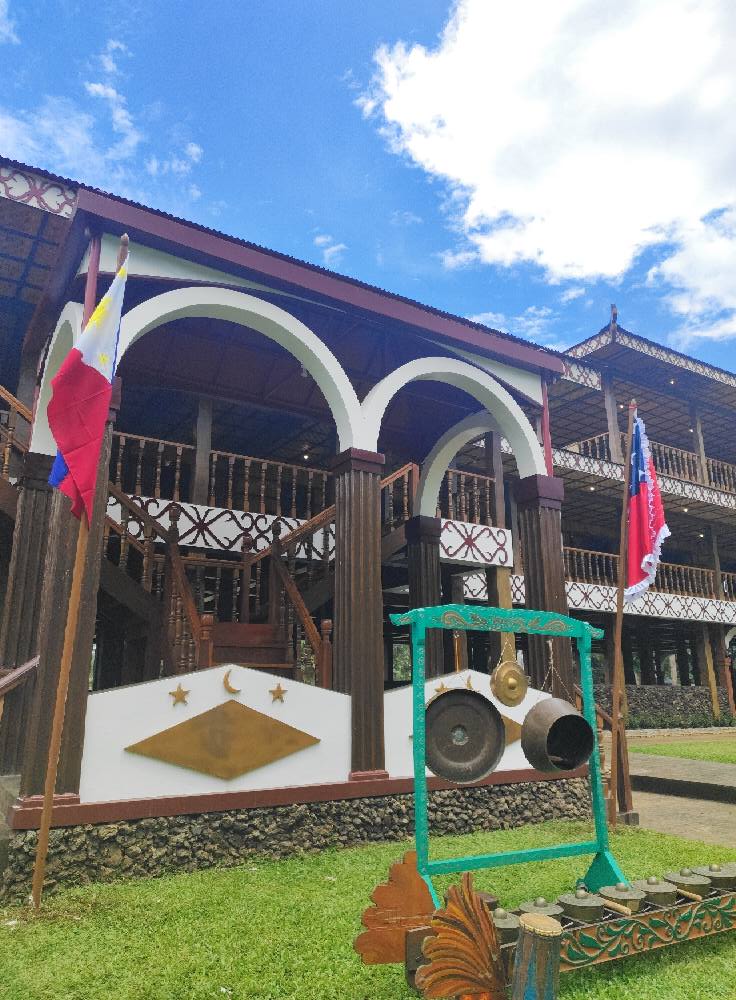
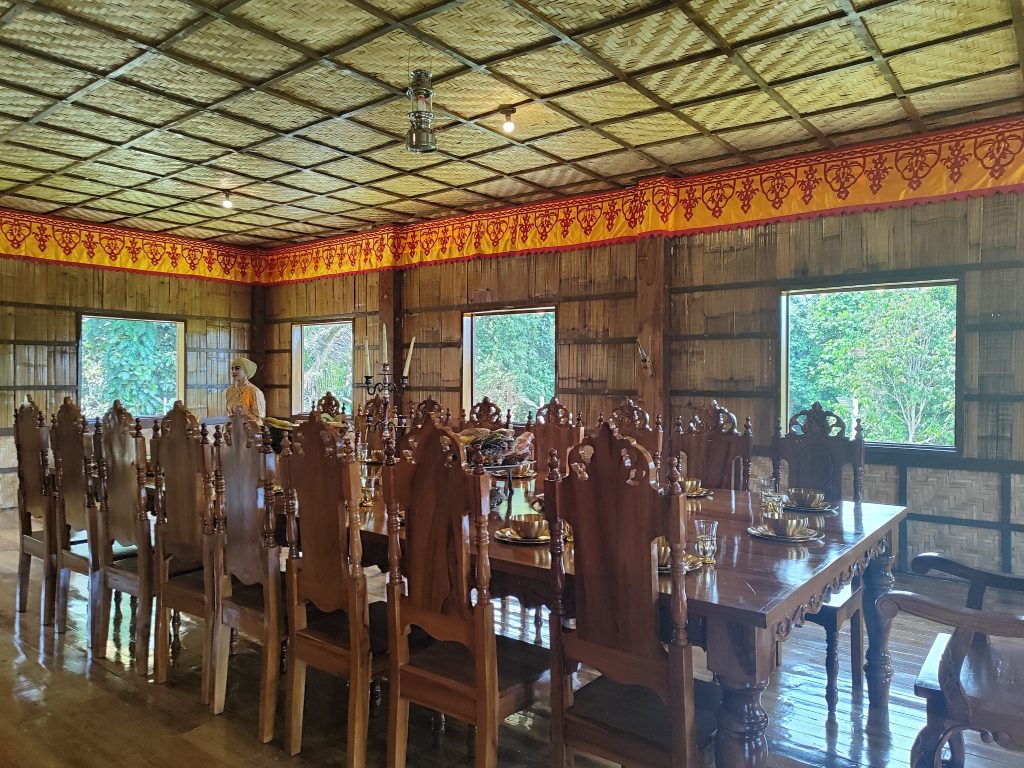
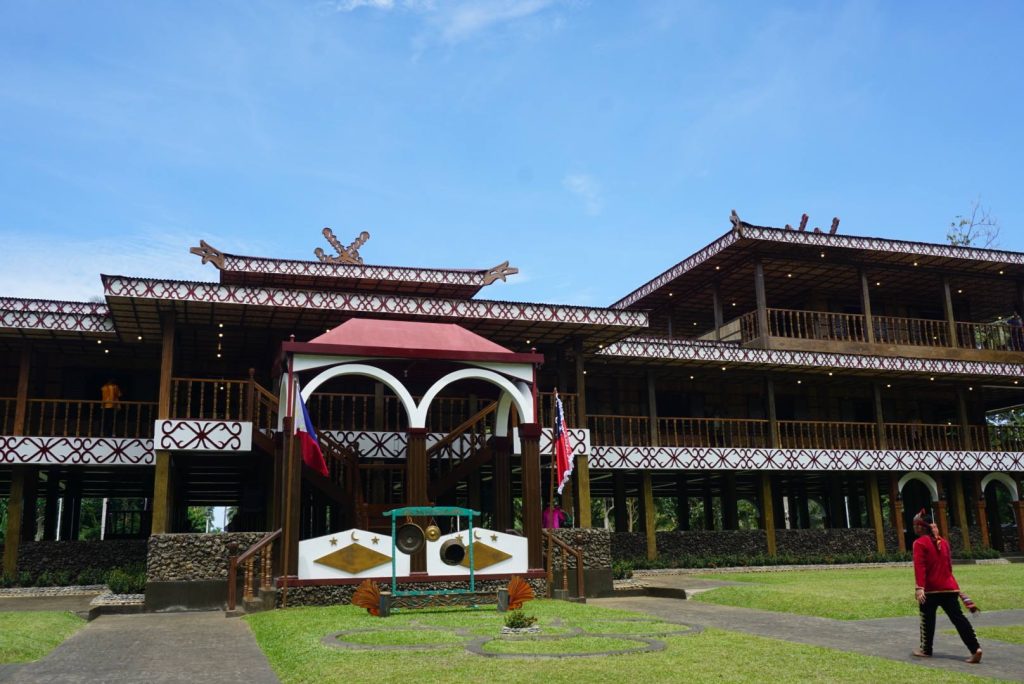
No less than Budget Secretary Amenah Pangandaman and Education Secretary Sonny Angara, joined by Sulu Governor Abdusakur M. Tan, 1st District Representative Samier Tan, and Maimbung Mayor Shihla Tan-Hayudini, led the ribbon-cutting and inauguration of the Astanah on a historic visit marked by ceremony and cultural reverence. The event was followed by a tour of the royal residence, where visitors witnessed the preserved symbols of the Sultanate’s former power and grace.
The Astanah Darul Jambangan, now a cultural and historical landmark, is more than just an architectural attraction. It is a living tribute to the Sultanate of Sulu, one of the oldest Muslim governments in Southeast Asia, which once governed vast territories and influenced regional politics, trade, and culture.
Within the Astanah are artifacts, furniture, and ceremonial items once used by the Sultan, each piece telling a story of royal leadership and Islamic heritage. For many, it represents the continued acknowledgment and respect of the Sulu Provincial Government for its royal roots — a gesture of honoring the past while charting a path for the future.
During the visit, local officials also staged a vibrant cultural presentation, giving guests a rare glimpse into the traditional customs and artistic expressions of the Tausūg people. For Secretaries Pangandaman and Angara, the experience provided not only a visual journey into the province’s heritage but also a meaningful learning opportunity on the governance and lifestyle during the height of the Sultanate.
Now open to the public, the Astanah Darul Jambangan stands as one of Sulu’s must-visit destinations — not only for its aesthetic appeal but also for the wealth of historical knowledge it offers. Tourists and history enthusiasts alike will find themselves enriched by the stories, artifacts, and cultural depth of the province.
As Sulu continues to pursue peace and development, the revival of this royal residence is a bold step in preserving identity and cultivating pride in a once-mighty kingdom that shaped much of Mindanao’s rich past.