
KIAMBA, Sarangani — In a bid to promote environmental education and biodiversity conservation, the Department of Environment and Natural Resources (DENR) Region 12, through the Community Environment and Natural Resources Office (CENRO) of Kiamba, recently spearheaded a series of experiential learning and conservation activities for students and local stakeholders in Sarangani.

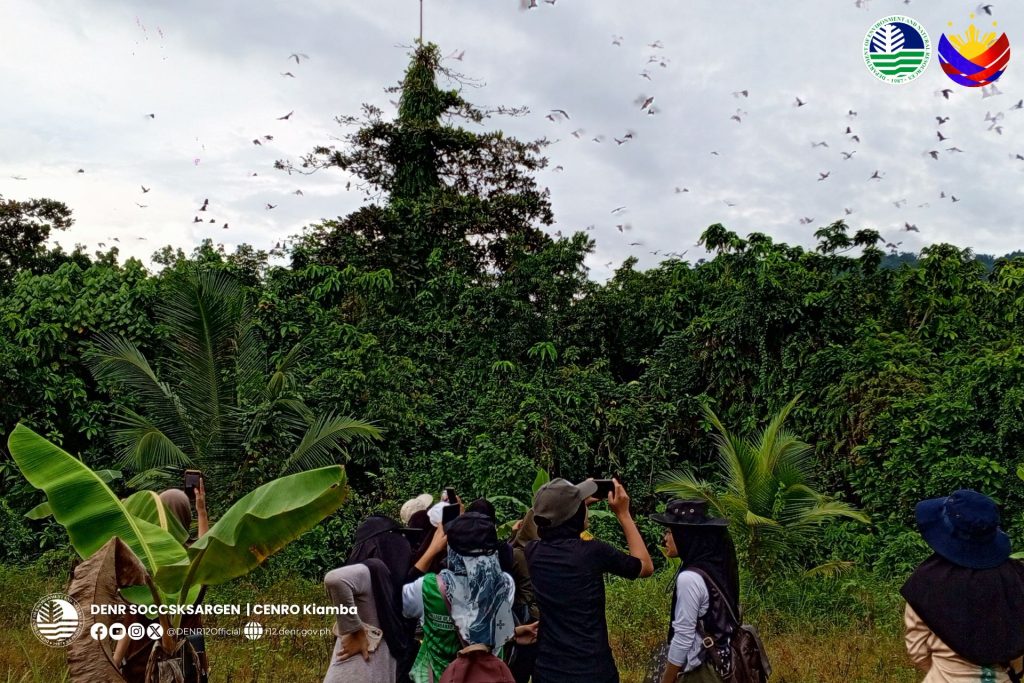
A three-day educational immersion was held from April 10 to 12 for 67 forestry students and faculty members from Mindanao State University (MSU) – Marawi. The activity aimed to deepen the students’ understanding of ecosystem management and sustainable natural resource conservation through direct field experiences.
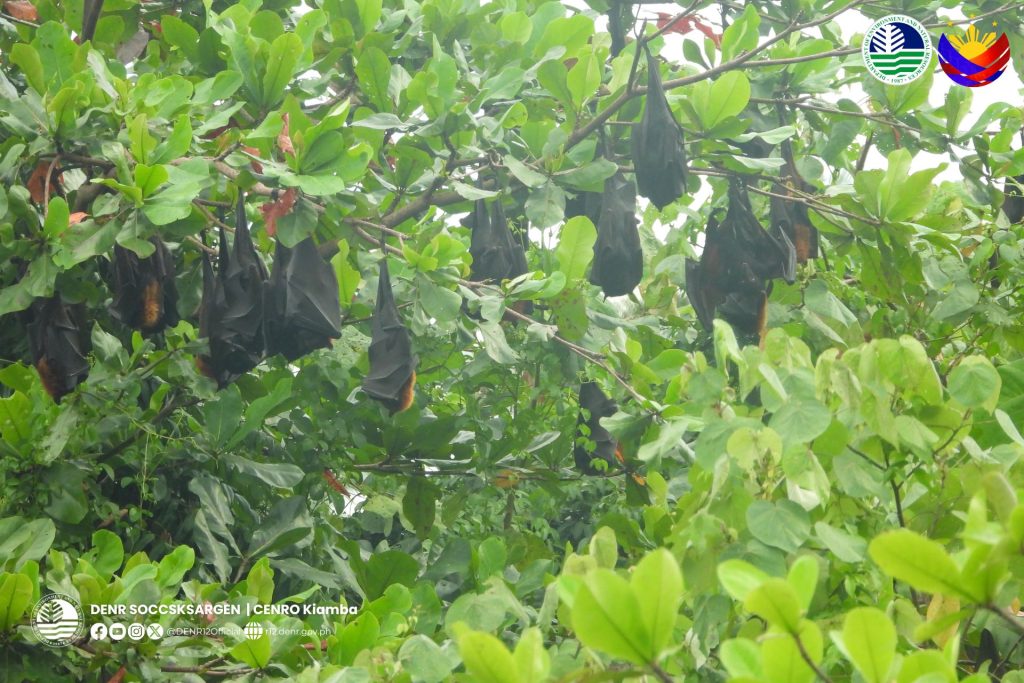
Participants visited the coastal forest of Kling, Kiamba, home to century-old trees that stand as living proof of long-term conservation and sustainable forestry practices. They also explored the Bat Sanctuary in Barangay Pinol, Maitum, where they learned about the importance of bat conservation, and the Tuka Marine Sanctuary in Kiamba, a protected area renowned for its rich marine biodiversity and coral reef conservation efforts.
One of the highlights of the program was the hands-on release of sea turtle hatchlings along the shores of Barangay Luma, offering students a tangible encounter with marine life conservation in action.
Meanwhile, coinciding with the educational tour, CENRO Kiamba also conducted a bat monitoring activity on April 11 at Barangay Pinol, Maitum, a recognized roosting site for two significant fruit bat species — the Large Flying Fox (Pteropus vampyrus) and the Island Flying Fox (Pteropus hypomelanus). Field observations estimated the local bat population at around 5,000 individuals, underscoring the area’s role as a vital habitat for these ecologically important species.
These fruit bats are essential to maintaining healthy forest ecosystems, acting as natural pollinators and seed dispersers that contribute to forest regeneration. The monitoring effort forms part of the implementation of Republic Act No. 9147, or the Wildlife Resources Conservation and Protection Act, which mandates the protection of wildlife and their habitats as critical components of ecological balance.
CENRO Kiamba emphasized that both educational outreach and conservation monitoring are integral to fostering a new generation of environmental stewards while ensuring the survival of Sarangani’s wildlife and natural resources. The office remains committed to enhancing public awareness, increasing community involvement, and advancing policies for sustainable environmental management in the province.