
DAVAO CITY, Philippines — A viral video allegedly showing a Junior High School student physically assaulting a schoolmate inside a restroom at Ateneo de Davao University (ADDU) has triggered widespread public outrage and drawn online attention to the family of Davao Oriental First District Board Member Manuel “Jun” Lepardo Jr., after netizens began identifying the alleged aggressor as his son.
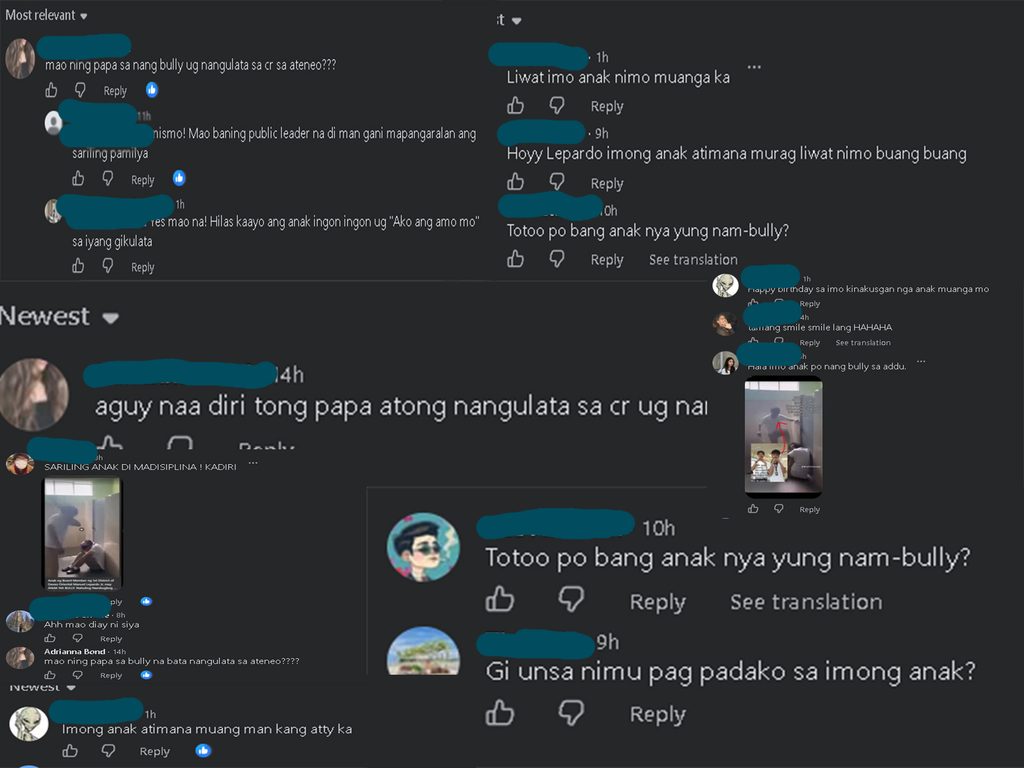


The allegations have added another dimension to the controversy, shifting public discussion beyond the reported bullying incident to questions about parental responsibility, public accountability, and the conduct expected of families connected to public service.
However, the identity of the student involved, as well as the circumstances surrounding the incident, must still be established through the ongoing investigations. The online claims identifying the student as the son of Board Member Lepardo have not been independently verified. As of this writing, no official statement or admission from the board member regarding the incident has been provided in the information available.
SPONSORED LINK: https://lightlypowerfulgourmet.com/u9i107dsea?key=63025114fa6eb96108de24ad21ec0671
The controversy stems from a video that circulated widely on social media, purportedly showing one student repeatedly assaulting another inside a school restroom at ADDU’s Junior High School campus in Matina, Davao City.
The incident reportedly happened on November 5, 2026, shortly after an earthquake drill.

The footage allegedly shows the student attacking his schoolmate, kicking him, striking him with objects reportedly including a belt and cleaning materials, and verbally insulting him. The victim appears largely defenseless in the circulating footage, raising serious concerns about the circumstances that allowed the alleged assault to take place inside school premises.
Additional accounts accompanying the video claimed that the victim was punched in different parts of the body, threatened with a lighter, and warned against reporting the incident. These allegations, however, have yet to be independently established and remain subject to investigation.
Online scrutiny and questions about public accountability
As the video gained traction, some netizens began associating the alleged aggressor with the family of Board Member Lepardo, prompting discussions about the responsibilities of parents whose children become involved in serious misconduct.

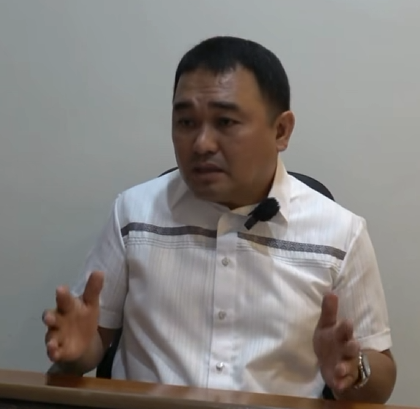
The online reaction has also brought public attention to the distinction between personal and public accountability.
While parents cannot automatically be held legally or morally responsible for every action committed by their children, the incident has understandably renewed discussions about the role of parental guidance, discipline, and the values cultivated at home.
For families connected to public office, these questions can attract greater public scrutiny because elected officials are expected to demonstrate responsibility, integrity, and respect for others in both their public and private conduct.
Nevertheless, the allegations involving the board member’s son should not be treated as established facts without proper verification. Nor should the alleged actions of a minor automatically be attributed to his parent.
Any assessment of Board Member Lepardo’s fitness for public office must be based on his own conduct, record, leadership, and response to legitimate public concerns—not solely on unverified claims or the alleged behavior of a family member.
Whether the controversy will have political implications, including its possible impact on public confidence in the board member, is ultimately a matter for voters to consider based on verified information and the official’s own actions.
Public office is a public trust, and elected officials are expected to remain accountable to the people they represent. At the same time, public scrutiny must be grounded in facts, fairness, and respect for the rights of everyone involved.
Ateneo, DepEd, and police conduct separate investigations
Meanwhile, Ateneo de Davao University has confirmed that it immediately acted upon receiving the report, prioritizing the safety and welfare of the affected student.
In its official statement, the university said it informed the parents of all children involved and referred the case to its Junior High School Child Protection Committee, which initiated an investigation and is now finalizing its findings.
The university also confirmed that the affected student has been receiving guidance and counseling support since the incident was reported.
ADDU said its investigation is being conducted in accordance with its Student Handbook, Republic Act 10627 or the Anti-Bullying Act of 2013, its Revised Implementing Rules and Regulations, and the Department of Education’s child protection policies.
The university has also formally reported the incident to DepEd and continues to coordinate with the education agency.
DepEd Davao City has initiated a separate investigation, reportedly directing the school to submit an incident report and referring the matter to its Learner Rights and Protection Division. Police authorities are likewise looking into the incident.
ADDU emphasized that students found responsible will face appropriate disciplinary measures and interventions, subject to due process and the findings of the investigation.
The university also said it is reviewing its existing child protection mechanisms and considering measures to strengthen the capacity of teachers and school personnel to identify, report, and appropriately respond to bullying incidents.
Victim’s protection must remain the priority
Beyond the public controversy and online discussions involving the alleged identity of the student, the central concern remains the welfare of the child who reportedly suffered the assault.
The victim deserves protection, appropriate psychosocial support, dignity, and a fair process through which the circumstances of the incident can be established and accountability pursued.
The case also raises broader questions about school safety and whether existing anti-bullying safeguards are sufficient to prevent violence, particularly in areas where students may be outside the immediate supervision of teachers and school personnel.
Under Republic Act 10627, schools are required to establish policies and procedures for preventing, reporting, investigating, and addressing bullying incidents. These responsibilities include protecting affected learners and ensuring appropriate interventions for students found responsible.
ADDU has appealed to the public and media organizations to refrain from circulating the names, photographs, videos, or other identifying information of the minors involved, warning that online exposure could expose them to further harassment and harm.
As the school, DepEd, and police investigations continue, the findings will be essential in determining what actually happened, establishing individual accountability, and identifying whether institutional safeguards need to be strengthened.
For now, the public must distinguish between verified developments and allegations circulating online. The investigation should be allowed to establish the facts, while those responsible, once identified through due process, must be held accountable.
Above all, the protection and dignity of the affected student must not be overshadowed by the political and social media controversy surrounding the case.