
MARAWI CITY — Another long-standing family feud, locally known as rido, was successfully resolved on Tuesday following a peace agreement forged at the Social Hall of the New Capitol in Marawi City, marking yet another milestone in Lanao del Sur’s continuing efforts to strengthen peace and social cohesion in the province.
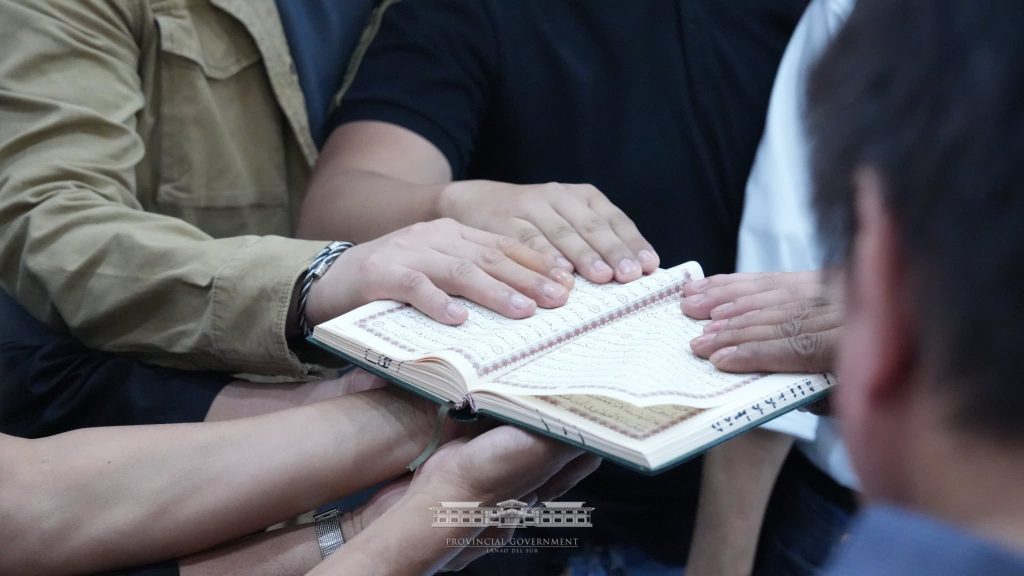
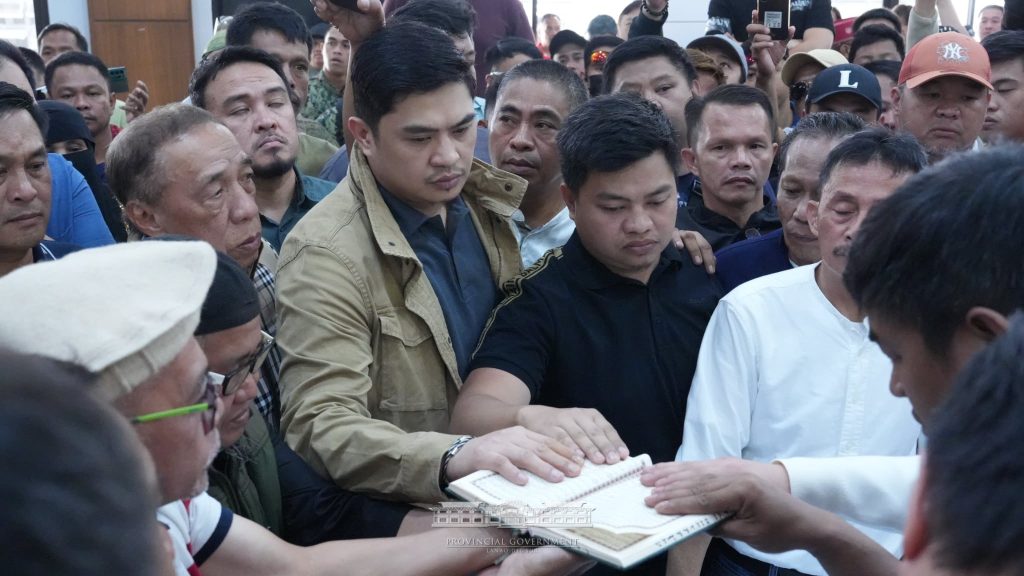
The reconciliation was made possible through the determined leadership of Vice Governor Mohammad Khalid “Mujam” Raki-in Adiong, who played a central role in facilitating dialogue and guiding both families toward a peaceful settlement. Rido-related conflicts have long posed serious challenges to peace and security in parts of Mindanao, often affecting not only the families involved but entire communities.
The agreement was the result of a collective and multi-sectoral effort, involving the Provincial Government and the Sangguniang Panlalawigan, the Council of Elders, the Provincial Ulama Council, local government officials, and security forces from the Philippine National Police (PNP) and the Armed Forces of the Philippines (AFP). Most crucially, the families at the heart of the conflict demonstrated humility, willingness to forgive, and a shared commitment to ending the cycle of violence.
Community and religious leaders underscored that resolving rido is not merely about settling personal disputes, but about restoring harmony, preventing further bloodshed, and safeguarding the welfare of future generations. They emphasized that peace achieved through dialogue and respect for cultural traditions remains one of the most effective foundations for lasting stability in the Bangsamoro region.
Also present during the event was Mamintal “Miko” Raki-in Adiong III, who expressed his full support for peace-building initiatives and highlighted the important role of the youth in sustaining reconciliation efforts and promoting a culture of understanding within communities.
Provincial officials noted that initiatives such as this go beyond symbolic gestures. Each successful rido settlement strengthens trust among families, reinforces communal ties, and contributes to a safer environment conducive to development and progress in Lanao del Sur.
The latest reconciliation stands as a powerful testament to unity and shared resolve, reflecting the province’s determination to address deep-rooted conflicts through cooperation, traditional mechanisms, and inclusive governance—proving that peace, when pursued collectively, remains within reach.